HOMEBUYERS DAMP SURVEY
We offer a special homebuyers damp survey for those buying or selling their London home; damp can easily be concealed in several ways and making such a large investment demands a professional approach when it comes to damp.
Some London property owners are unaware of the damp issues until after they have bought the property and damage repair and damp-proofing treatment can run into thousands of pounds. Prior to making any commitment, you are advised to have a leading independent London damp surveyor inspect the property to ensure it is free from damp and mould. We use state-of-the-art digital equipment to source moisture, including thermal imagery and borescope cameras, which enables the surveyor to accurately measure and assess a building. The customer receives a full report within 24 hours, along with a quote for remedial work, if needed.
Damp is Easily Concealed
It is not difficult to hide the tell-tale signs of damp, a couple of coats of paint and a skim of plaster and the average person would think all is well. With more than 40 years hands-on experience surveying London homes, we are the go-to company for damp and timber independent surveys in London, with numerous levels, as listed below..

Level 1 Damp Survey
The survey includes damp detection and inspection of all walls and floors, as well as leak inspection of drains and water pipes to locate possible sources of moisture. Designed for buyers and sellers, it determines the presence of damp, mould, and timber rot.
£199 + VAT
Level 2 Damp Survey
The surveyor also carries out a detailed dry/wet rot and woodworm inspection to identify any timber decay. If issues are found, we can recommend a trusted London damp-proofing contractor to carry out the required work.
£299 + VAT
Level 3 Damp Survey
This survey uses thermal imaging and air humidity testing to identify hidden moisture issues, along with an HD borescope camera for checking loft spaces, cavities and other hard-to-reach areas. We also carry out a full brickwork pointing inspection, DPC inspection, and a ventilation flow test on extractor fans to assess airflow and mould risk. For external parts of the property, we include 4K drone imagery to inspect the roof, chimney stack and guttering safely and in high detail. All Level 3 surveys are non-invasive and cause no damage to the property.
£399 + VAT
Plaster Analysis
This is the best way to accurately measure moisture content within walls; results come through quickly and are part of a detailed report that would include images and maybe video.
£299 + VAT
Mould Lab Swab Testing
This laboratory-grade test provides highly accurate results and is ideal for confirming the presence and severity of mould growth.
£299 + VAT
Cutting-Edge Tools Our Surveyors Use
Our surveyors are fully certified to industry standards and they use the very latest in digital equipment to aid their search for damp, mould and timber rot.
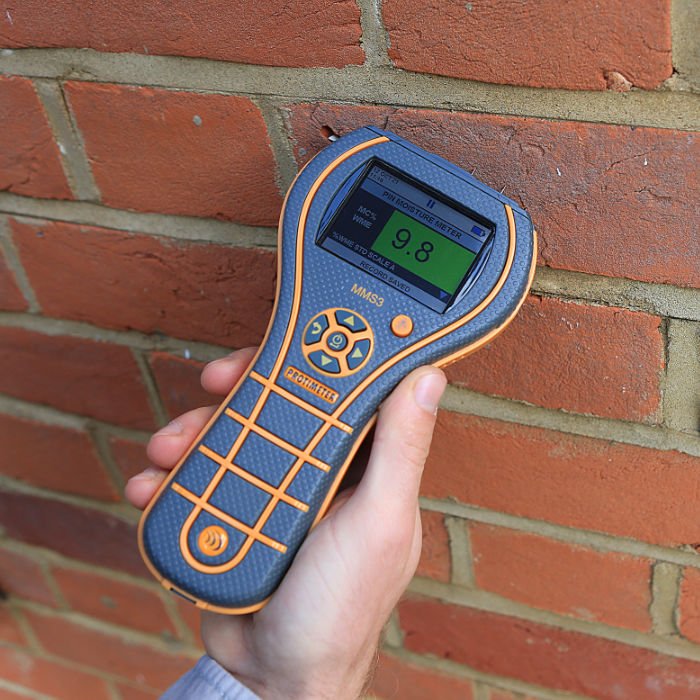
Damp Meter
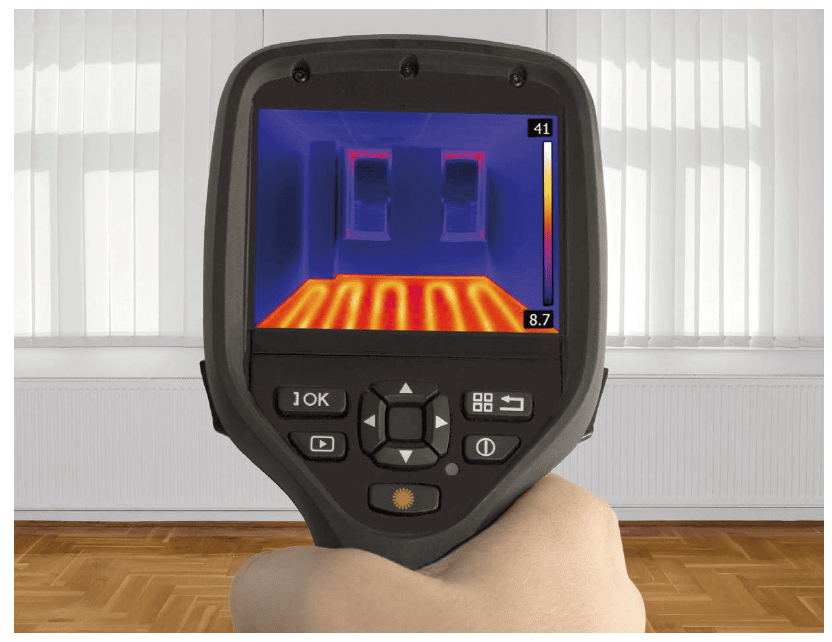
Infrared Camera
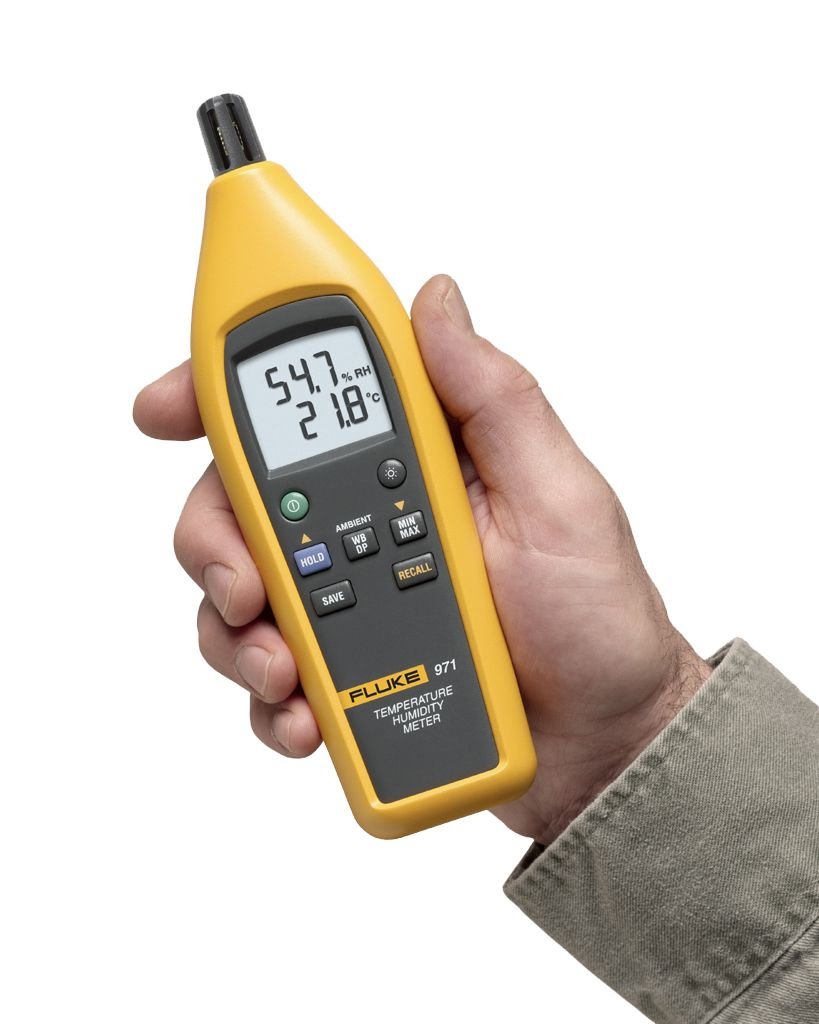
Hygrometer
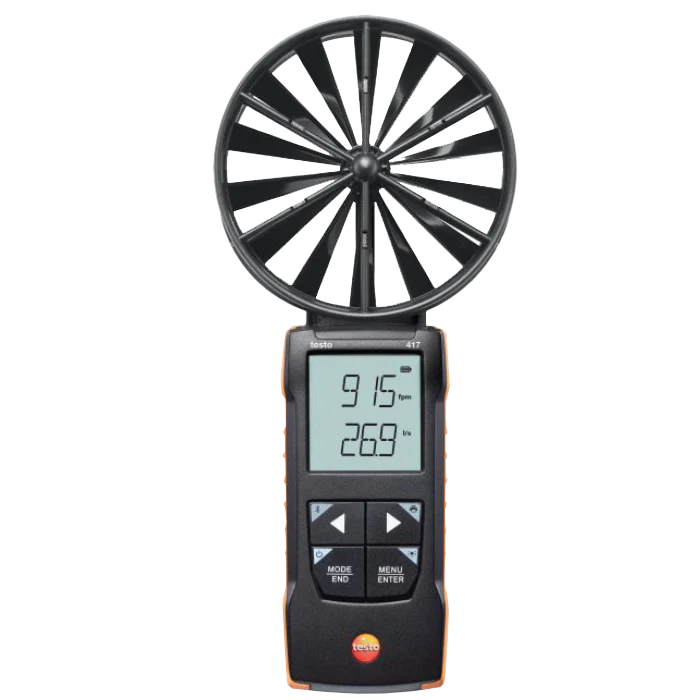
Ventilation airflow tester

Drone use
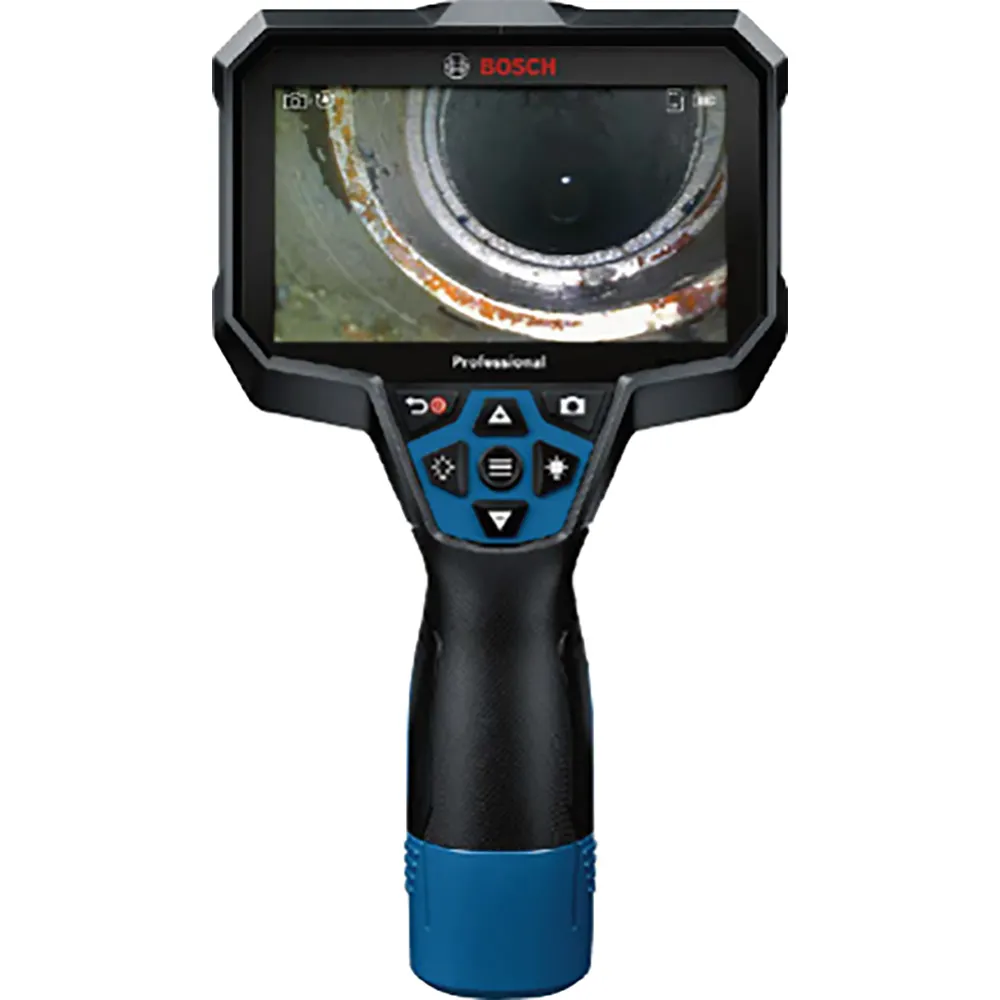
Pinhole camera
If you would like an independent damp surveyor to inspect your London home, we cover all regions of the capital and you will receive a detailed report shortly after the survey is completed.
Types of Damp, Mould and Timber Rot
Rising Damp
London sits on the Thames Valley Basin, a clay-based region with moisture retention in many areas and this leads to rising damp. Buildings should have a damp proof course installed between brick courses close to the ground; this impermeable barrier prevents moisture from attacking the exterior walls; in the event the DPC is damaged, rising damp will surely follow. Older London homes are at high risk of rising damp due to the DPC membrane being damaged or degenerating over time; if you are planning to buy a London home, you should call in damp specialists to do an independent survey, looking for signs of rising damp, condensation and mould. Moisture entering a building from any location other than the ground is called penetrating damp; the dull and humid weather we get in London does nothing to dry out wet ground and heavy rainfall makes matters worse.
Penetrating Damp
Moisture can enter a structure from the roof, walls, window and door frames; all need to be checked prior to making an offer on any London property; ask the seller if they can produce a recent damp report from a reputable independent damp specialist in London. Otherwise, you should arrange for one of our certified and experienced damp surveyors to inspect the property for any signs of damp, mould or timber rot. A single missing roof tile is all it takes to allow rainwater into the internal roof structure, where it will attack joists and rafters; roof leaks are a main cause of penetrating damp in London homes, which is why you should book an annual roof inspection to give you a heads-up when repairs are in order. Render and brickwork can be damaged by constant wind and rain; moss growth is a sure sign of penetrating damp and this needs to be investigated. Our surveyors have a routine to quickly zone in on moisture and mould issues; using state-of-the-art digital equipment to identify and measure moisture within a building. Damp can be difficult to spot and should you go ahead with a purchase and later discover penetrating damp, it could cost thousands of pounds.
Condensation
When the air is very humid, water droplets can form on hard surfaces; when cold meets hot, moisture gathers on the warm surface as cold is transferred from the exterior surface; much like water drops form on the outside of a glass filled with cold beer. Condensation can be caused by our behaviour; drying damp clothing indoors will facilitate a transfer of moisture from the clothes into the air and coupled with lack of ventilation, mould can quickly form. If you run a hot bath and leave the door open, water vapour permeates through the house; close the bathroom door, open a window and turn on the fan when taking a hot bath. Cooking is another activity that generates condensation; always use the canopy extractor, which is designed to suck up all moisture and odours. Ventilation is a critical component of a damp-free environment and one of the top condensation solutions.
Timber Rot
Wet and dry rot are common in London properties; both types of fungi are destructive and will eat away at all species of wood. Damp, dark corners are ideal environments for fungi to thrive and it consumes wood pulp, which impacts the structural integrity of the material. Excessive moisture in timber is the main cause of dry rot; leaking pipes, rotten window frames or a leaking roof are all scenarios that can happen in a London property. Tell-tale signs of dry rot include cracking wood, discolouration and the formation of fluffy white fungal growth. Wet rot comes in many forms; a white or brown fluffy growth that thrives in still, humid areas and is never far from a moisture source. A damp odour often accompanies these signs and should you suspect timber rot is present in your London home, call London Damp Specialists on 020 8945 5547 and arrange to have the property inspected by one of our experienced damp specialists.
Woodworm
There are two invasive species of beetle that can attack timber in London homes and tell-tale signs include:
- Small bore holes in timber, with tiny mounds of dust.
- White larvae in close proximity to timber
- Crumbling edges and joints
- Dead grey insects
We use a range of methods to identify woodworm and should these insects be present in your London home, we can recommend a reputable contractor to eliminate these pests.
Our homebuyers damp survey is designed to help potential buyers by providing a detailed report on every aspect of damp, mould and timber rot.
Call us on 020 8945 5547 or fill out the form below and book a survey today.
We offer 3 levels of independent damp surveys, ranging from £199 + VAT to £399 + VAT for a comprehensive inspection with thermal and drone imagery. The different levels cater for all needs; we do a homebuyers survey to ensure there are no hidden damp issues and you receive a detailed report in your inbox the following day. We also provide lab testing for plaster, where we analyse up to 10 plaster samples from selected rooms in the house at a cost of £399 + VAT.
Yes, as long as the owner consents, the survey can be carried out. All we require is unrestricted access to the building. Some of our customers are abroad and arrange for the property management company to allow us access to their rental property. A tenant might complain about damp, in which case, the landlord would arrange an independent damp survey to determine the extent of the problem.
Contact Us
For an in-depth survey of your property or simply to talk to one of our damp proofing specialists in London
Book and Pay for a survey
If you are ready to book a survey and pay, please complete this form: