Condensation
Condensation in London Homes
Condensation forms when there is excessive moisture in the air; droplets of water can form on hard surfaces like window panes, frames and even walls. Hazardous mould forms in humid environments and if you notice condensation in your home, it is time to arrange for an independent damp surveyor to inspect your London home.
Why Does Condensation Form?
If there is a high volume of moisture in the air, it doesn’t take much for that moisture to turn into tiny water droplets; in winter, the interior is much warmer than the exterior and with poor ventilation, condensation is likely to form on the windows. If not removed, this water will damage timber and plaster, while mould can thrive in such conditions and that is a health hazard for all the occupants.
Condensation tends to form in the colder winter months, when the interior is warmer than the exterior and the main causes include the following:
- Inadequate heating
- Lack of air movement
- Drying damp clothing indoors
- Water pipe leak
- Drainage leak
- Leaking roof
In order to get a definitive answer to the causes of condensation, you need to engage the services of a top-rated independent damp survey company in London. Our damp inspectors use cutting-edge equipment to identify and source condensation, as well as providing remedial work recommendations; we can connect you with the best damp-proofing and condensation specialists in the capital.
Strategies to Prevent Condensation
As mentioned above, drying wet garments indoors causes a lot of moisture to be fed into the environment; if this is something you like to do, you should dry the clothes in the garage or an outhouse, rather than inside the home. Kitchens and bathrooms are more prone to condensation than other rooms because hot water generates steam and this turns to condensation, which causes damage over time. If your home is constantly damp and condensation forms on the windows, you should look into replacing the windows with double-glazed, hermetically sealed units that greatly reduce, if not eliminate, condensation. Aluminium frames have a thermal break that prevents heat transfer across the metal and this would bring many other benefits, such as lowering energy consumption and removing annoying draughts. There are numerous forms of condensation control that can be used to combat water vapour.
Containing Condensation
Keep kitchen and bathroom doors closed when running hot water, which prevents water vapour entering the rest of the home. Opening a few windows and turning on extractor fans will dissipate condensation and water droplets should be wiped up with a dry cloth. Use the canopy fan over the stove when cooking, which removes moisture and odours. A portable dehumidifier can dry out specific rooms and this can have a positive impact on water vapour. Such an investment can make all the difference if your interior is damp and it can be used frequently.
Ways to Deal with Condensation
There are numerous ways to prevent/remove condensation, including creating an airflow throughout the building, which dries out the air and removes excess moisture. Our surveyors carry out a ventilation flow test using a special digital device that accurately measures air movement and when used in numerous locations, the inspector gets a good readout of ventilation. The moisture could be coming up from the ground, rising damp, or entering through the walls, which is penetrating damp; it is important to pinpoint the origin of damp, then solutions can be applied.
Thermal Insulation
Cavity walls can be insulated with an injectable DPC foam that prevents moisture from passing through to the interior walls; older London homes would likely be suitable for cavity wall insulation, as this is known to be the best solution to eliminating water vapour inside the home. Keep a dry cloth in the kitchen and bathroom to mop up condensation droplets, then open a window to allow the moist air to leave.
The Importance of Ventilation
If vents are blocked by wall art or furniture, this will impact ventilation, which is a critical component of a damp-free environment. If you do not have extractor fans, installing a few around the house is recommended; they can be reversed and used to generate airflow. We recommend heating the whole house on a weekly basis, even the rooms that are not in use, as this raises the temperature and removes moisture from the air.
In many London homes, condensation is only an issue in the winter months and a dehumidifier can make all the difference during this time. If you suspect your home might have condensation issues, we can arrange for one of our independent damp surveyors to carry out a damp survey to determine the status of your home.
Is Mould Related to Condensation?
The short answer is probably; mould needs a humid environment to exist and if condensation remains, it will seep into the materials, creating the right conditions for mould and mildew to thrive. We use borescope cameras to inspect dark corners, looking specifically for signs of mould and woodworm, which helps the surveyor do their work.
If you would like to book an independent damp survey, give us a call on 020 8945 5547 or fill in the form on this website and we will be in touch in a timely manner.
In certain situations, condensation will occur; running a hot bath, for example, will leave water droplets on all hard surfaces and you should keep the bathroom door closed and open a window to allow the moist air to escape. The same applies when cooking, always turn on the canopy extractor fan and open a window or two; avoid drying clothes indoors, as the moisture is transferred to the air. Generating a positive airflow throughout the house is an effective way to remove moisture in the air; we carry out a ventilation flow test when surveying a London home, which gives an accurate assessment of airflow throughout the building.
This is an indication that condensation is the cause; the warm summer months do not cause extreme temperature variables, but when it gets to below zero, when warm surfaces meet cold, water droplets form, typically on the inside of windows and walls; this excess moisture causes mould and we would recommend thermal insulation, double-glazed windows and doors and a cavity wall foam insulation would go a long way to eradicating condensation. Our surveyor would be able to advise you on the best solutions.
The short answer is yes. Injectable insulation foam helps keep energy costs down, while also preventing the forming of condensation when cold meets warm. This can also be an effective damp proof course (DPC) to prevent moisture rising from the ground; we often recommend this treatment in London homes and we work closely with a top contractor that services all areas of London.
Damp Survey Costs
Transparent pricing with no hidden fees for our independent, unbiased surveys.

Level 1
What’s included:
- Inspection of walls
- Inspection of floors
- Inspection of ceilings
- Leak inspection of drains and plumbing
- Damp information and prevention guide

Level 2
What’s included:
- Everything in Level 1
- Dry rot inspection
- Wet rot inspection
- Woodworm inspection
- Damp information and prevention guide
Level 3 (Most Popular)
What’s included:
- Thermal Imaging
- Air humidity testing
- HD boroscope camera
- Brickwork pointing inspection
- DPC inspection
- Ventilation flow test on extractor fans
- 4K drone imagery roof, chimney stack
and guttering inspection - Structural condition inspection
- Inspection of walls
- Inspection of floors
- Inspection of ceilings
- Leak inspection of drains and plumbing
- Dry rot inspection
- Wet rot inspection
- Woodworm inspection
- Damp information and prevention guide
Survey Add Ons
Add On 1
Laboratory analysis Of plaster identifies hygroscopic salts such as chlorides and nitrates. which indicate whether damp is caused by rising groundwater or by plumbing leaks, This testing removes guesswork, allowing the exact source of moisture to be identified so the correct treatment is applied rather than carrying out unnecessary damp-proofing work.
Add On 2
qPCR DNA mould testing detects microscopic mould spores that are invisible during a normal inspection and van remain hidden behind walls, floors. or inside building rkaterials. It identifies the exact mould species present and the contamination level, allowing hidden mould problems to be confirrned and properly treated before they affect the property or occupants’ health.
Qualifications: All our surveyors are PCA and CSRT qualified for remedial treatments and also CSSW qualified for structural waterproofing.
Next day report: You will receive the report within 24 hours of the inspection taking place.
These are the tools we use
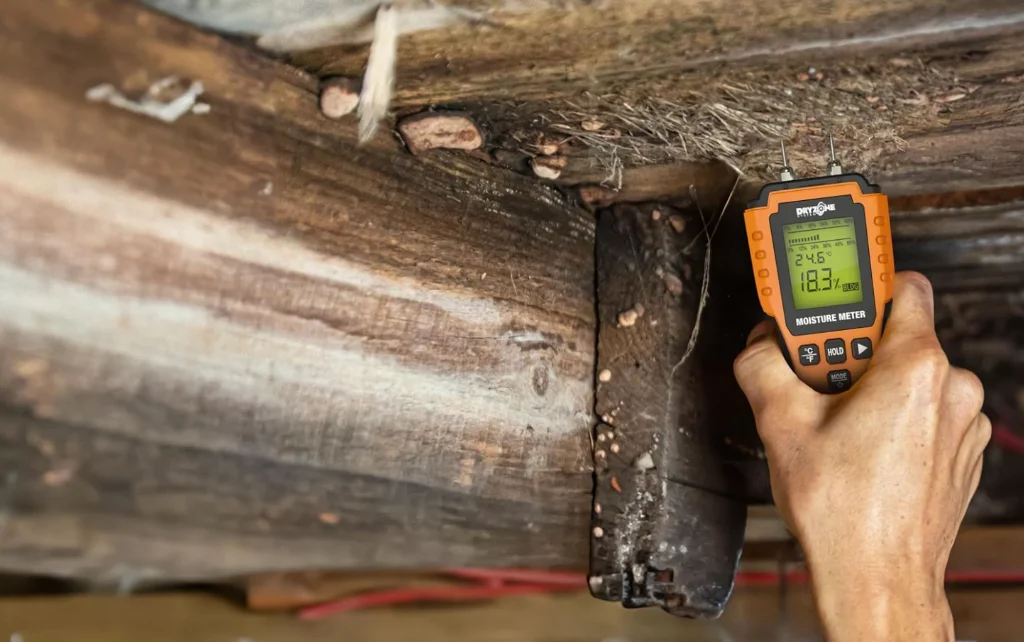
Damp Meter
A damp meter is a diagnostic tool used to detect and measure moisture levels within building materials such as plaster, brick, timber, and concrete.

Borescope camera
borescope camera is a small inspection camera attached to a flexible semi-rigid cable that allows you to see inside areas that are otherwise inaccessible.

Drone Inspection
A drone is a remotely operated aerial device equipped with a camera that allows visual inspection from above without the need for scaffolding or ladder.
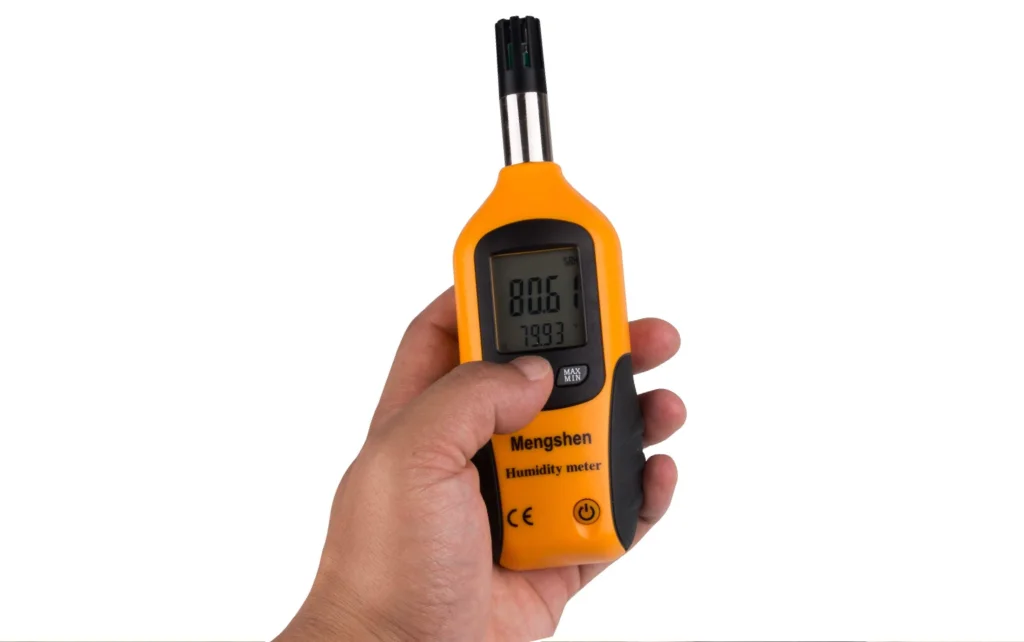
Air Humidity Sensor
Air humidity sensor measures the amount of moisture present in the air, expressed as relative humidity (RH) in percentage. It helps determine whether indoor conditions are contributing to condensation, mould growth, or damp-related issues.
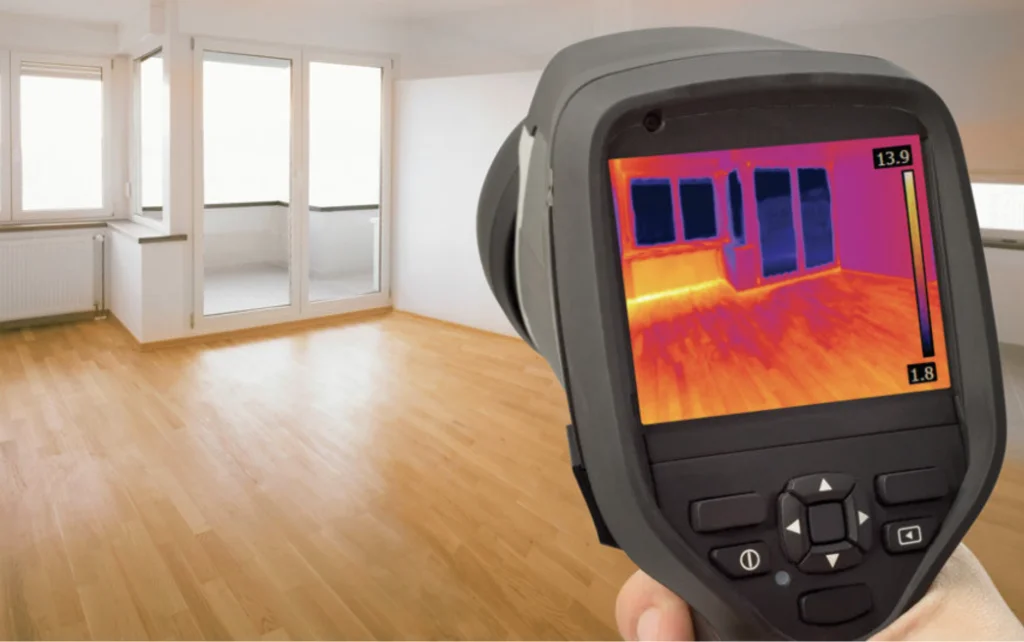
Thermal Imaging Camera
A thermal imaging camera detects temperature differences on surfaces by using infrared technology to produce a heat map image. In damp investigations, it helps identify cold spots, moisture intrusion, insulation defects, thermal bridging and leaks.
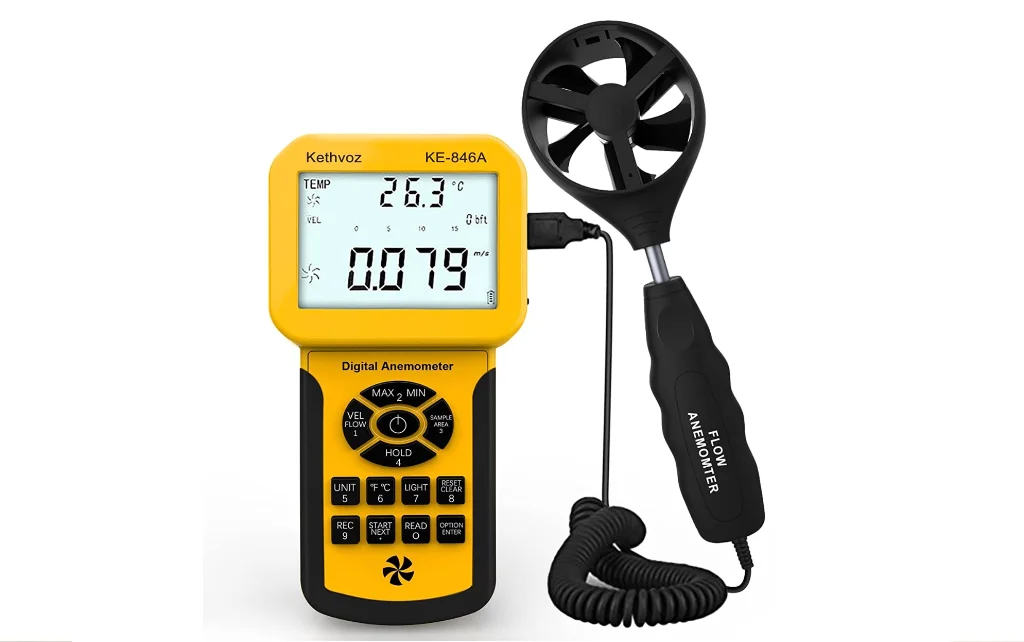
Air Flow Ventilation Detector
An air flow ventilation detector measures the movement and volume of air passing through vents, extractor fans, and air bricks. It confirms whether ventilation systems are working properly and achieving adequate air changes within a room. Poor airflow leads to trapped moisture, high humidity, condensation on cold surfaces, and ultimately mould growth.

Mould Lab Swab Testing
A mould swab test is carried out to confirm the presence of hidden mould growth and identify the specific species involved. Surface mould is not always visible, especially behind furniture, inside cavities, or within ventilation systems. Laboratory analysis of a swab sample determines whether active mould spores are present and what type they are, which helps assess potential health risks and decide the correct remediation approach rather than relying on visual assumption alone.
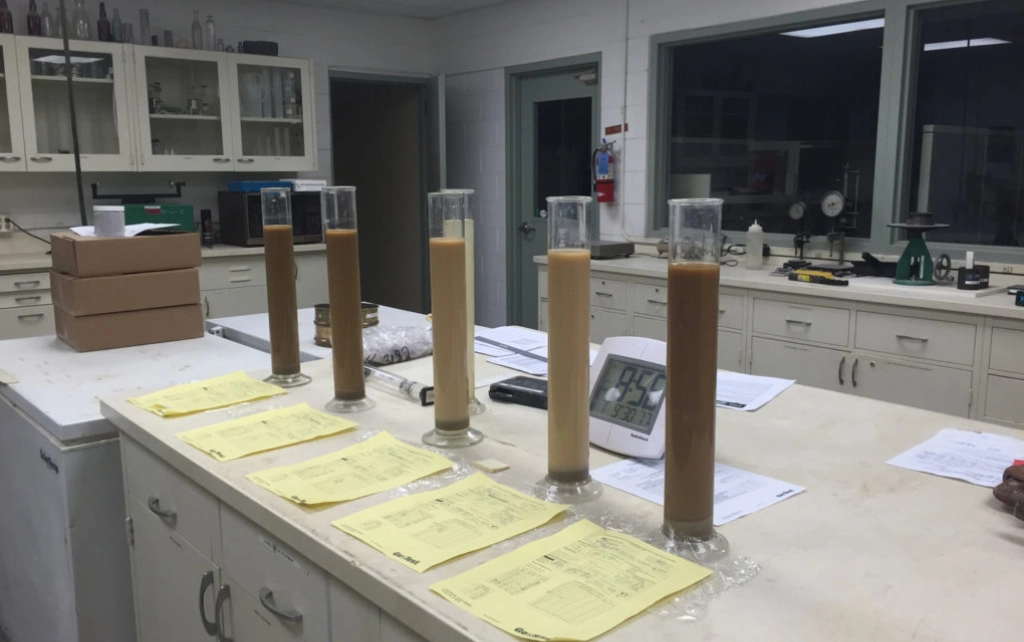
Lab Analysis of Plaster
Laboratory analysis of plaster is used to identify the type of salts present within the material, typically chlorides and nitrates. The presence and concentration of these salts help determine whether the moisture source is consistent with rising damp, ground contamination, or another forms [sic] of water ingress. such as mains water leak, This removes guesswork and prevents misdiagnosis, ensuring the correct remedial treatment is specified rather than applying unnecessary or ineffective solutions.
Contact Us
For an in-depth survey of your property or simply to talk to one of our damp proofing specialists in London
Book and Pay for a survey
If you are ready to book a survey and pay, please complete this form: