Basement Damp Surveys
Surveying Basements for Damp and Mould
Many London homes have underground living space and damp is a very real threat, especially in low-lying areas where moisture retention is high. Waterproofing below-ground spaces is known as basement tanking and there are numerous strategies to combat damp in basements and cellars. Installing a cavity drainage system is an effective way to redirect water from a basement into mains drains, with a sump pump to direct the water to designated drainage points. A studded membrane is affixed to the walls to create a cavity, then waterproof plaster is applied to the interior and a final coat of skim plaster. Waterproof cement is widely used to create a barrier that damp cannot penetrate, yet this alone is typically inadequate, as the source of the moisture must be identified and treated.
Pre-Purchase Independent Damp Survey
If you are planning to buy a house in London and you want a definitive answer regarding damp and mould, we are the go-to company for independent basement surveys in London. Our certified damp surveyors use cutting-edge tools and equipment to accurately assess a basement/cellar for signs of damp, mould and timber rot.
Sourcing the Origins of Damp
Once damp or mould is discovered, its origins then need to be sourced and a treatment plan created. Our surveyors work quietly and effectively, using a range of state-of-the-art tools and devices to identify damp, mould and timber rot. Thermal imaging and borescope cameras help the inspector to carry out an accurate damp assessment that comes with a detailed report.
When people move into a London home, they might not use the basement for a few months and in this time, a lot of damage can be caused. In some cases, the basement has to be emptied, plaster removed and channels need to be excavated in the floor. A studded membrane is fitted to the walls and floor, creating a barrier between the ground and the interior, while water is channelled away from the building.
Different Types of Basement
- Daylight Basement – A basement on a slope where part of the floor is above ground level, while part is below ground and windows provide ventilation.
- Lookout Basement – Built on a flat area with part of the basement above ground level.
- Walk-Up Basement – An entrance via a stairwell with basement doors to keep water out.
- Underground Cellar – Where the entire basement is below ground level. Typically used for storage and requires ventilation.
- Below Ground Floor Space – Usually a very low ceiling; a person would not be able to stand up in this space, which would be used for storage only.
If you would like a professional damp inspection of your London basement, call London Damp Specialists on 020 7523 5882 or complete the form at the bottom of this page.
Basement Waterproofing Systems for London Homes
There are two main basement tanking systems that are used by top damp-proofing companies in London;
- Cavity drainage system; Sump and pump
- Tanking & rendering system
Regardless of the type of basement waterproofing, all damaged masonry and plaster must be removed and the substrate cleaned and prepared.
Cavity Drainage System
If regular waterproof plaster and render are not sufficient, our independent damp surveyor would recommend installing a cavity drainage system. Studded membrane panels are fitted on walls and floors, which creates a cavity, where water is drained into floor channels and then into a sump to be pumped to drainage points. The interior walls are then coated with a waterproof render, followed by a final skim of plaster, which ensures the moisture is prevented from reaching the interior membrane.
This is a very effective way to keep a basement dry in wet areas and it must be professionally installed. With cavities on floors, walls and ceilings, you have a dry central space and water is managed by a sump and pump. While we only carry out independent surveys, we work closely with the best damp-proofing contractors in London. We are able to give a ballpark quote for basement damp-proofing in London, along with the detailed survey report. Regardless of the amount of water around the interior, it stays dry, and the water is channelled away.
Basement Tanking
This involves removing damaged plaster and render, preparing the substrate for a new coating of waterproof render, then applying a thick coat. When this has dried completely, another coat is applied and after that is dry, a final skim of plaster to finish the job. If you are thinking of buying a London property with a basement, we specialise in inspecting below-ground living space, looking for signs of damp, condensation, mould and wood rot.
To book an independent basement damp survey, call London Damp Specialists on 020 8945 5547 or fill out the form at the bottom of this page.
At London Damp Specialists, we focus on independent damp surveys, however, we do have a close working relationship with London’s top damp-proofing contractor that issues a comprehensive 30-year guarantee on all damp-proofing work. If you would like to have your basement surveyed for damp, contact London Damp Specialists and we will arrange for one of our certified damp surveyors to inspect your home, including the basement.
This could be due to a leaking pipe, or it might be damp penetrating the external walls; the only way to know for sure is to call London Damp Specialists and let the damp experts do their stuff. Once the source is confirmed, a treatment is recommended using waterproof plaster, adding several coats, allowing each to dry fully.
Damp Survey Costs
Transparent pricing with no hidden fees for our independent, unbiased surveys.

Level 1
What’s included:
- Inspection of walls
- Inspection of floors
- Inspection of ceilings
- Leak inspection of drains and plumbing
- Damp information and prevention guide

Level 2
What’s included:
- Everything in Level 1
- Dry rot inspection
- Wet rot inspection
- Woodworm inspection
- Damp information and prevention guide
Level 3 (Most Popular)
What’s included:
- Thermal Imaging
- Air humidity testing
- HD boroscope camera
- Brickwork pointing inspection
- DPC inspection
- Ventilation flow test on extractor fans
- 4K drone imagery roof, chimney stack
and guttering inspection - Structural condition inspection
- Inspection of walls
- Inspection of floors
- Inspection of ceilings
- Leak inspection of drains and plumbing
- Dry rot inspection
- Wet rot inspection
- Woodworm inspection
- Damp information and prevention guide
Survey Add Ons
Add On 1
Laboratory analysis Of plaster identifies hygroscopic salts such as chlorides and nitrates. which indicate whether damp is caused by rising groundwater or by plumbing leaks, This testing removes guesswork, allowing the exact source of moisture to be identified so the correct treatment is applied rather than carrying out unnecessary damp-proofing work.
Add On 2
qPCR DNA mould testing detects microscopic mould spores that are invisible during a normal inspection and van remain hidden behind walls, floors. or inside building rkaterials. It identifies the exact mould species present and the contamination level, allowing hidden mould problems to be confirrned and properly treated before they affect the property or occupants’ health.
Qualifications: All our surveyors are PCA and CSRT qualified for remedial treatments and also CSSW qualified for structural waterproofing.
Next day report: You will receive the report within 24 hours of the inspection taking place.
These are the tools we use
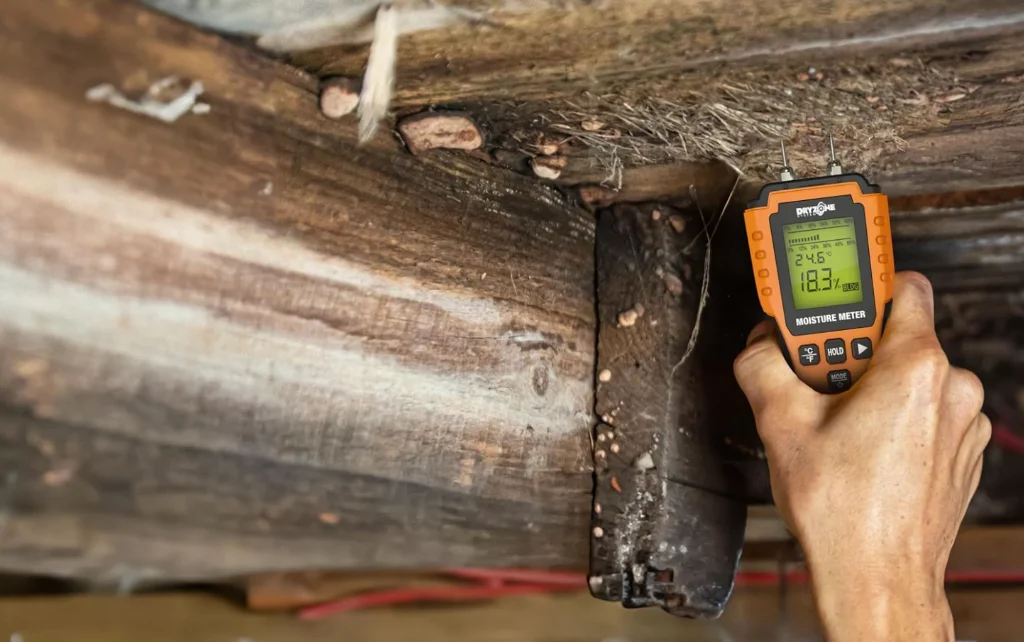
Damp Meter
A damp meter is a diagnostic tool used to detect and measure moisture levels within building materials such as plaster, brick, timber, and concrete.
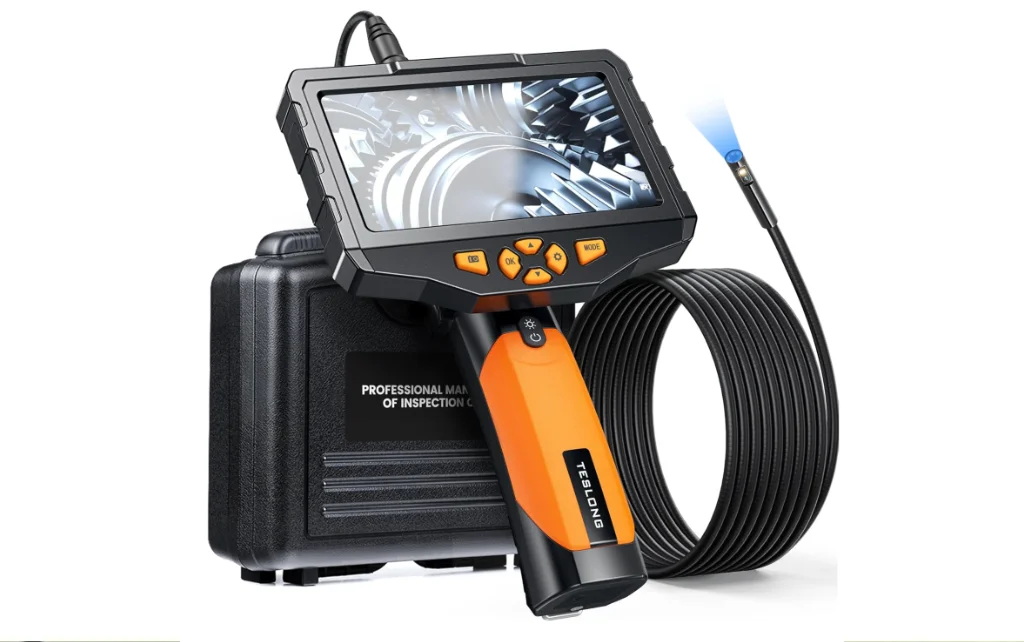
Borescope camera
borescope camera is a small inspection camera attached to a flexible semi-rigid cable that allows you to see inside areas that are otherwise inaccessible.

Drone Inspection
A drone is a remotely operated aerial device equipped with a camera that allows visual inspection from above without the need for scaffolding or ladder.
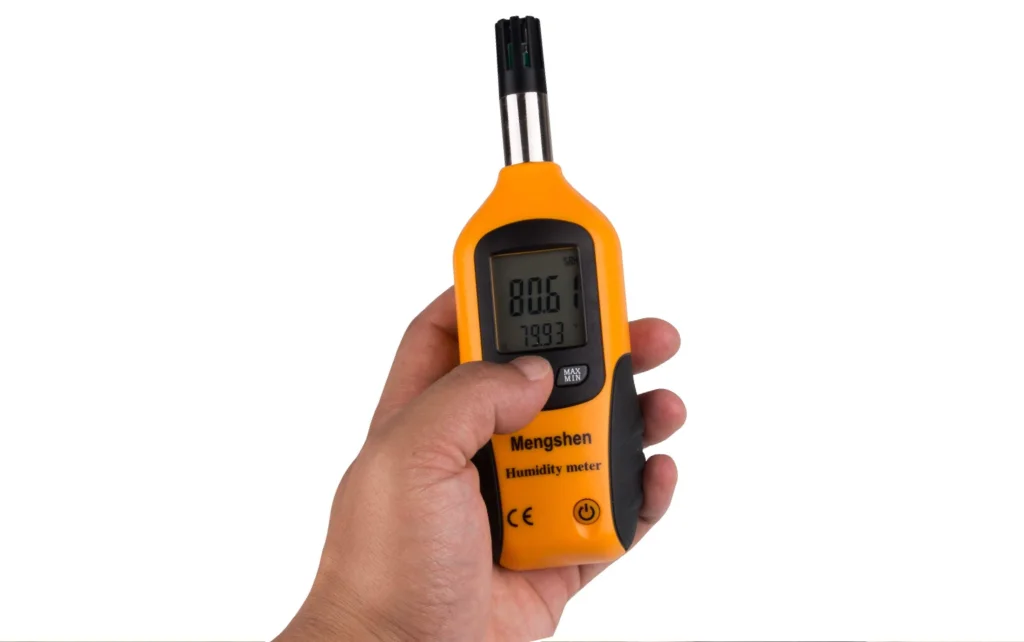
Air Humidity Sensor
Air humidity sensor measures the amount of moisture present in the air, expressed as relative humidity (RH) in percentage. It helps determine whether indoor conditions are contributing to condensation, mould growth, or damp-related issues.
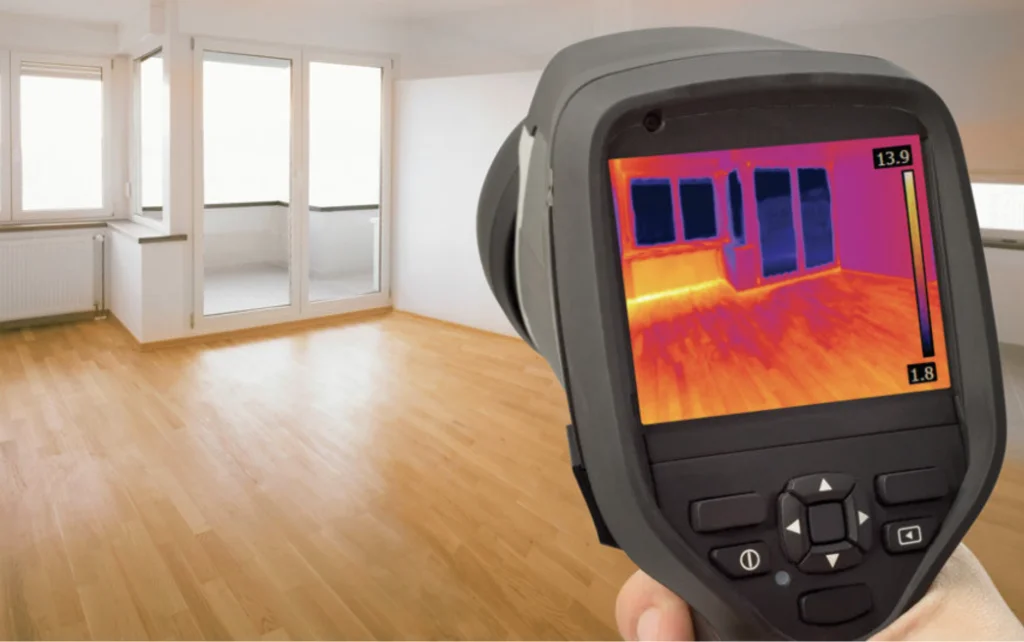
Thermal Imaging Camera
A thermal imaging camera detects temperature differences on surfaces by using infrared technology to produce a heat map image. In damp investigations, it helps identify cold spots, moisture intrusion, insulation defects, thermal bridging and leaks.
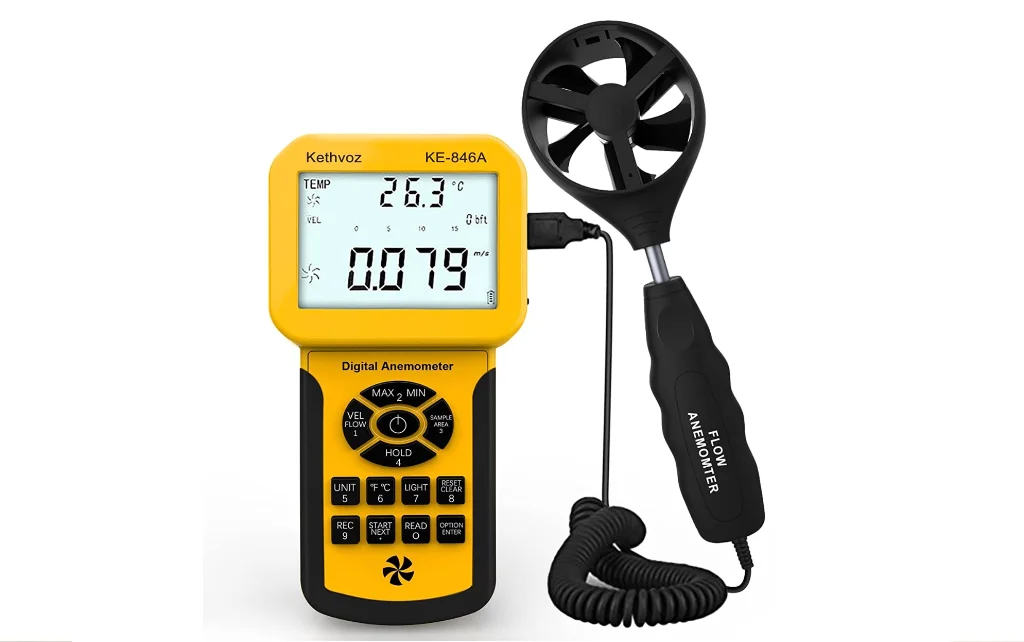
Air Flow Ventilation Detector
An air flow ventilation detector measures the movement and volume of air passing through vents, extractor fans, and air bricks. It confirms whether ventilation systems are working properly and achieving adequate air changes within a room. Poor airflow leads to trapped moisture, high humidity, condensation on cold surfaces, and ultimately mould growth.

Mould Lab Swab Testing
A mould swab test is carried out to confirm the presence of hidden mould growth and identify the specific species involved. Surface mould is not always visible, especially behind furniture, inside cavities, or within ventilation systems. Laboratory analysis of a swab sample determines whether active mould spores are present and what type they are, which helps assess potential health risks and decide the correct remediation approach rather than relying on visual assumption alone.
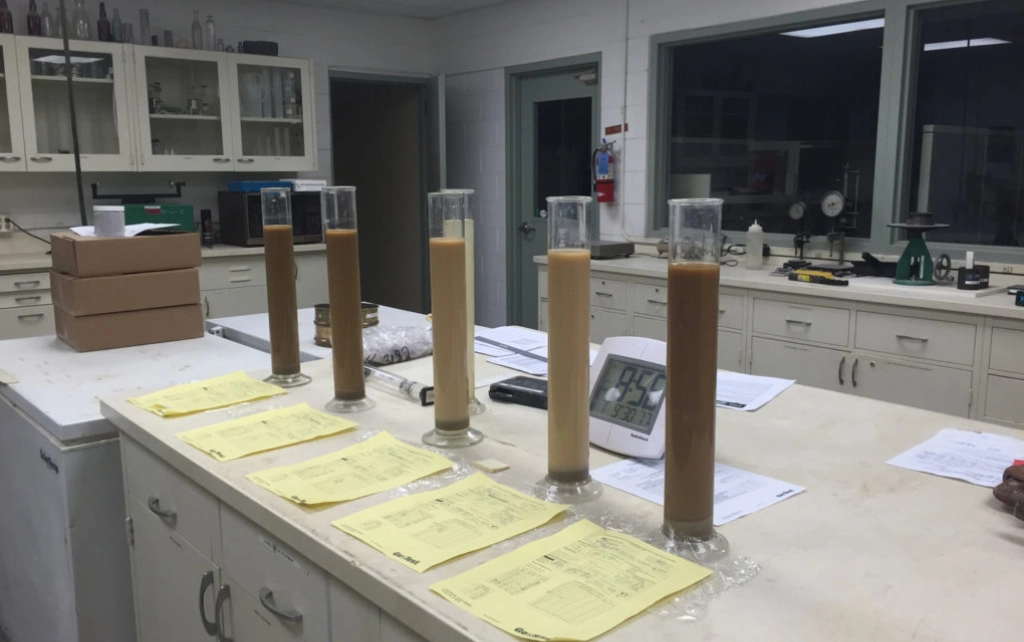
Lab Analysis of Plaster
Laboratory analysis of plaster is used to identify the type of salts present within the material, typically chlorides and nitrates. The presence and concentration of these salts help determine whether the moisture source is consistent with rising damp, ground contamination, or another forms [sic] of water ingress. such as mains water leak, This removes guesswork and prevents misdiagnosis, ensuring the correct remedial treatment is specified rather than applying unnecessary or ineffective solutions.
Contact Us
For an in-depth survey of your property or simply to talk to one of our damp proofing specialists in London
Book and Pay for a survey
If you are ready to book a survey and pay, please complete this form: