An independent Level 2 damp survey was carried out on a residential property in Streatham (SW16). The property owner requested the survey to determine the origin of dampness appearing in the upper ceiling area. The comprehensive check delivered an impartial evaluation of the property’s moisture dynamics.
About the Issue
Concerns arose after the homeowner identified a damp spot on the bedroom ceiling alongside water staining surrounding a skylight. They feared that rainwater was penetrating the external brickwork or that internal plumbing was leaking inside the ceiling void.
The Challenge
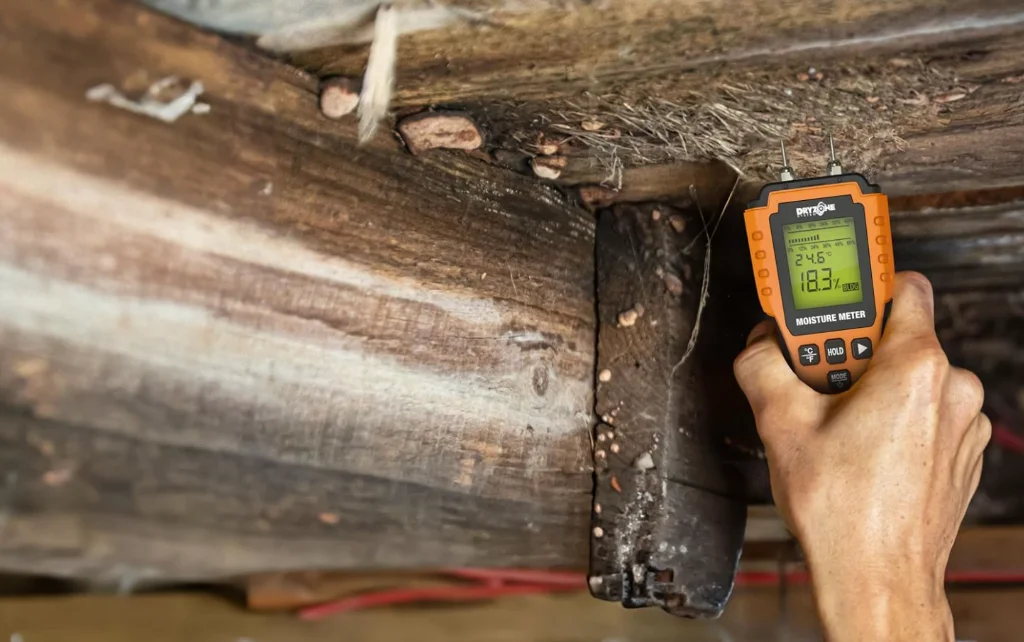
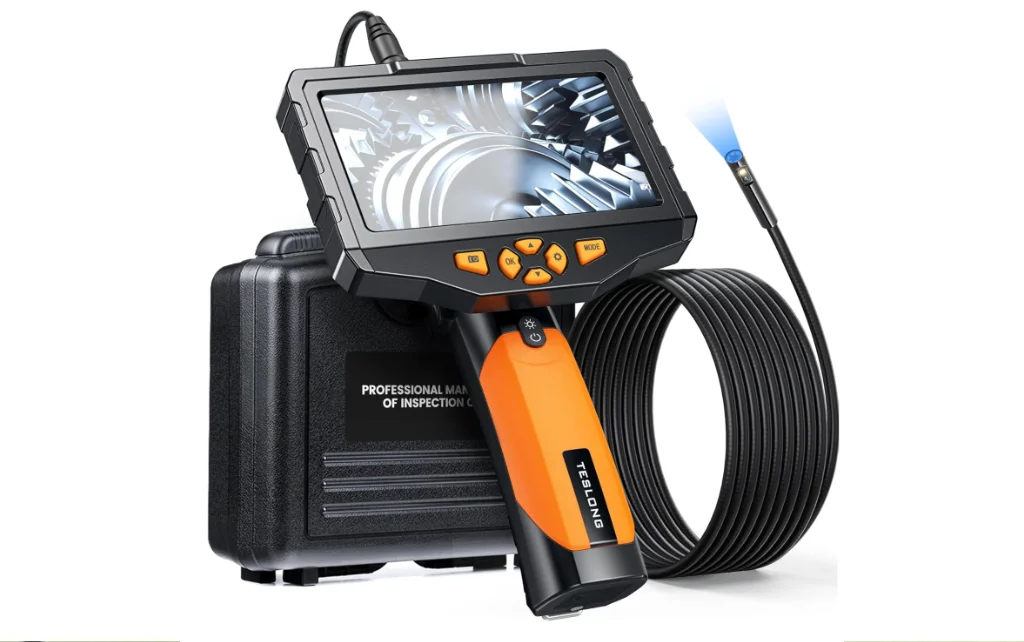
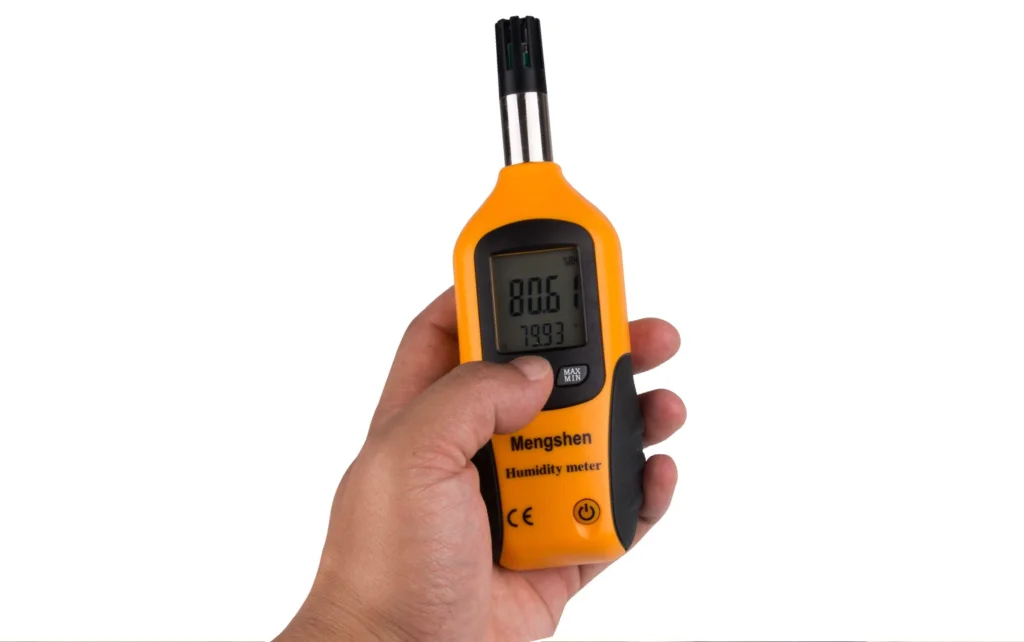
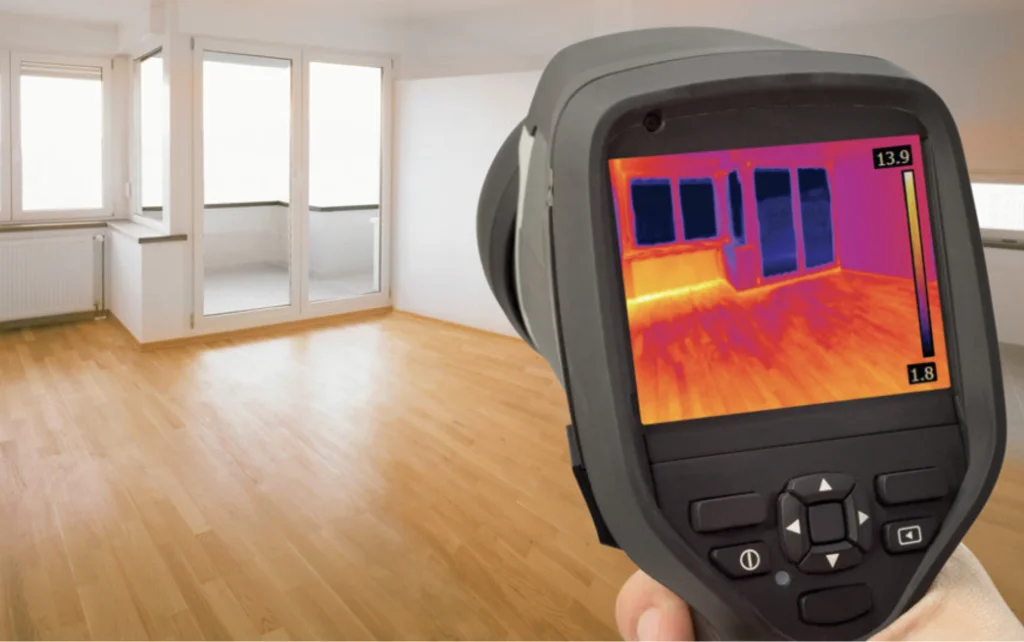
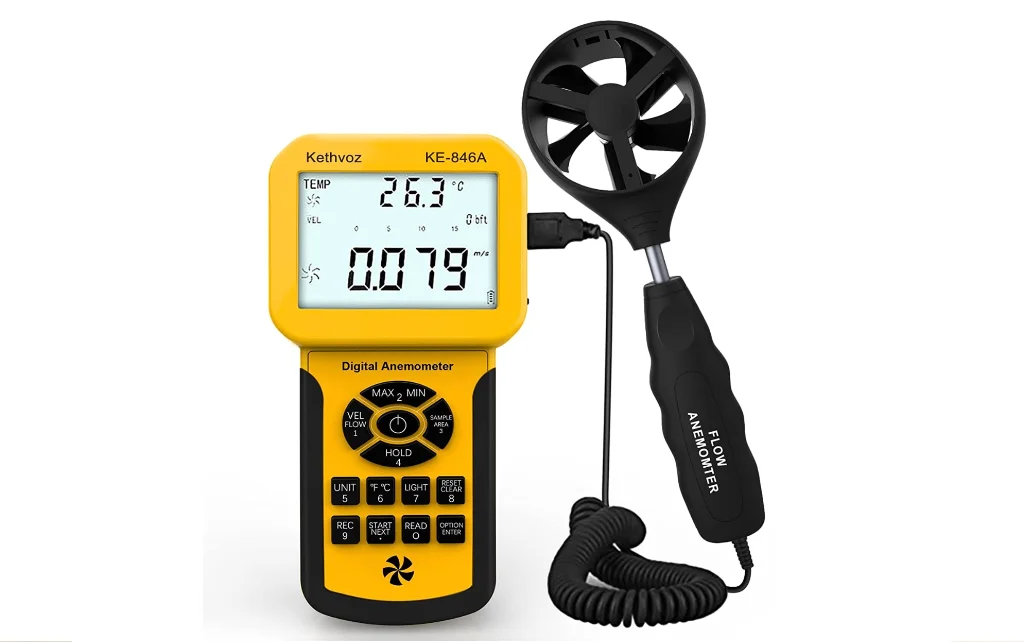
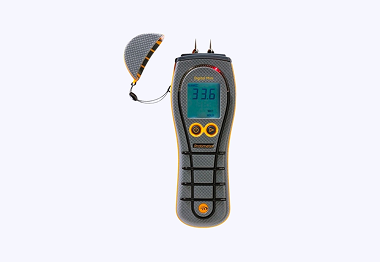
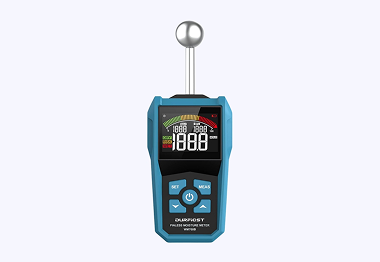
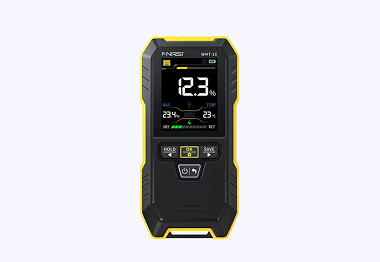
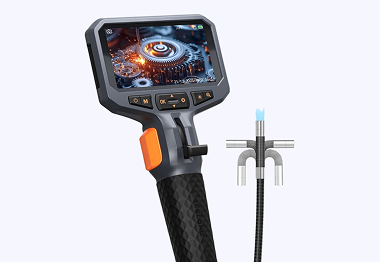
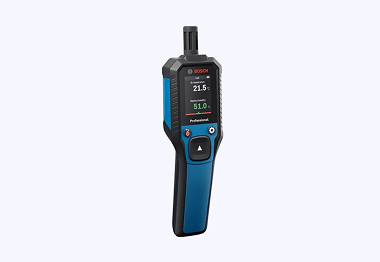
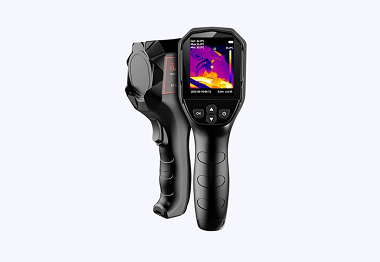
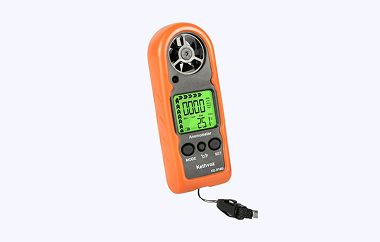
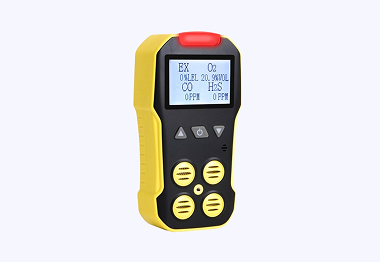
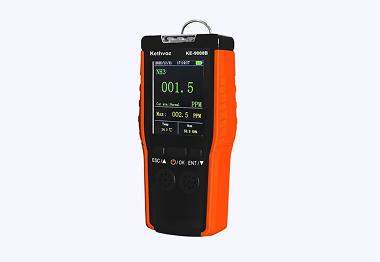
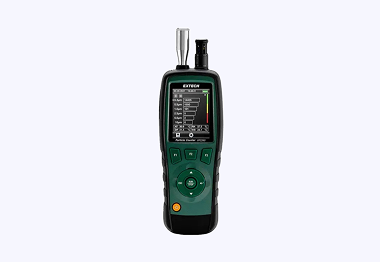
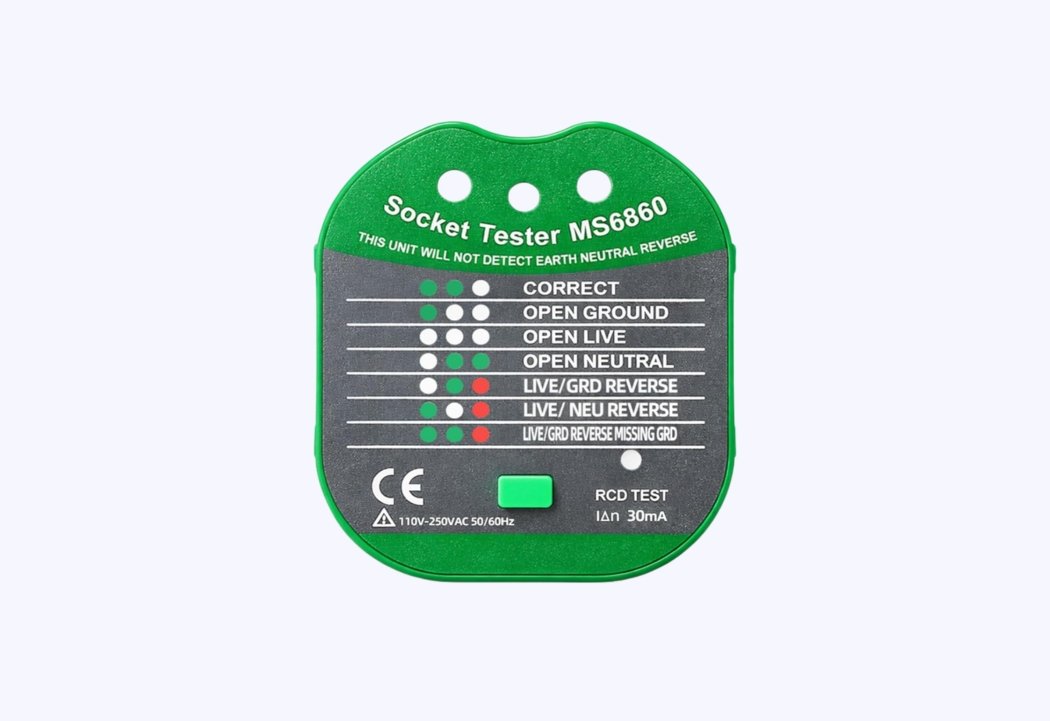
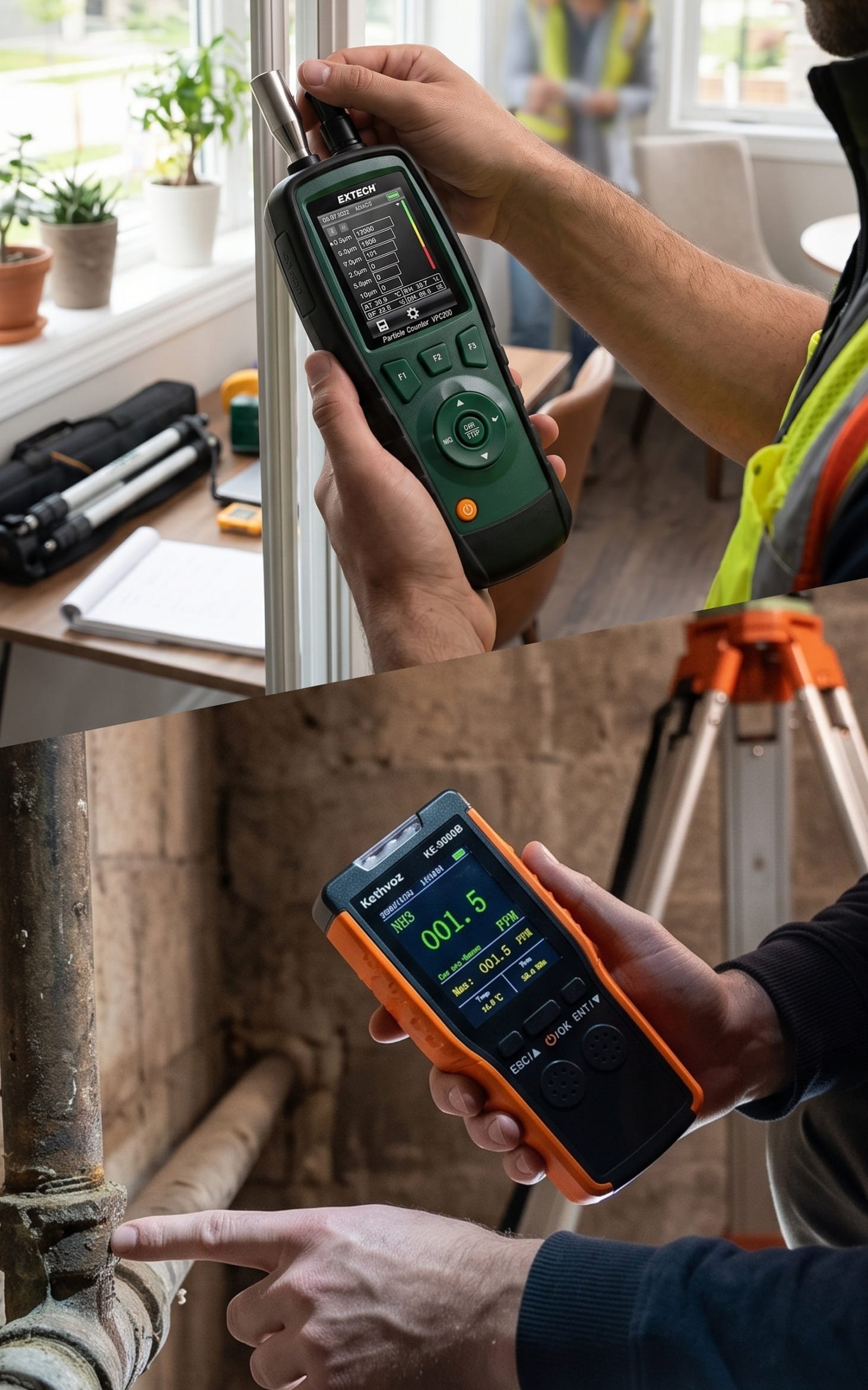
The inspection involved testing internal walls, floor surfaces, plumbing runs and high-level roof coverings using specialised moisture meters and visual diagnostic techniques.
Key testing results and observations included:
- Floor surfaces tested dry with no moisture detected across all inspected rooms.
- Internal wall surfaces registered no abnormal moisture readings, ruling out rising and penetrating wall dampness.
- Plumbing inspections confirmed zero active leaks from pipework or sanitary installations.
- Testing verified one isolated damp spot on the bedroom ceiling and localised staining around the skylight.
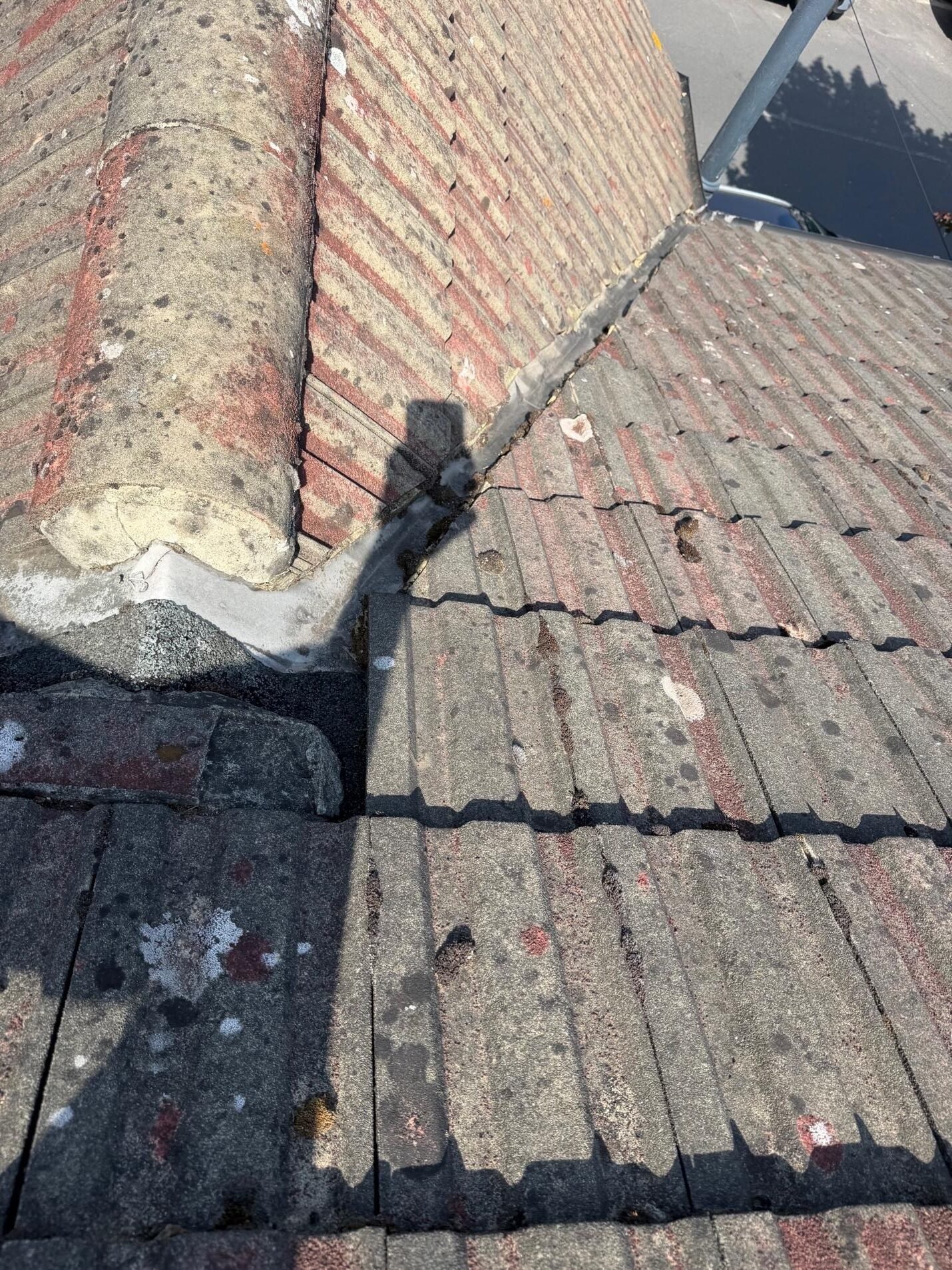
- Exterior checks revealed cracked render, unsealed roof tiles and defective flashings, indicating multiple points of roof-level water penetration.
The surveyor concluded that internal symptoms were driven entirely by external roof maintenance defects rather than systemic dampness within the living spaces.
The Solution
The report detailed a practical action plan to make the property weather-tight and restore internal finishes:
- Instruct a qualified roofer to repair defective or slipped tiles, seal open roof joints and repair cracked external render.
- Overhaul flashings and seals around the skylight to ensure a watertight seal.
- Allow damp internal ceiling plasterboard to dry completely post-repair.
- Apply stain block and redecorate minor stains, replacing localised plasterboard if material degradation has occurred.
The Outcome
The homeowner received formal confirmation that their property was structurally sound and free from wall or floor dampness. By choosing an independent survey, they avoided high quotes for internal damp treatments, directing their maintenance budget strictly to roof repairs.
Why This Case Matters
When water ingress occurs near top-floor ceilings, focusing on internal plastering without fixing the roof leaves the problem unsolved. Independent damp surveys verify external building fabric performance, ensuring root causes are rectified first.