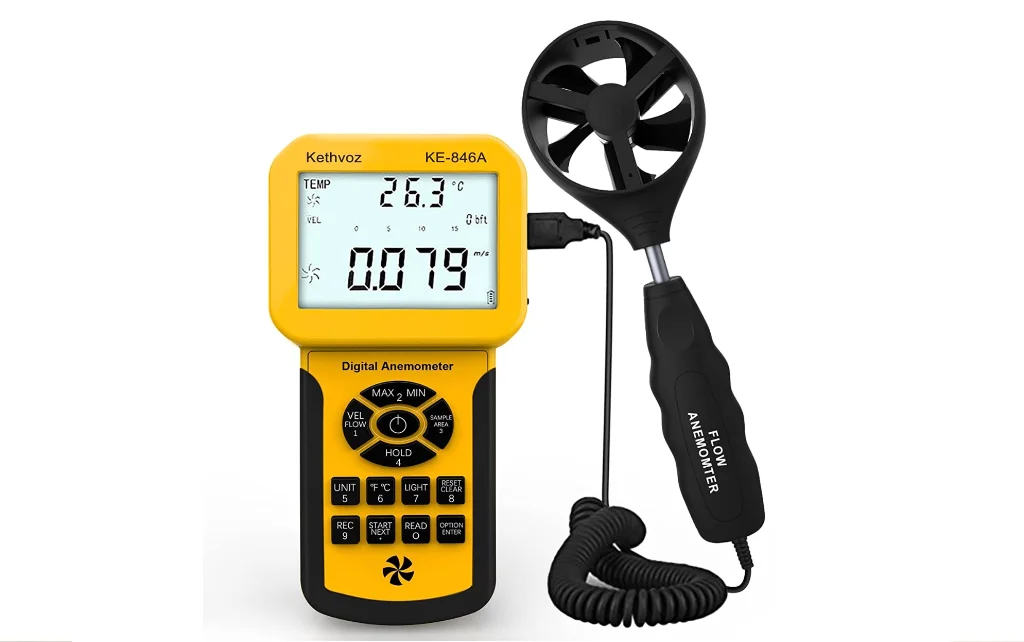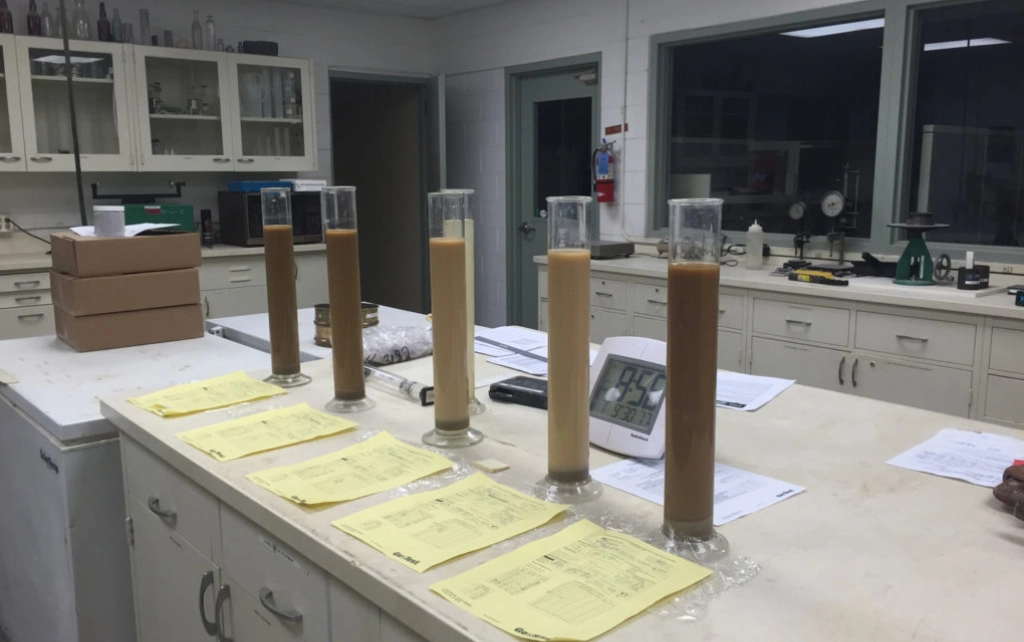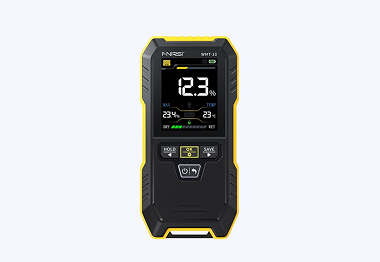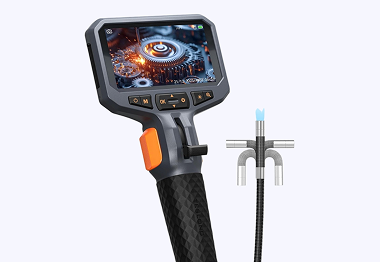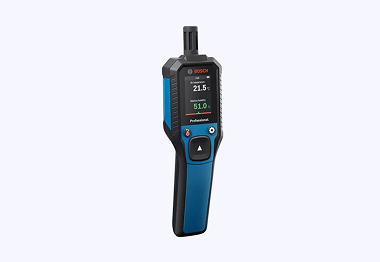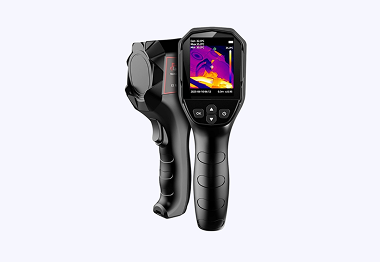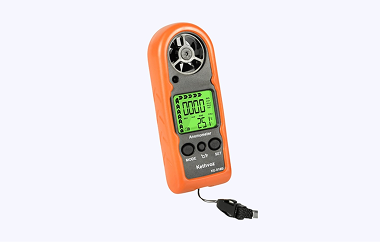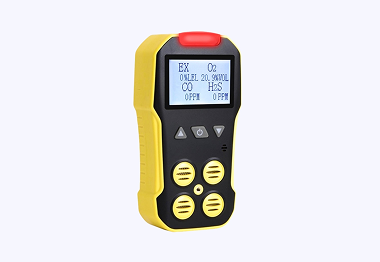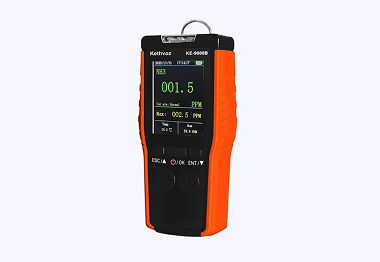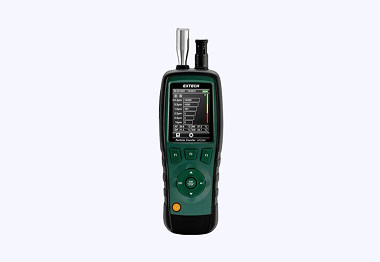
An independent Level 3 damp survey was commissioned for a multi-storey house in Walthamstow (E17). The property owner arranged the comprehensive inspection following past reports of bathroom water leaks and kitchen skylight staining. Instructing an independent diagnostic survey ensured the owner received an objective health check based on direct physical testing rather than assumptions.
About the Issue
The homeowner observed historic staining on the first-floor ceiling beneath a top-floor bathroom and marks around the kitchen skylights. Fearing active plumbing bursts, ongoing roof failures, or widespread timber rot inside the building structure, they requested a professional inspection to determine whether major repairs were needed.
The Challenge
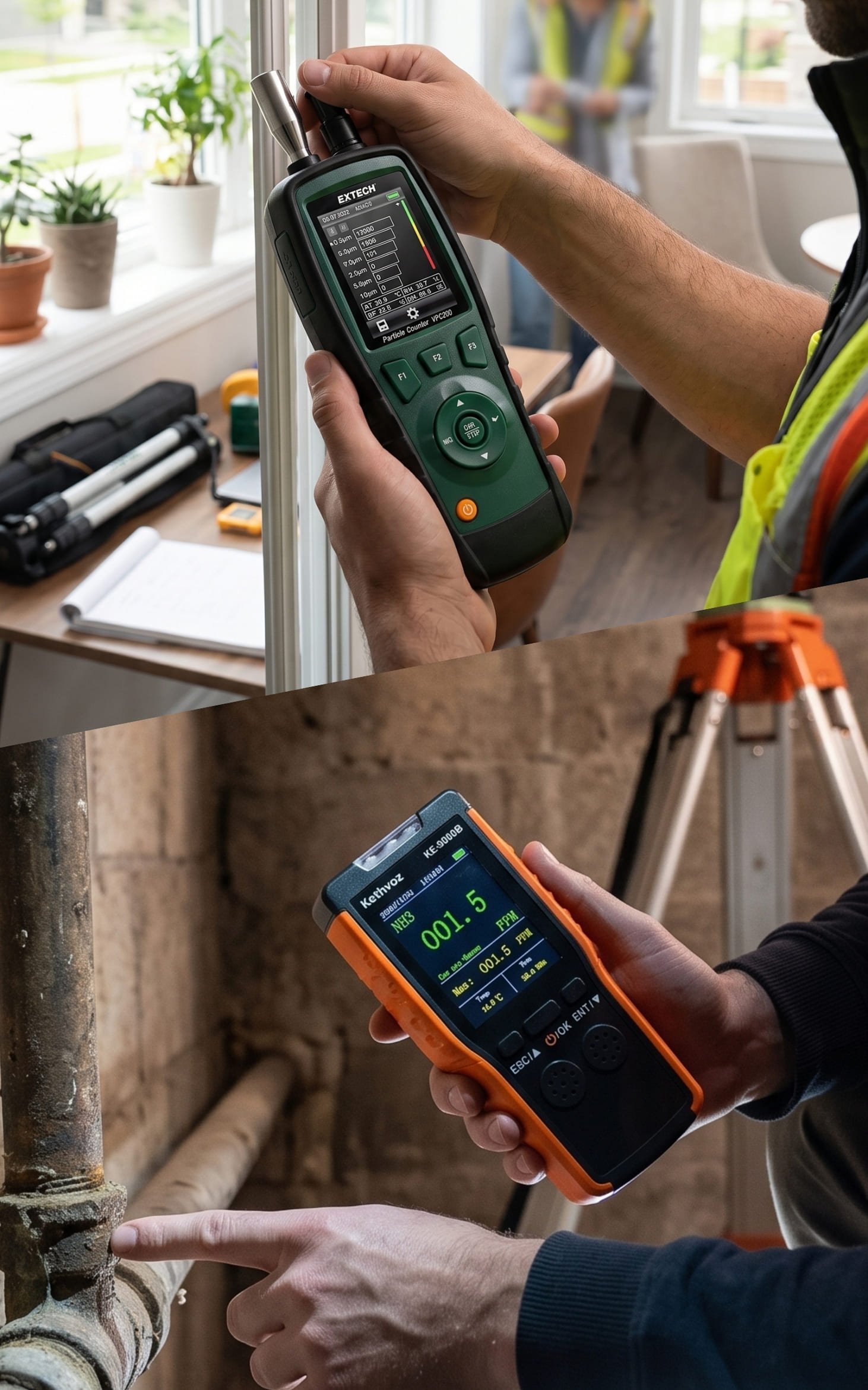
Executing a complete Level 3 damp survey involved checking all accessible internal living areas from top to bottom, evaluating room microclimates, inspecting plumbing networks, scanning with thermal imaging, testing mechanical extractors and conducting an aerial drone roof survey.
Systematic testing and visual inspection gathered clear factual evidence:
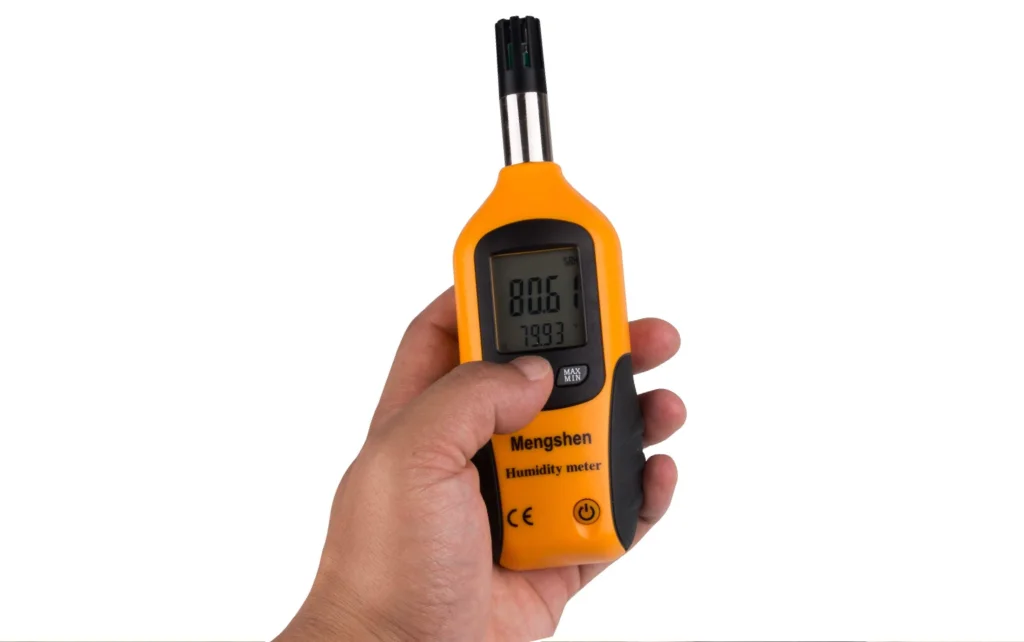
- Relative humidity measured 45.9% at 22.4°C on the top floor and 44.9% at 22.2°C on the ground floor, confirming a healthy indoor microclimate.
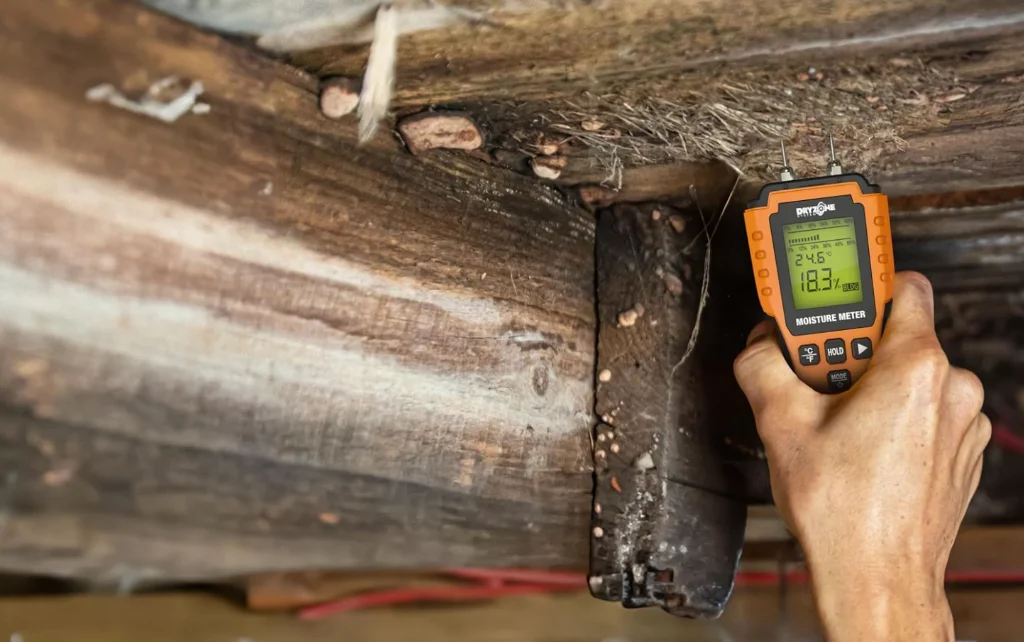
- Moisture meter testing confirmed that the first-floor ceiling stain from a previous bathroom leak was completely dry and inactive.
- Surrounding areas near the kitchen skylights tested completely dry, indicating past water ingress was intermittent and tied to heavy rainfall, gutter debris, or ageing sealant.
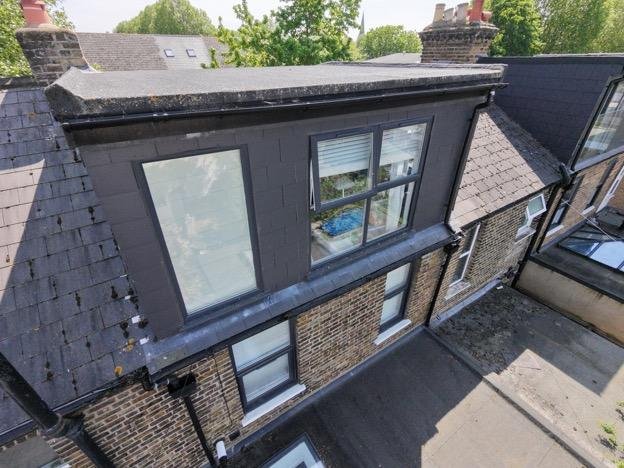
- Aerial drone photography revealed debris accumulation in rear gutters and joint wear on the main roof ridge and rear flat roof felt coverings.
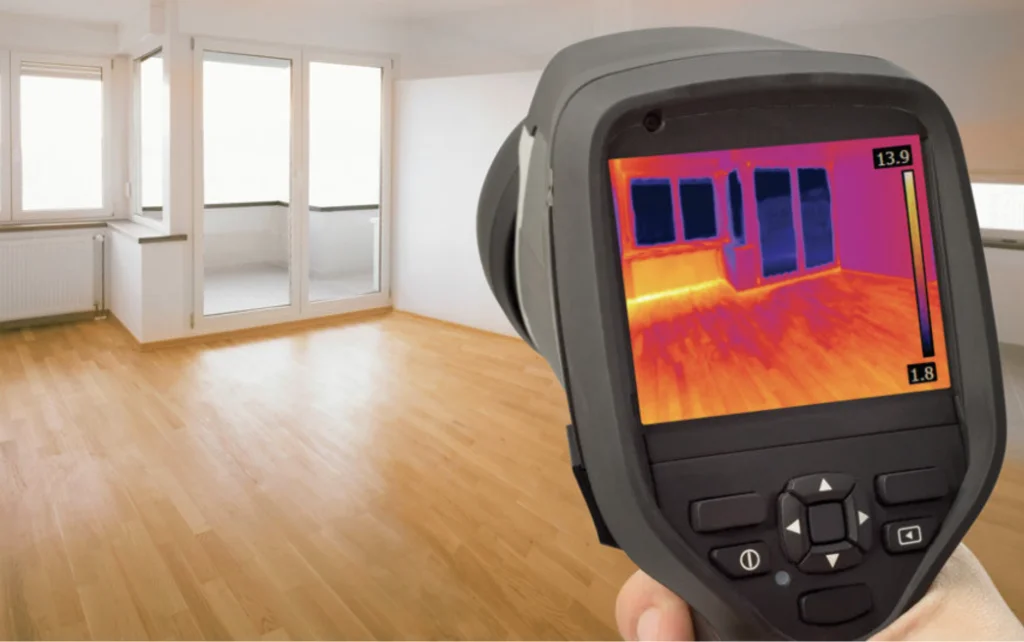
- Thermal imaging scans throughout the house showed no hidden damp or moisture anomalies and structural timbers within the building were clear of dry rot, wet rot and woodworm.
- Inspection of the garden revealed that the external rear timber decking was improperly installed, severely rotten, unstable and collapsing.
The diagnostic reasoning established that no active damp existed inside the house, isolating defects to minor exterior maintenance items and a failing garden deck.
The Solution
To maintain the building envelope and ensure safety, the report outlined a practical maintenance roadmap:
- Clear accumulated debris from the rear guttering to allow unimpeded rainwater drainage.
- Reseal worn joints on the main roof ridge felt and rear flat roof felt coverings.
- Perform preventative maintenance around the kitchen skylight frames and seals.
- Repair or replace the non-functional upper-floor extractor fans while maintaining the working ground-floor fan.
- Dismantle and remove the rotten, collapsing rear timber decking and replace the area with a solid concrete base and proper drainage, or lay flagstones over a prepared concrete substrate.
The Outcome
The property owner gained complete peace of mind, discovering that their home was structurally dry with zero active leaks or internal timber decay. By choosing an independent survey, they avoided thousands of pounds in unnecessary damp proofing treatments, directing their budget strictly toward routine roof maintenance and garden decking replacement.
Why This Case Matters
Staining from resolved plumbing leaks can create lingering fear for homeowners and buyers. Independent diagnostic surveys combine electronic moisture testing with thermal imaging to verify whether moisture patches are active or historic, preventing unnecessary building work when routine exterior maintenance is all that is required.