Level 3 Damp Survey in Walthamstow (E17)

Back to all Case Studies
Level 3 Damp Survey in Walthamstow (E17)

This independent Level 3 damp survey evaluated a multi-storey property located in Walthamstow (E17). Commissioned by the property owner to investigate ceiling stains and skylight moisture, the survey delivered a thorough diagnostic report. The assessment evaluated all internal spaces, subfloors, structural timbers and roof surfaces without commercial bias.

About the Issue

The property owner noticed ceiling marks below an upper bathroom and discoloured finishes near kitchen skylights. Unsure whether the issue pointed to hidden pipe bursts or structural roof failure, they requested an expert diagnostic survey before redecorating.

The Challenge

The surveyor conducted a complete Level 3 investigation across all storeys, testing wall moisture levels, atmospheric humidity, mechanical extractors and high-level roof coverings.

Key diagnostic evidence recorded during the inspection included:

  • Environmental readings recorded healthy indoor air quality, measuring 45.9% RH (22.4°C) on top floors and 44.9% RH (22.2°C) on ground levels.
  • Moisture meters confirmed all internal walls, ceilings and floors were dry, with zero active leaks or rising damp.
  • Thermal camera scans showed normal thermal patterns across all living areas with no concealed water ingress.
  • Inspection of building timbers confirmed zero rot or woodworm, though the external timber decking in the rear garden was severely rotten and collapsing.
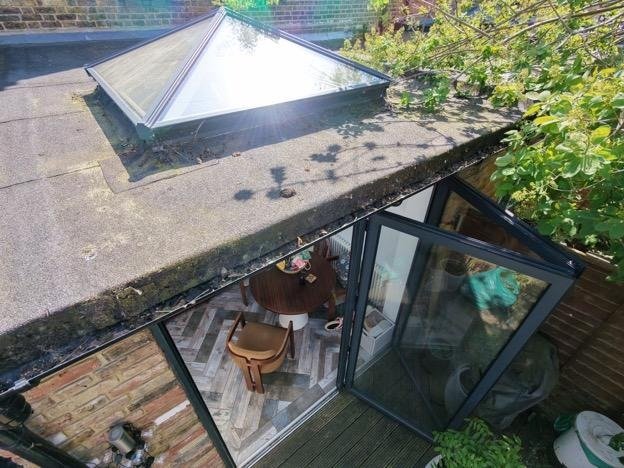
  • Aerial drone photography pinpointed gutter debris accumulation and worn felt joints on the main ridge and rear flat roof.

The findings proved that internal ceiling marks were historic and dry, with active defects restricted to exterior maintenance items.

The Solution

To maintain the property’s watertight condition and eliminate outdoor hazards, the survey recommended the following sequence:

  • Clean out accumulated debris from the rear guttering system.
  • Reseal degraded felt joints along the main roof ridge and rear flat roof.
  • Inspect and refresh perimeter seals around the kitchen skylights.
  • Repair or replace non-operational extractor fans on the upper levels.
  • Remove the rotten external timber decking and construct a solid concrete slab or flagstone terrace with suitable drainage.

The Outcome

The property owner achieved complete peace of mind knowing the house was structurally sound and internal pipework was leak-free. By following an independent diagnostic report, they saved money on unnecessary internal repairs, focusing exclusively on basic roof sealing and garden patio construction.

Why This Case Matters

Unbiased damp surveys separate actual building defects from historic water marks. Verifying that internal surfaces are dry prevents property owners from funding invasive internal plaster stripping when straightforward roof felt maintenance is all that is required.


FAQs
Were any structural building timbers affected by wet or dry rot?

No. All internal structural timbers were inspected and found completely free from dry rot, wet rot and woodworm infestation.

What air humidity levels were recorded during the inspection?

The survey recorded 45.9% relative humidity at 22.4°C on the top floor and 44.9% relative humidity at 22.2°C on the ground floor.

Is internal damp proofing required anywhere in the house?

No. Moisture testing confirmed zero active dampness in any walls, ceilings, or floors, making internal damp proofing completely unnecessary.

Ensure your home receives an honest, evidence-based assessment before undertaking any repairs

Damp Survey Costs

Transparent pricing with no hidden fees for our independent, unbiased surveys.

Level 1

Level 1

£199 + VAT

What’s included:

  • Inspection of walls
  • Inspection of floors
  • Inspection of ceilings
  • Leak inspection of drains and plumbing
  • Damp information and prevention guide
Level 2

Level 2

£299 + VAT

What’s included:

  • Everything in Level 1
  • Dry rot inspection
  • Wet rot inspection
  • Woodworm inspection
  • Damp information and prevention guide

 Survey Add Ons

Add On 1

£299 + VAT
Lab Analysis Of Plaster

Laboratory analysis Of plaster identifies hygroscopic salts such as chlorides and nitrates. which indicate whether damp is caused by rising groundwater or by plumbing leaks, This testing removes guesswork, allowing the exact source of moisture to be identified so the correct treatment is applied rather than carrying out unnecessary damp-proofing work.

Add to Survey

Add On 2

£299 + VAT
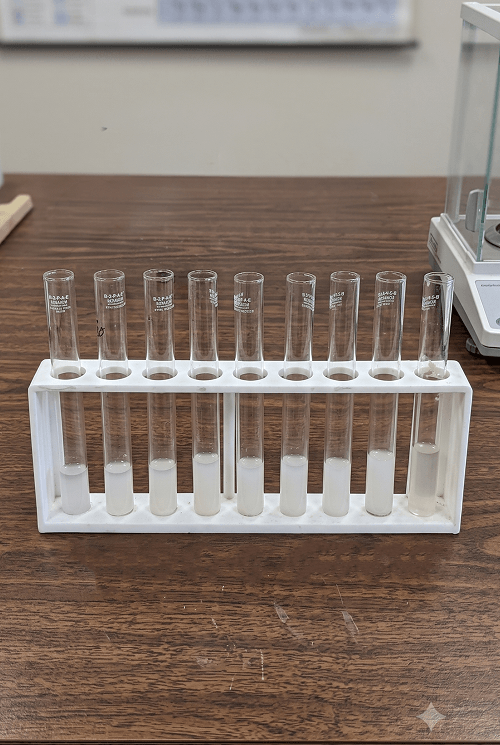
Mould Lab Swab Testing, qPCR on DNA

qPCR DNA mould testing detects microscopic mould spores that are invisible during a normal inspection and van remain hidden behind walls, floors. or inside building rkaterials. It identifies the exact mould species present and the contamination level, allowing hidden mould problems to be confirrned and properly treated before they affect the property or occupants’ health.

Add to Survey

Qualifications: All our surveyors are PCA and CSRT qualified for remedial treatments and also CSSW qualified for structural waterproofing.
Next day report: You will receive the report within 24 hours of the inspection taking place.

These are the tools we use

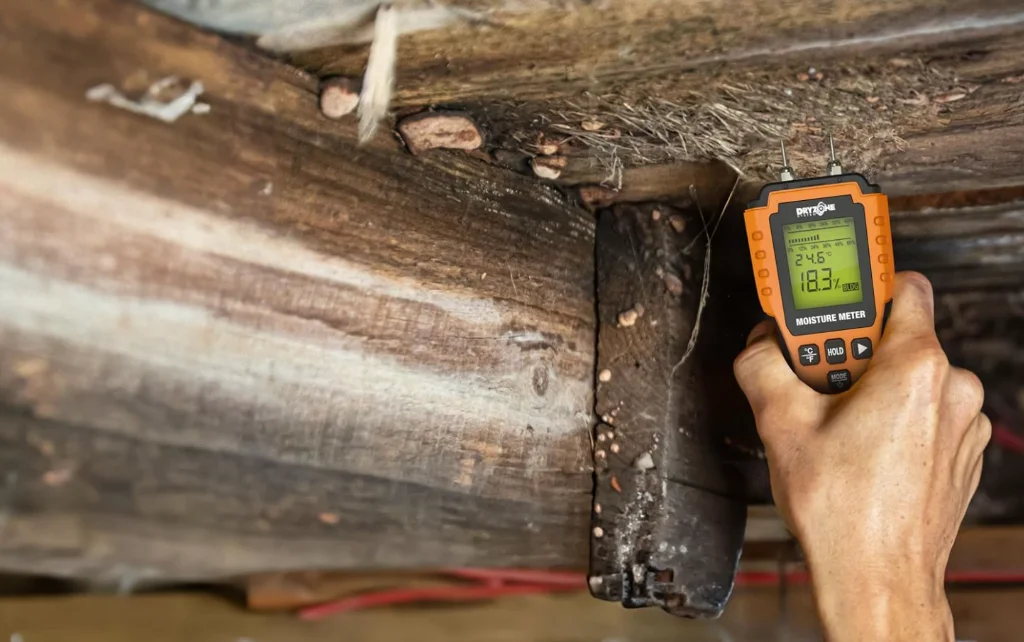
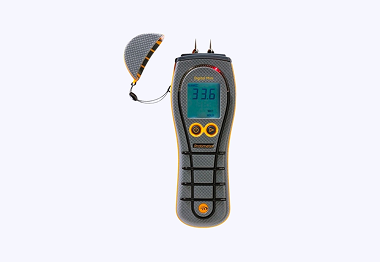
Damp Meter

Damp Meter

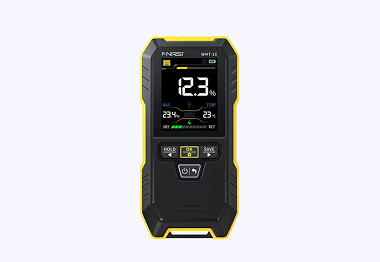
A damp meter is a diagnostic tool used to detect and measure moisture levels within building materials such as plaster, brick, timber, and concrete.

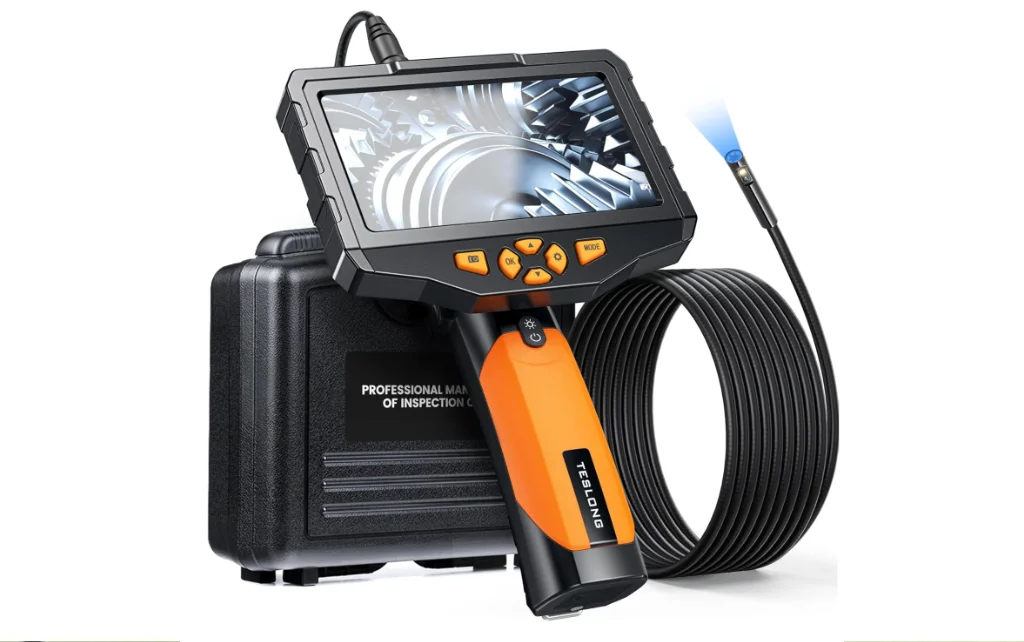
Borescope camera

Borescope camera

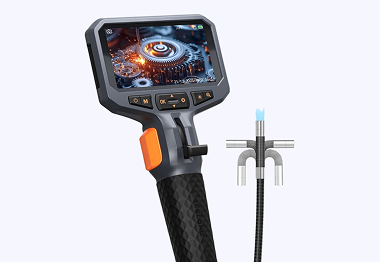
borescope camera is a small inspection camera attached to a flexible semi-rigid cable that allows you to see inside areas that are otherwise inaccessible.

Drone Inspection

Drone Inspection

A drone is a remotely operated aerial device equipped with a camera that allows visual inspection from above without the need for scaffolding or ladder.

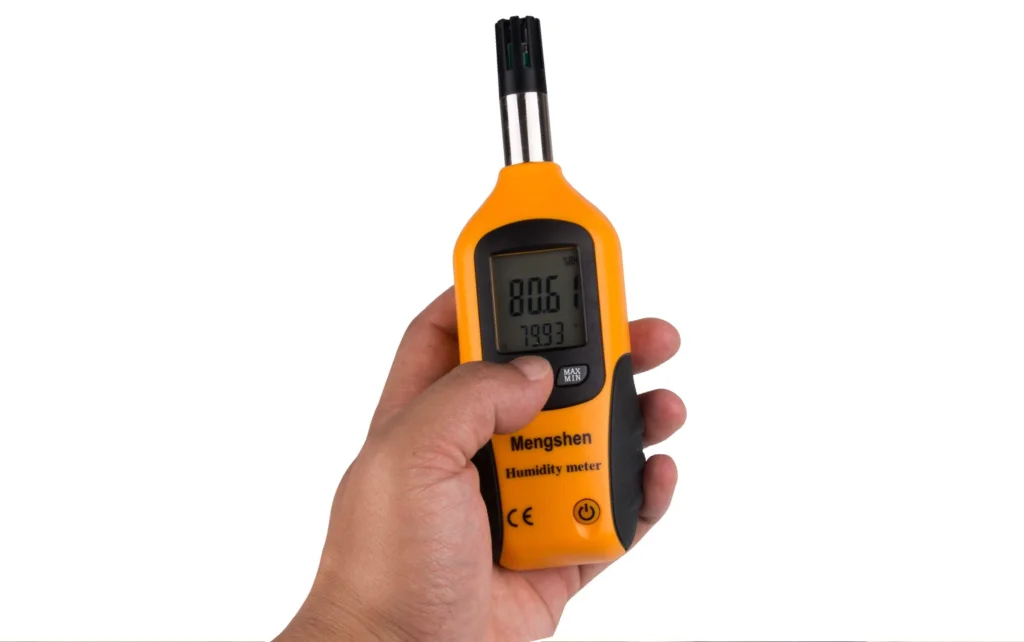
Air Humidity Sensor

Air Humidity Sensor

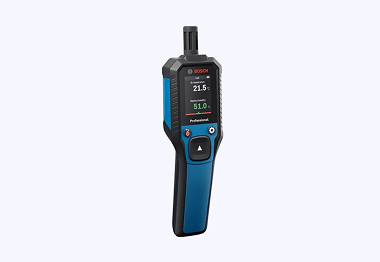
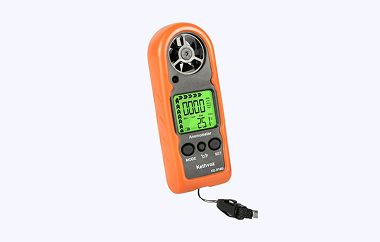
Air humidity sensor measures the amount of moisture present in the air, expressed as relative humidity (RH) in percentage. It helps determine whether indoor conditions are contributing to condensation, mould growth, or damp-related issues.

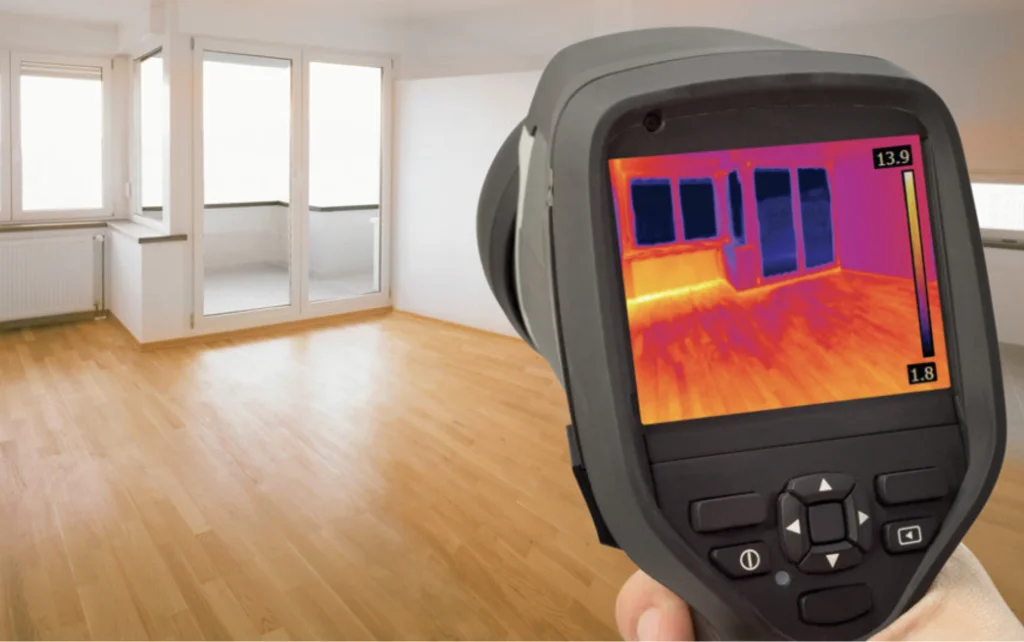
Thermal Imaging Camera

Thermal Imaging Camera

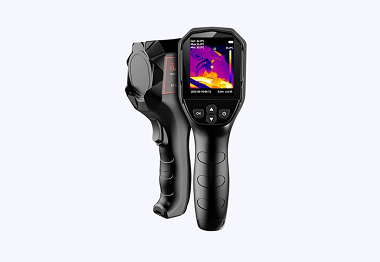
A thermal imaging camera detects temperature differences on surfaces by using infrared technology to produce a heat map image. In damp investigations, it helps identify cold spots, moisture intrusion, insulation defects, thermal bridging and leaks.

Air Flow Ventilation Detector

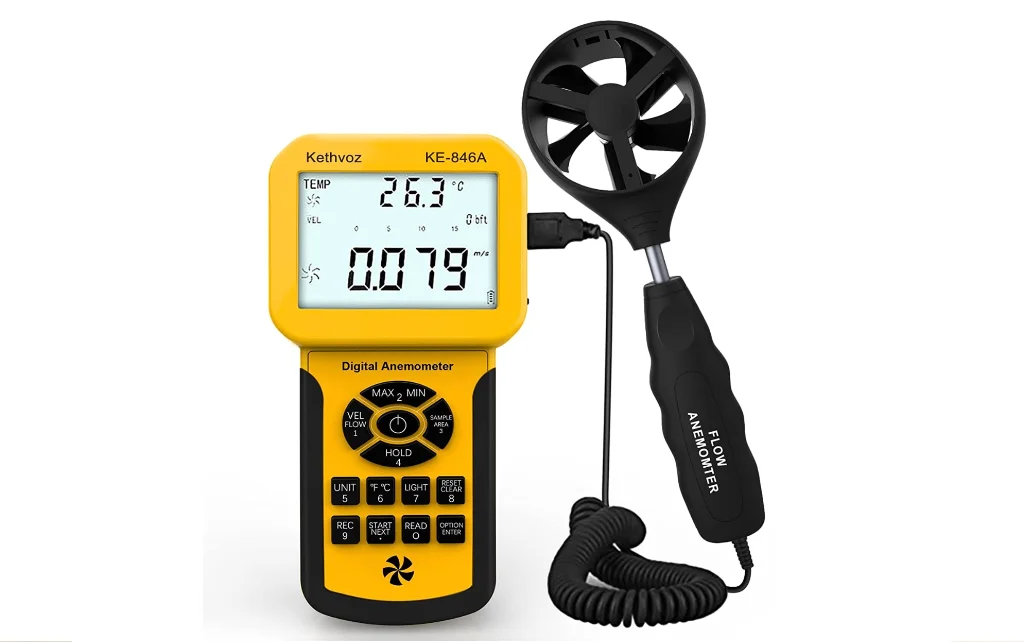
Air Flow Ventilation Detector

An air flow ventilation detector measures the movement and volume of air passing through vents, extractor fans, and air bricks. It confirms whether ventilation systems are working properly and achieving adequate air changes within a room. Poor airflow leads to trapped moisture, high humidity, condensation on cold surfaces, and ultimately mould growth.

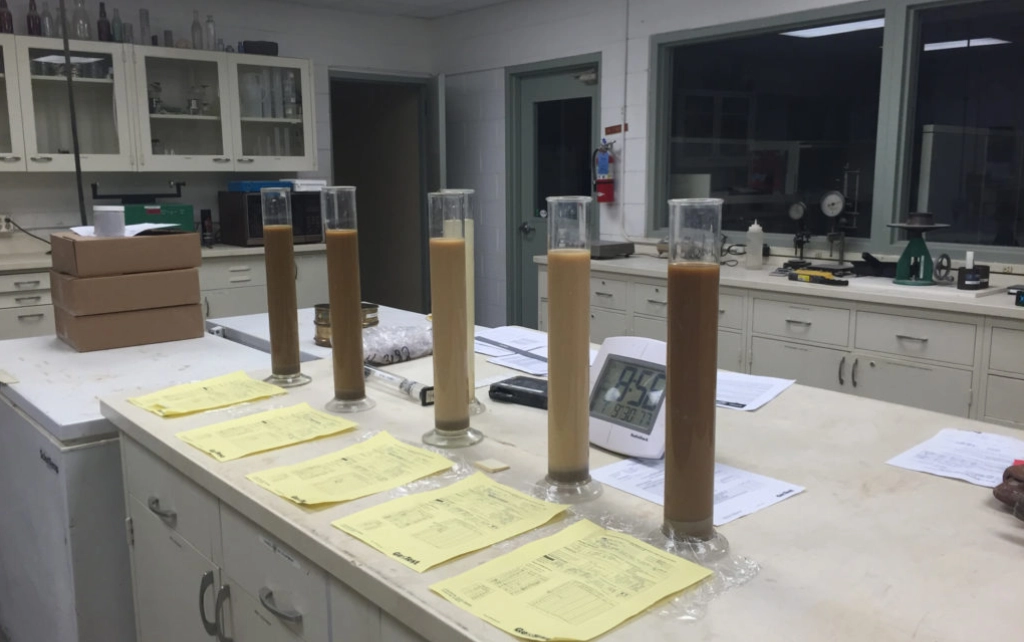
Mould Lab Swab Testing

Mould Lab Swab Testing

A mould swab test is carried out to confirm the presence of hidden mould growth and identify the specific species involved. Surface mould is not always visible, especially behind furniture, inside cavities, or within ventilation systems. Laboratory analysis of a swab sample determines whether active mould spores are present and what type they are, which helps assess potential health risks and decide the correct remediation approach rather than relying on visual assumption alone.

Lab Analysis of Plaster

Lab Analysis of Plaster

Laboratory analysis of plaster is used to identify the type of salts present within the material, typically chlorides and nitrates. The presence and concentration of these salts help determine whether the moisture source is consistent with rising damp, ground contamination, or another forms [sic] of water ingress. such as mains water leak, This removes guesswork and prevents misdiagnosis, ensuring the correct remedial treatment is specified rather than applying unnecessary or ineffective solutions.

Professional Survey Equipment

Surface Damp Meter

Purpose:

Takes comparative surface moisture readings across accessible walls, floors, ceilings and building joinery.

Common Uses / Notes:

Maps surface moisture profiles to help identify rising damp, penetrating damp, condensation, or active plumbing leaks.

Deep-Penetration Damp Meter

Purpose:

Detects moisture changes deep below the immediate surface of structural materials without destruction.

Common Uses / Notes:

Evaluates dampness within wall cores, beneath floorboards, inside subfloors and behind finishes without removing plaster.

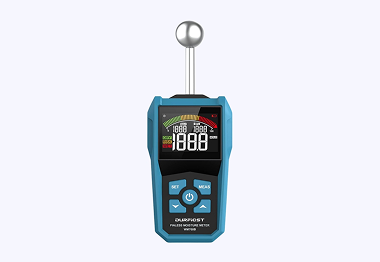
Non-Invasive Moisture Scanner

Purpose:

Scans surface planes non-invasively without inserting pins or probes into decorated finishes.

Common Uses / Notes:

Checks decorated walls, tiled surfaces and delicate floor coverings to trace sub-surface water migration non-destructively.

HD Borescope Inspection Camera

Purpose:

Provides high-definition visual examination inside enclosed, narrow, or inaccessible building cavities.

Common Uses / Notes:

Inspects subfloor voids, wall cavities, dry lining and enclosed pipework to locate leaks and defects with minimal disruption.

4K Inspection Drone

Purpose:

Captures high-resolution imagery and video of high-level external structures and rooflines.

Common Uses / Notes:

Inspects roof tiles, chimney stacks, lead flashing, parapet walls, valleys and gutters to locate water ingress sources.

Air Humidity Sensor

Purpose:

Measures ambient air temperature and relative humidity (%RH) levels within living areas.

Common Uses / Notes:

Determines whether atmospheric moisture, cold bridging, or insufficient ventilation supports surface condensation and mould growth.

Thermal Imaging Camera

Purpose:

Visualises surface temperature differentials across walls, ceilings and floors.

Common Uses / Notes:

Detects cold spots, missing insulation, thermal bridges, evaporative cooling zones and concealed water leaks.

Airflow & Ventilation Detector

Purpose:

Measures volumetric air extraction performance (L/s or m3/h) of mechanical extractor fans.

Common Uses / Notes:

Tests kitchen, bathroom and utility fans to verify compliance with UK Building Regulations Part F and control condensation.

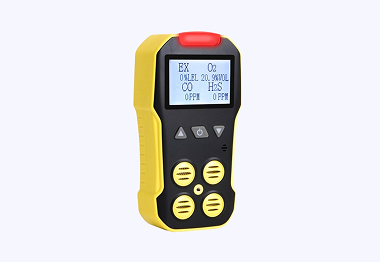
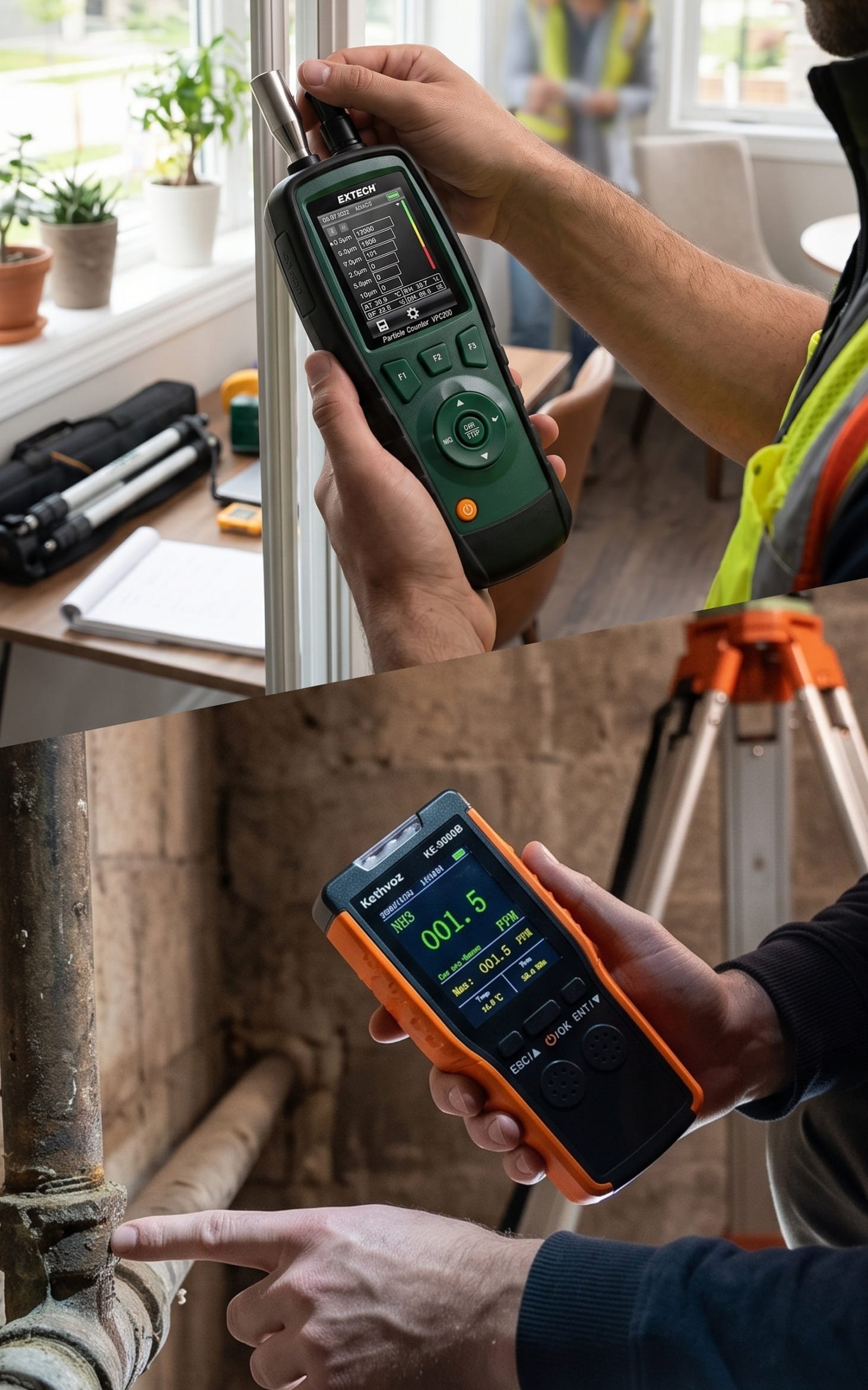
Gas Screening Instrument

Purpose:

Screens indoor environments for sewer gas intrusion, combustible gases and combustion concerns.

Common Uses / Notes:

Traces foul odours, soil stack leaks and sewer gases (H2S, NH3, CH4, CO, O2). Does not replace Gas Safe registered safety checks.

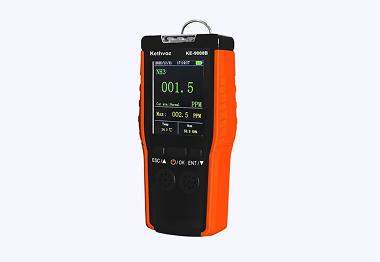
Chemical Vapour Detector

Purpose:

Screens air for Volatile Organic Compounds (TVOC/VOC) and chemical substances like formaldehyde (HCHO).

Common Uses / Notes:

Investigates unexplained chemical odours, building material off-gassing, post-flood air safety and indoor air quality.

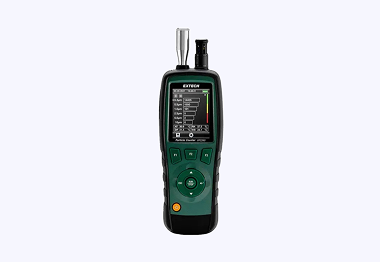
Airborne Particle Detector

Purpose:

Measures airborne particulate concentrations across precise micron size ranges (PM1.0, PM2.5, PM10).

Common Uses / Notes:

Assesses fine dust, smoke, airborne matter and environmental air quality following water damage or mould outbreaks.

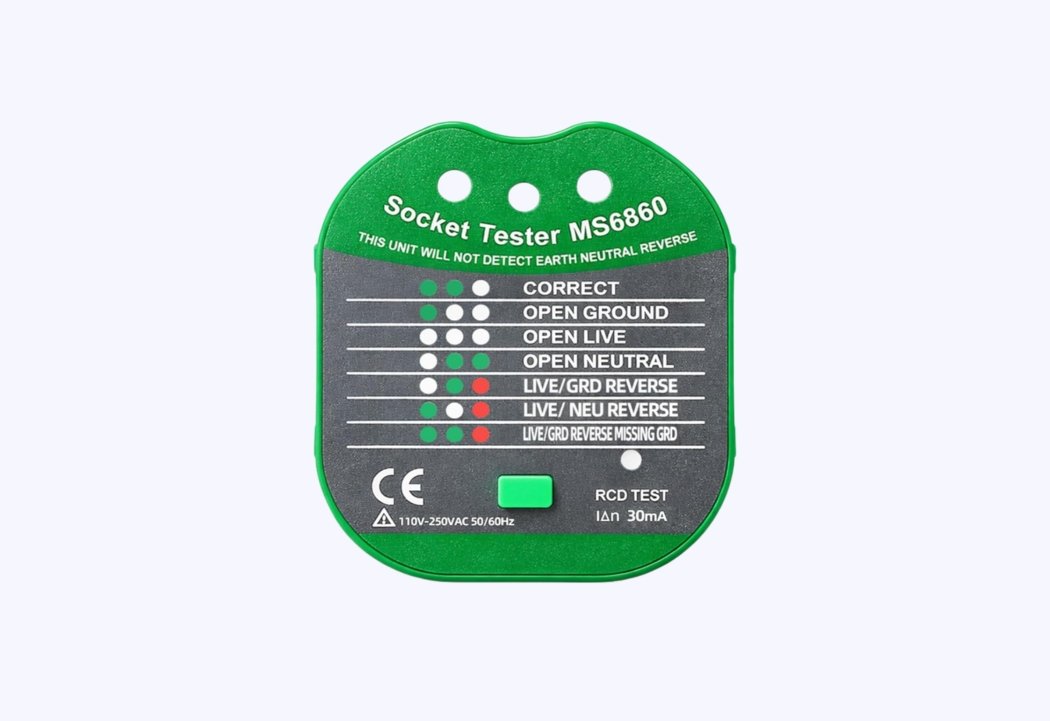
Electrical Socket & RCD Tester

Purpose:

Provides basic safety and protective circuit screening in areas affected by dampness.

Common Uses / Notes:

Identifies socket wiring faults, tests RCD trip functions and checks AC voltage in wet areas. Does not replace an EICR.

Survey Levels & Package Specifications

Select Your Survey

Level 1

Standard Damp Survey

Standard price: £299 + VAT

Promotional Price: £199 + VAT (Limited Time Offer)

Offer ends in--Days--Hours--Mins--Secs

The Level 1 service is a straightforward inspection of the main accessible areas for visible damp, leaks and moisture-related defects.

Equipment provided

  • Surface damp meter

Inspection coverage

  • Accessible walls
  • Accessible floors
  • Accessible ceilings
  • Visible drains and plumbing for signs of leakage
  • Damp information and prevention guide

Who should choose Level 1?

Level 1 is suitable for relatively simple concerns, including a visible damp patch, suspected rising damp, minor staining or a general moisture check.
It is intended for customers who require a basic inspection using a damp meter and do not need deeper moisture testing, thermal imaging, timber investigation, ventilation measurements or roof-level drone imagery.

Level 2

Detailed Damp & Timber Survey

Standard price: £399 + VAT

Promotional Price: £299 + VAT (Limited Time Offer)

Offer ends in--Days--Hours--Mins--Secs

Level 2 contains the accessible checks included with Level 1 and adds deeper moisture detection and inspections for common timber defects.

Equipment provided

  • Surface damp meter
  • Deep-penetration moisture meter
  • Non-invasive moisture scanner

Inspection coverage

  • Walls, floors and ceilings
  • Visible drains and plumbing for signs of leakage
  • Wet rot
  • Dry rot
  • Woodworm
  • Timber decay
  • Deeper moisture investigation
  • Non-invasive scanning of accessible floor and subfloor areas
  • Damp information and prevention guide

Who should choose Level 2?

This survey is appropriate when moisture may be concealed behind finishes or within building materials. It is also suitable when there are concerns about wet rot, dry rot, woodworm or general timber deterioration.

Level 2 is a useful choice for buyers and sellers who want a more comprehensive inspection than the basic Level 1 service but do not require the complete advanced equipment package or drone inspection included with Level 3.

Optional Laboratory and Air-Quality Services

Add-On 1

Laboratory Testing of Plaster Samples

Price £299 + VAT

Small plaster samples are carefully taken from affected walls and submitted to an independent laboratory for salt analysis. The laboratory tests for the presence and precise concentration of hygroscopic salts, including nitrates and chlorides.

Diagnostic Value: Soluble ground salts are drawn up through masonry during rising damp and remain in plaster permanently. Salt analysis scientifically differentiates true rising damp from condensation or historic leak contamination.

Note: Plaster sampling requires minor material removal and is our only add-on involving minor invasive work.

Add-On 2

Mould Laboratory Testing & qPCR DNA Analysis

Price £299 + VAT

Surface swab or lift samples are submitted to an accredited laboratory for advanced qPCR DNA analysis.

Diagnostic Value: Accurately identifies exact mould species, measures contamination concentrations and detects hidden fungal growth inside cupboards or behind dry lining. Delivers impartial scientific evidence to guide safe environmental remediation.

Testing may be helpful when:

  • Musty odours persist
  • Mould continually returns after cleaning
  • Previous flooding or leaks have occurred
  • Contamination is suspected behind furniture or within cupboards
  • Growth may be concealed in restricted locations
  • Additional evidence is required before remedial work
  • Occupants have concerns about the internal environment

Results can help establish whether contamination appears limited or more significant and whether it may be connected to an underlying moisture problem. Testing applies to the locations sampled and should be interpreted alongside the property inspection.

Add-On 3

Gas, Chemical Vapour & Airborne Particle Testing

Price £299 + VAT

Comprehensive environmental air quality and gas screening tailored to specific property concerns.

Screening Suite Includes:

  • Indoor air quality indicators — IAQ
  • Volatile organic compounds —
  • TVOC/VOC
  • Formaldehyde — HCHO
  • Fine particles — PM1.0, PM2.5 and PM10
  • Dust and smoke particles
  • Sewer gas indicators — H2S, NH3 and CH4
  • Combustible gas screening — CH4 and C3H8
  • Carbon monoxide — CO
  • Hydrogen sulphide — H2S
  • Ammonia — NH3
  • Oxygen concentration — O2
  • Ventilation and stale-air assessment
  • Drain-odour investigation
  • Chemical-smell investigation
  • Post-leak air and surface-condition screening
  • Combustion gas indicators
  • Off-gassing from building materials
  • General airborne pollutant screening

Diagnostic Value: Identifies hidden airborne pollutants, drain odours, chemical off-gassing and stale air problems.

Note: This service is intended as preliminary screening. It does not replace emergency gas-leak procedures, professional gas appliance testing, specialist occupational-hygiene assessments or comprehensive laboratory air sampling.

Contact Us

For an in-depth survey of your property or simply to talk to one of our damp proofing specialists in London

Book and Pay for a survey

If you are ready to book a survey and pay, please complete this form:

Book Survey