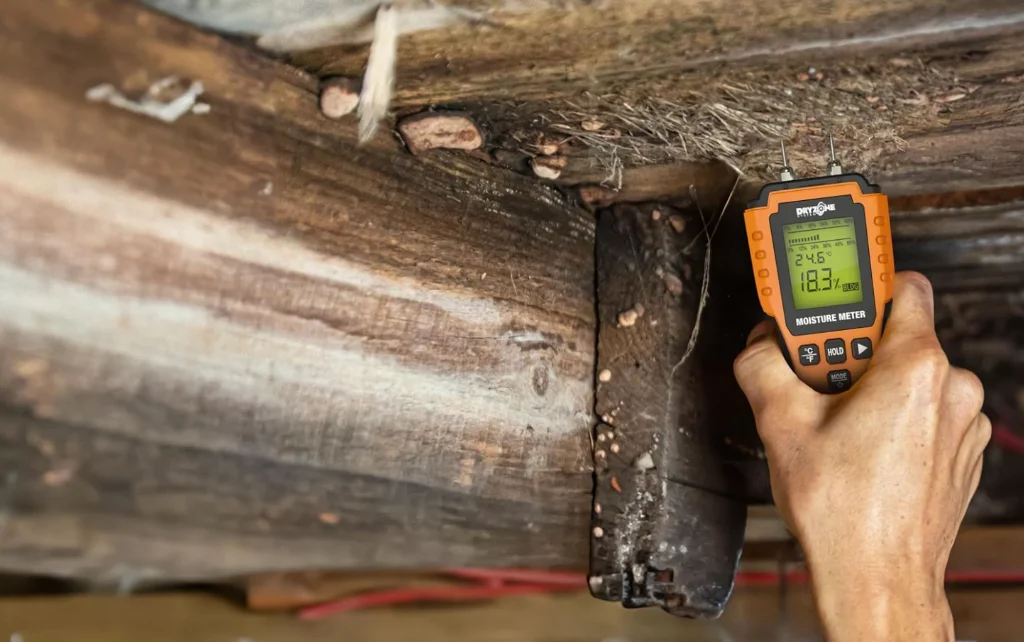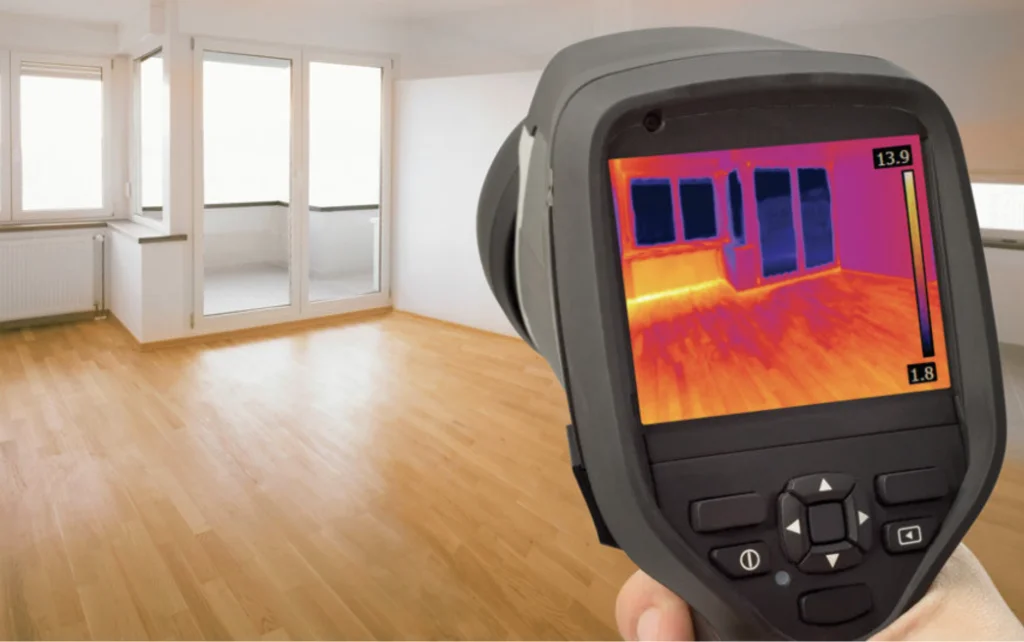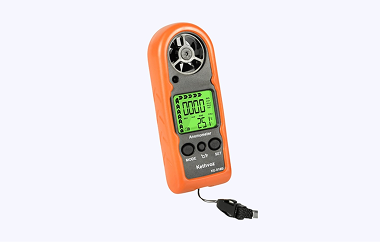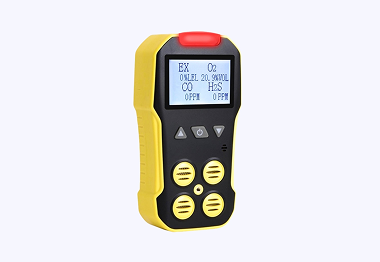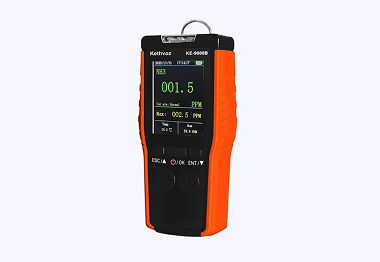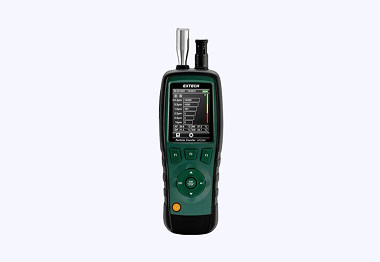
An independent Level 2 damp survey was commissioned for a residential property in Streatham (SW16). The property owner arranged the inspection following concerns regarding a suspected water leak originating from the ceiling and loft space. Instructing an unbiased diagnostic survey ensured the owner received an objective health check based on direct physical testing rather than commercial assumptions.
About the Issue
The homeowner noticed a localised damp patch forming on the bedroom ceiling alongside water staining surrounding a nearby skylight. Fearing that the building was suffering from widespread penetrating damp, rising damp, or an active plumbing leak, they requested an independent evaluation before instructing trades.
The Challenge
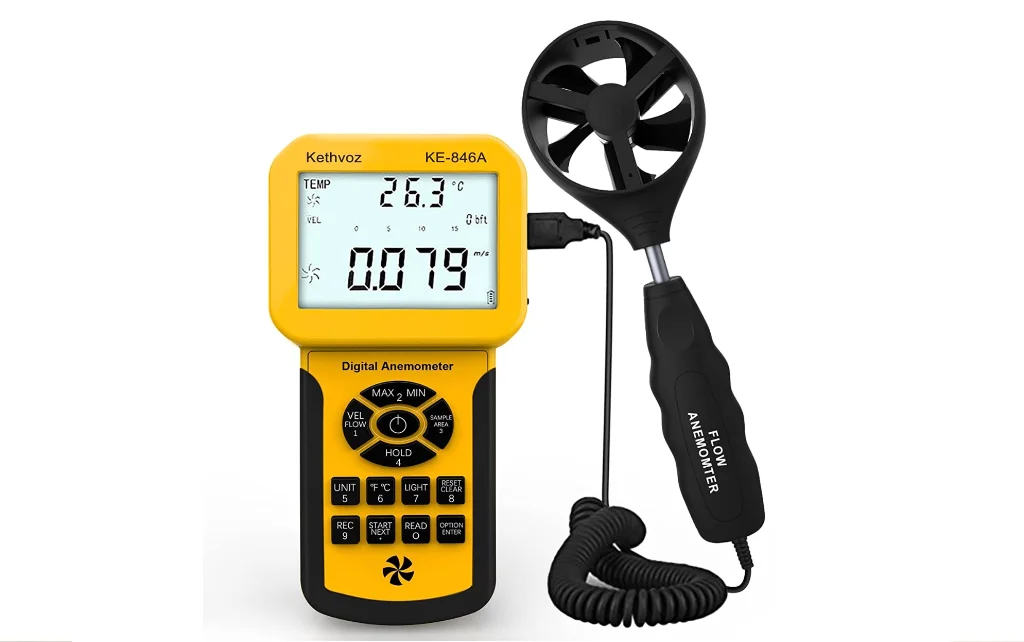
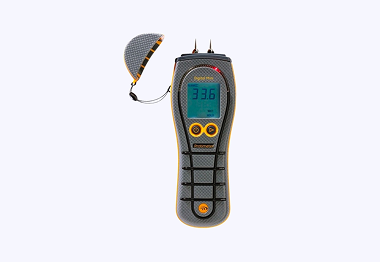
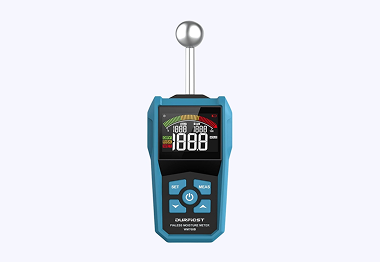
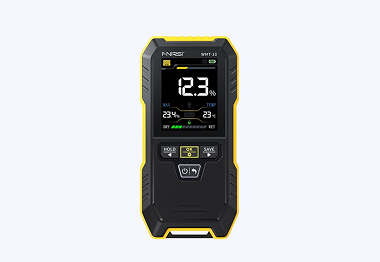
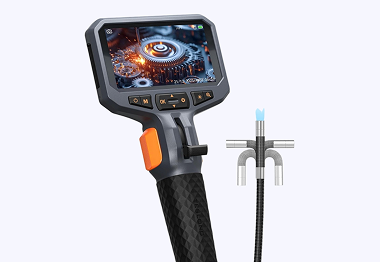
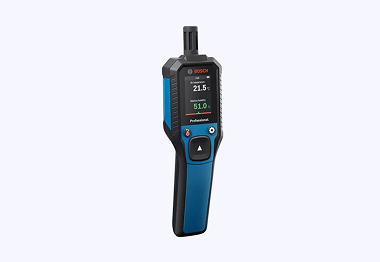
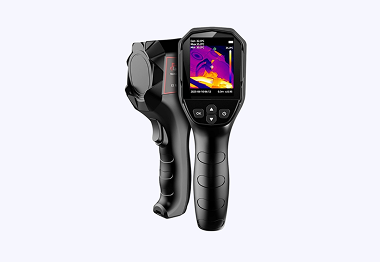
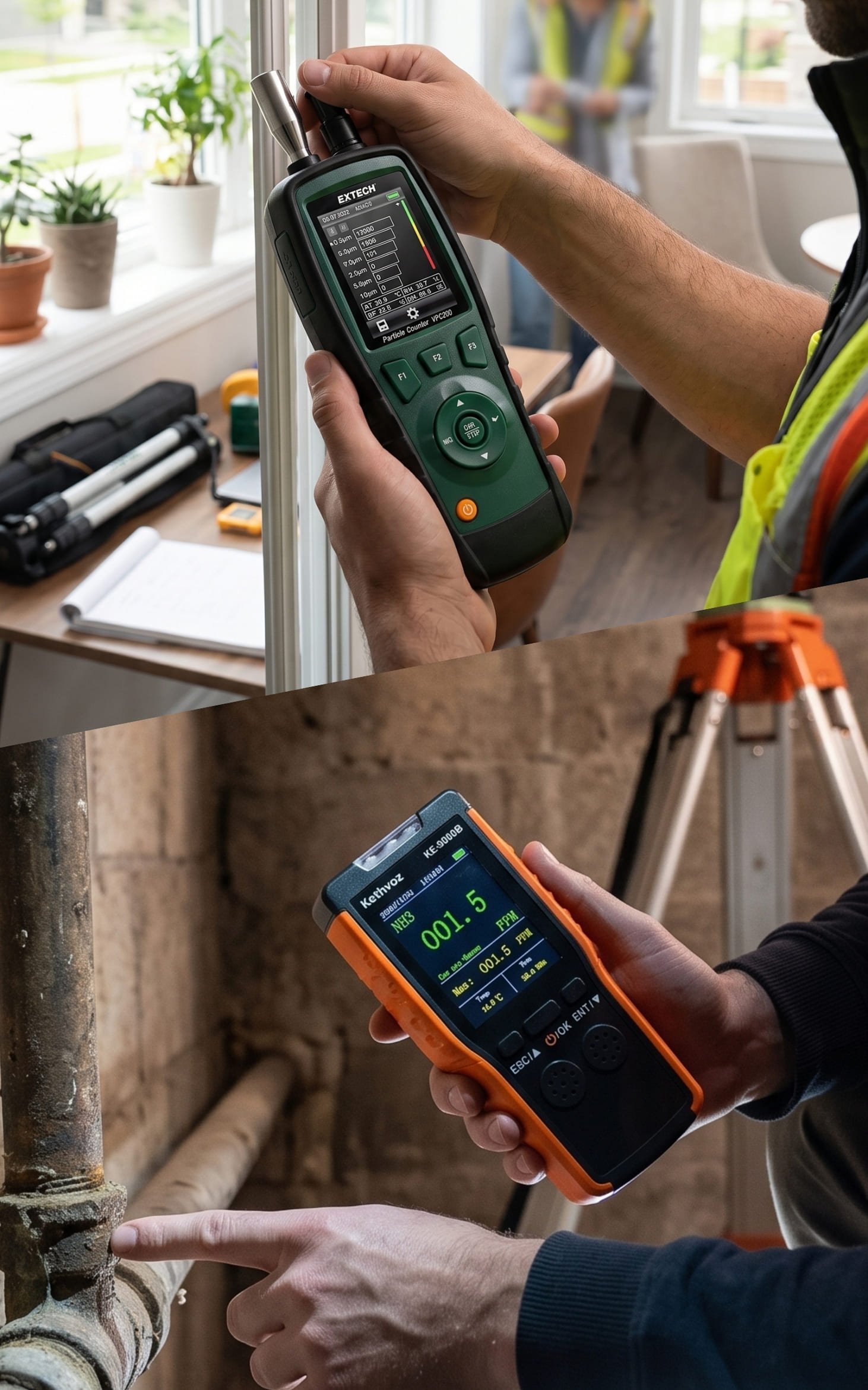
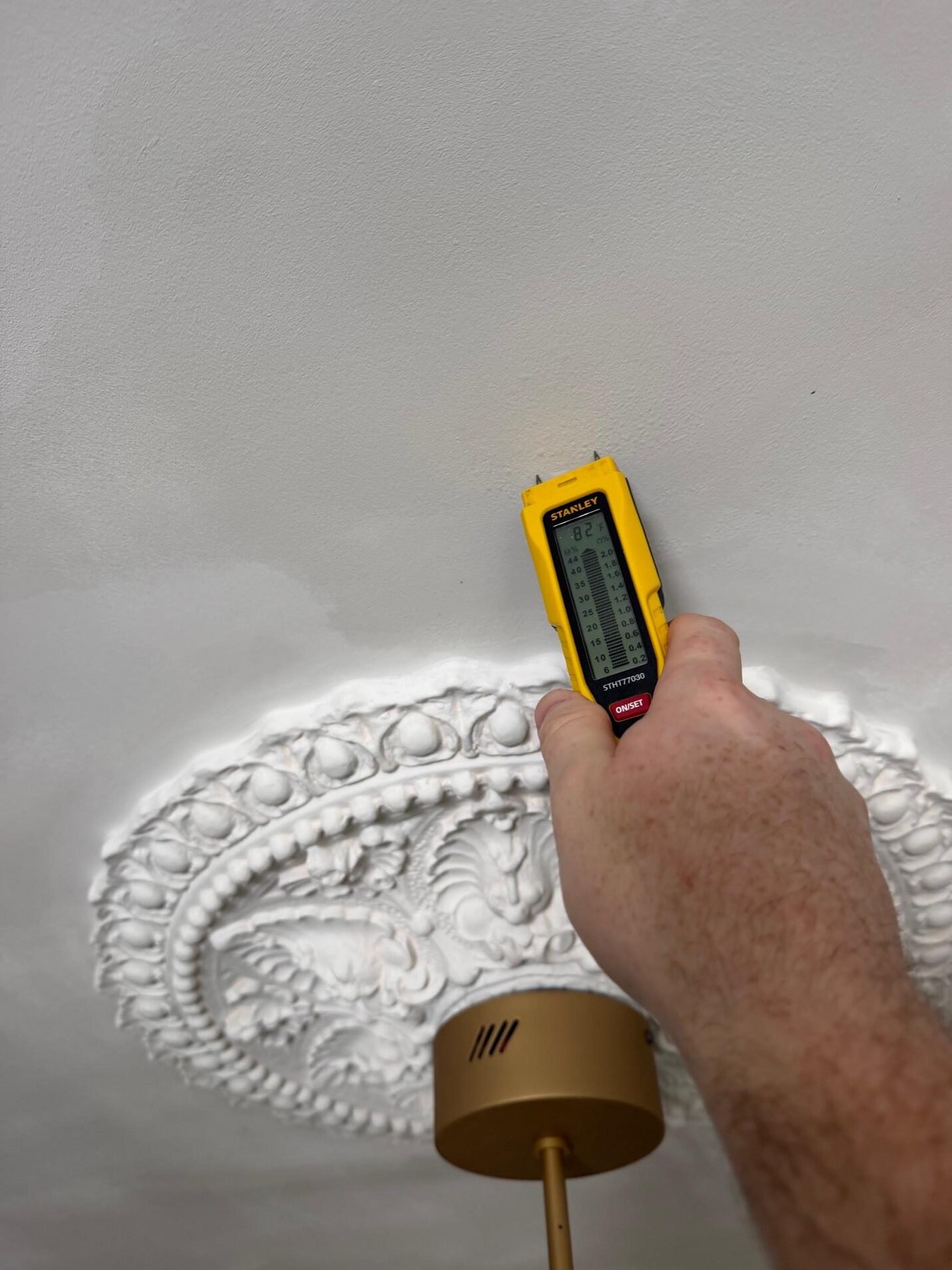
Executing a Level 2 damp survey required testing all accessible internal walls, floors and ceilings using electronic moisture meters alongside external visual inspections. The primary goal was to trace the moisture pathway and establish whether the ingress was driven by structural defects, plumbing, or roof faults.
Diagnostic testing and visual observations produced clear evidence:
- Moisture meter testing across all accessible internal walls and ground floors returned normal, dry readings with no evidence of rising or widespread penetrating damp.
- No active internal plumbing leaks were detected anywhere within the living spaces or ceiling voids.
- One damp spot was identified on the bedroom ceiling, showing localised moisture entering from above during rainfall and tracking through the roof structure.
- Discolouration and staining were observed around a skylight, confirming a second point of water entry.
External inspection confirmed that the roof required maintenance. Several sections of external render were cracked and worn, while areas of the roof covering, tiles, flashings and skylight seals were improperly sealed, allowing rainwater penetration behind the building envelope.
The Solution
To stop ongoing rainwater ingress and allow internal finishes to dry naturally, the survey outlined a practical action plan:
- Instruct a competent roofing contractor to check and repair defective, loose, or cracked roof tiles, cracked render, flashings and roof junctions.
- Ensure surrounding skylight seals and flashings are thoroughly inspected and made fully watertight.
- Allow affected internal ceiling areas to dry completely post-repair before undertaking decorative reinstatement.
- Treat minor surface staining with a stain-blocking primer prior to repainting, or perform localised plasterboard replacement if materials have softened or deteriorated.
The Outcome
The property owner received total clarity regarding their building’s moisture status. By establishing that the walls and floors were dry, the independent report saved the owner from paying for unnecessary internal damp-proofing or plastering, directing their budget solely toward essential roof repairs.
Why This Case Matters
Ceiling stains and overhead moisture patches often prompt fears of severe structural dampness. Independent diagnostic surveys evaluate the entire building envelope, isolating high-level roof defects from wall masonry so property owners solve the true leak source without funding unneeded interior works.