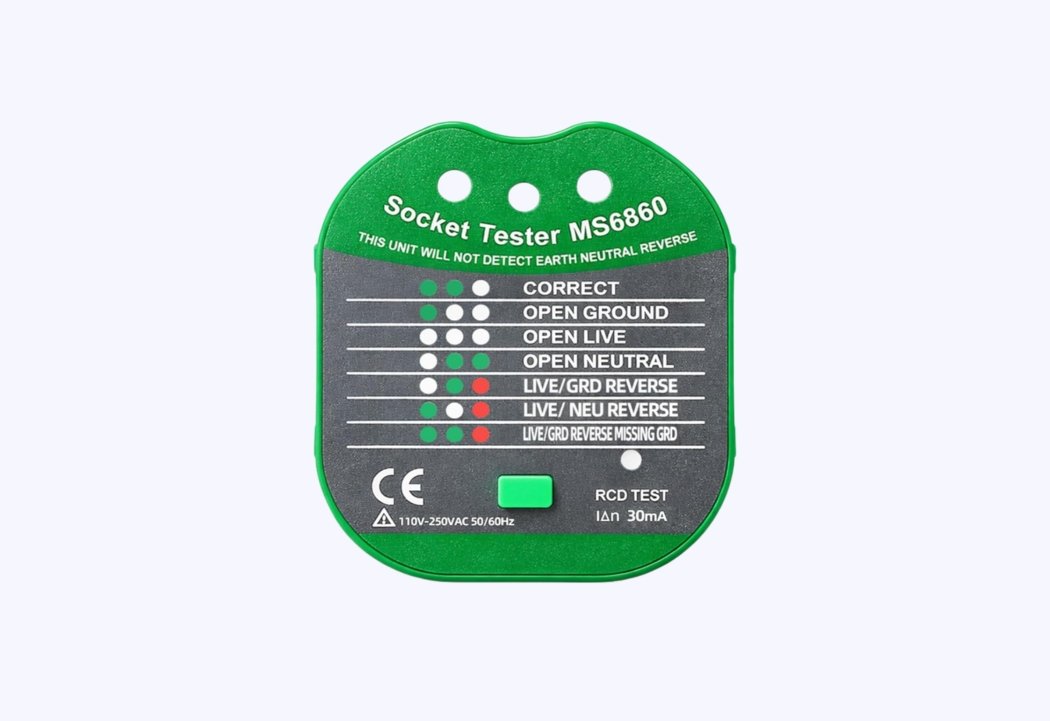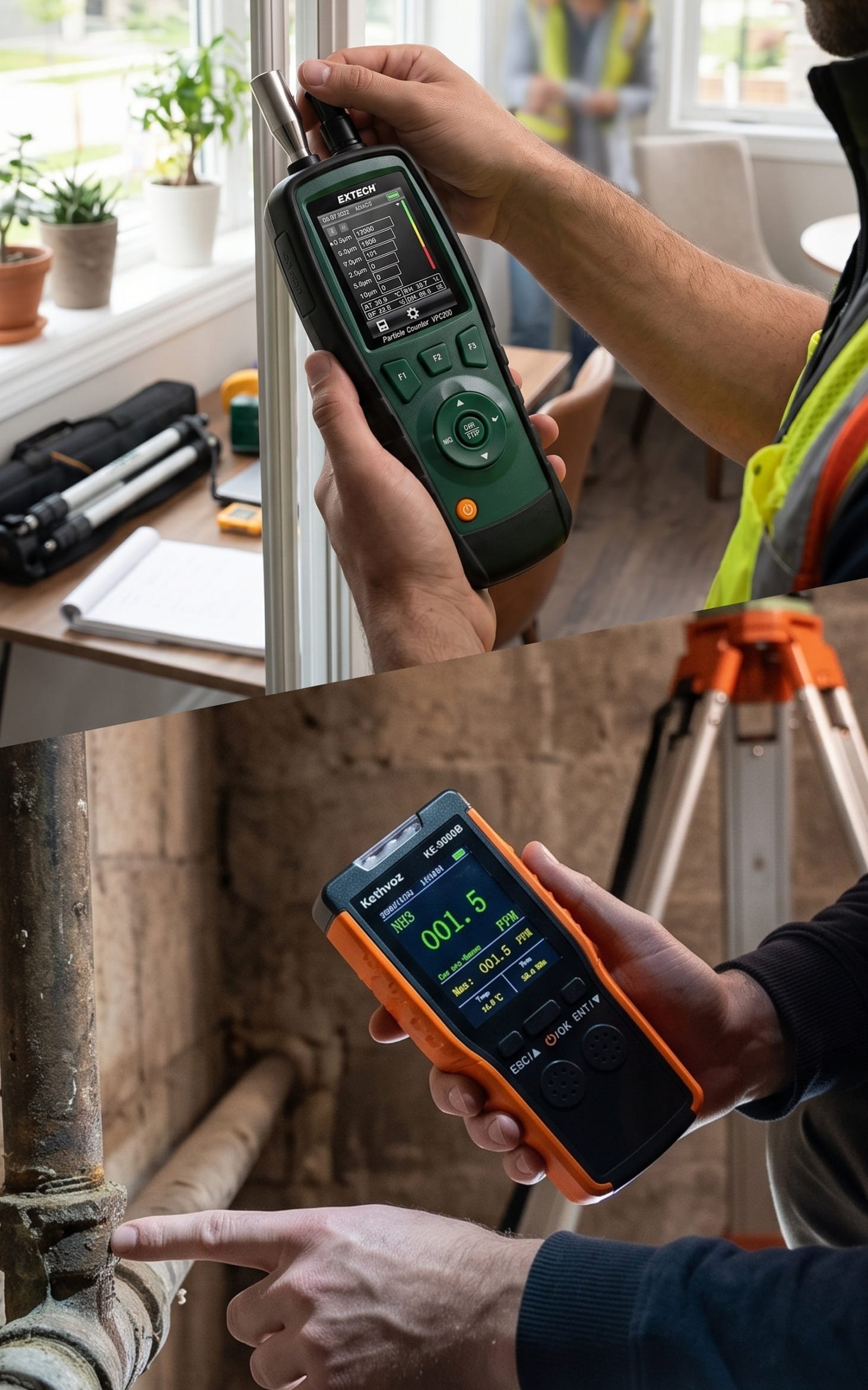
This independent Level 2 damp survey evaluated a residential property located in Streatham (SW16). Commissioned by the property owner to investigate top-floor moisture marks, the survey delivered a detailed, evidence-based assessment. The inspection offered an objective health check without commercial sales pressure.
About the Issue
The property owner noticed localised water staining around a skylight and a distinct damp patch on the bedroom ceiling. Unsure whether the issue pointed to subfloor moisture, pipe failure, or roof defects, they requested a professional inspection.
The Challenge
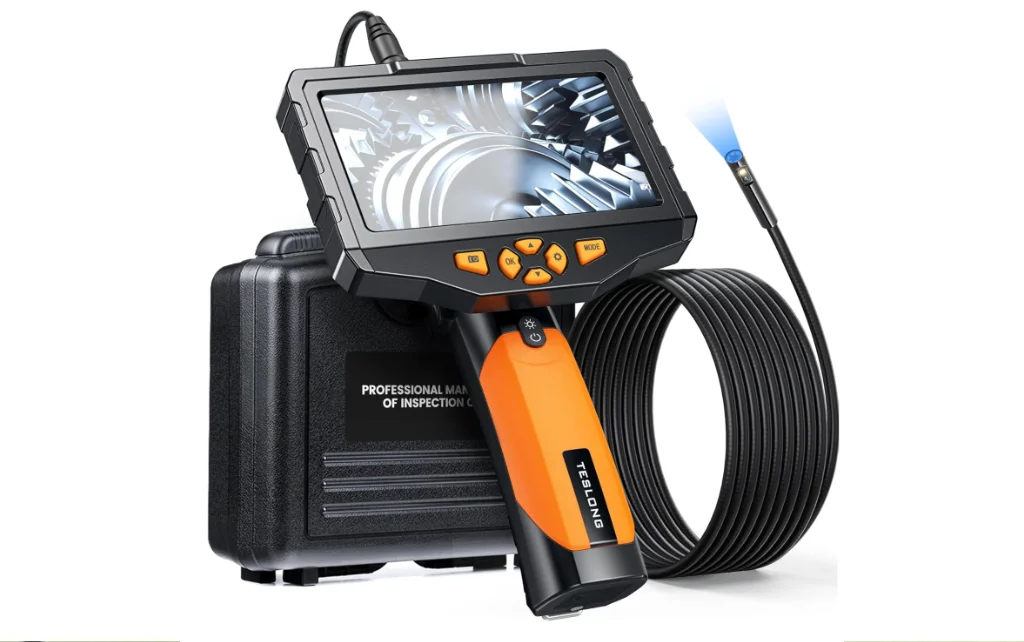
The surveyor performed a thorough Level 2 damp investigation across all accessible rooms, evaluating wall masonry, floor slabs, ceiling structures and high-level weatherproofing.
Testing and visual observations gathered clear factual evidence:
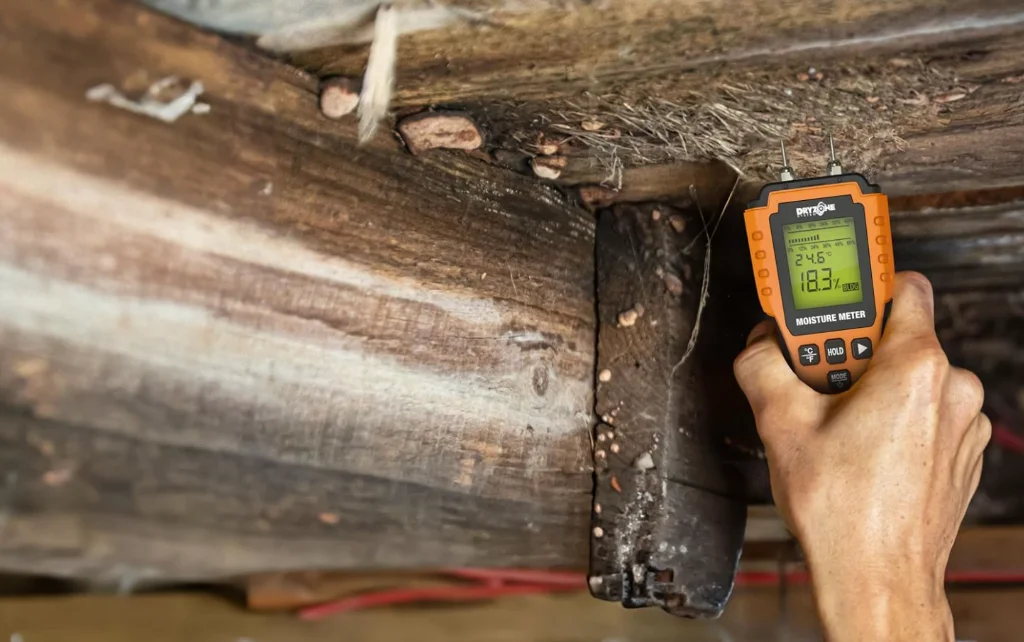
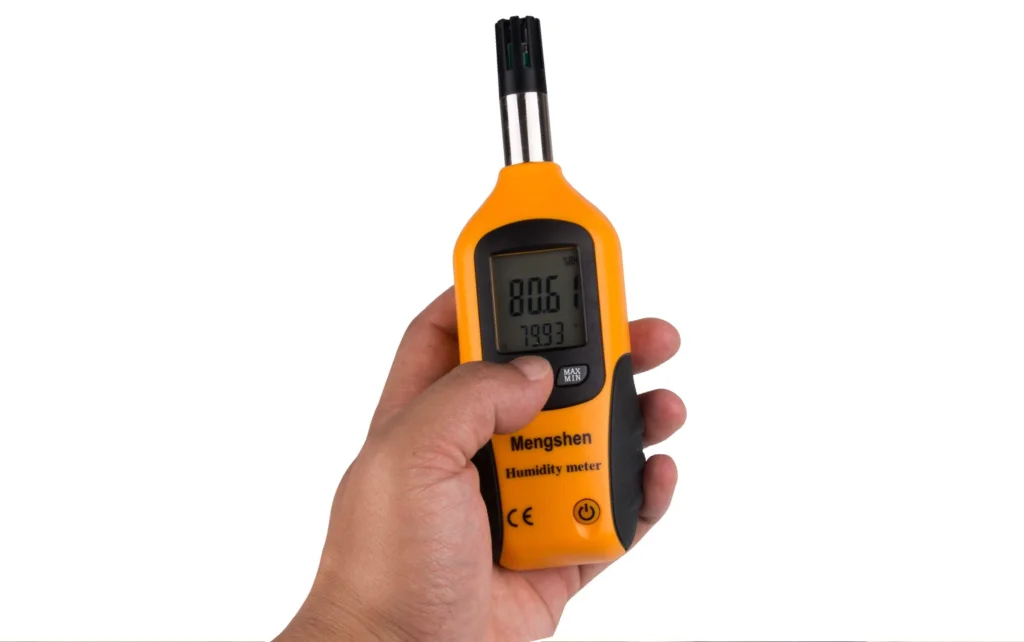
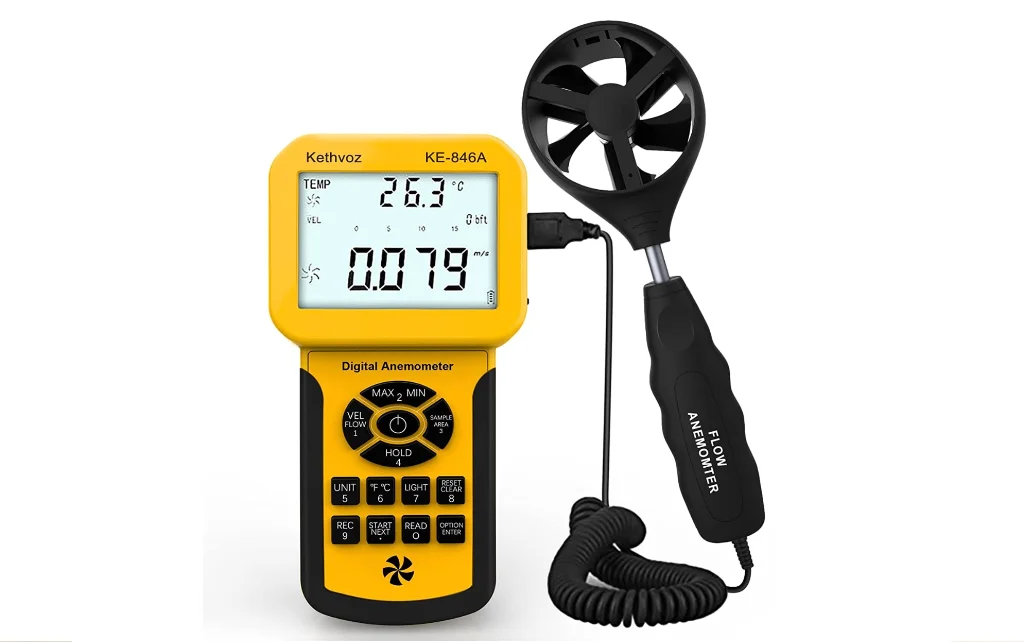
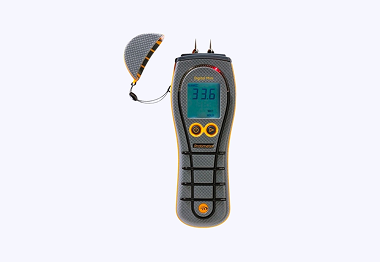
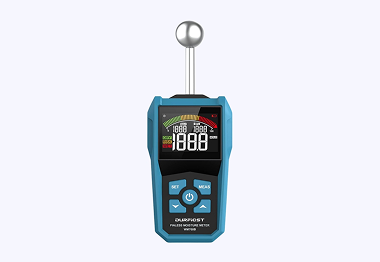
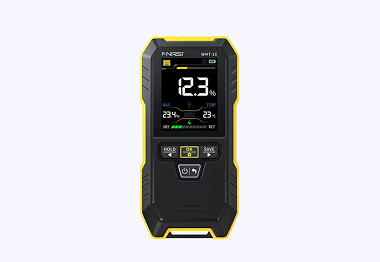
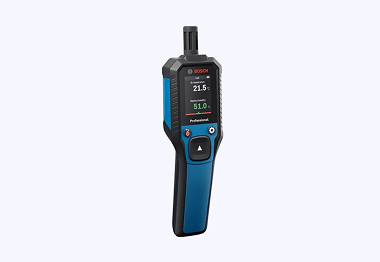
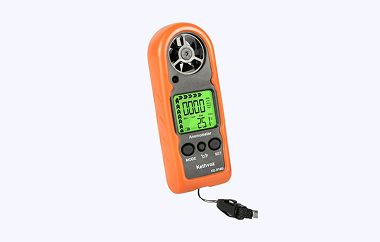
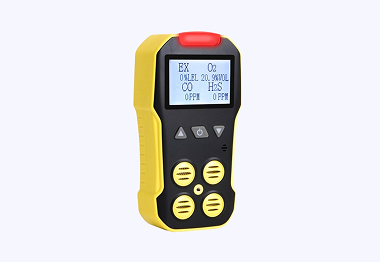
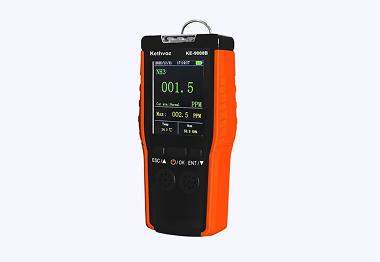
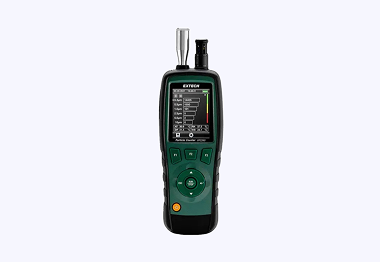
- Moisture meters confirmed internal walls and floors were completely dry throughout the house.
- No evidence of rising damp, widespread wall dampness, or internal plumbing leaks was identified.
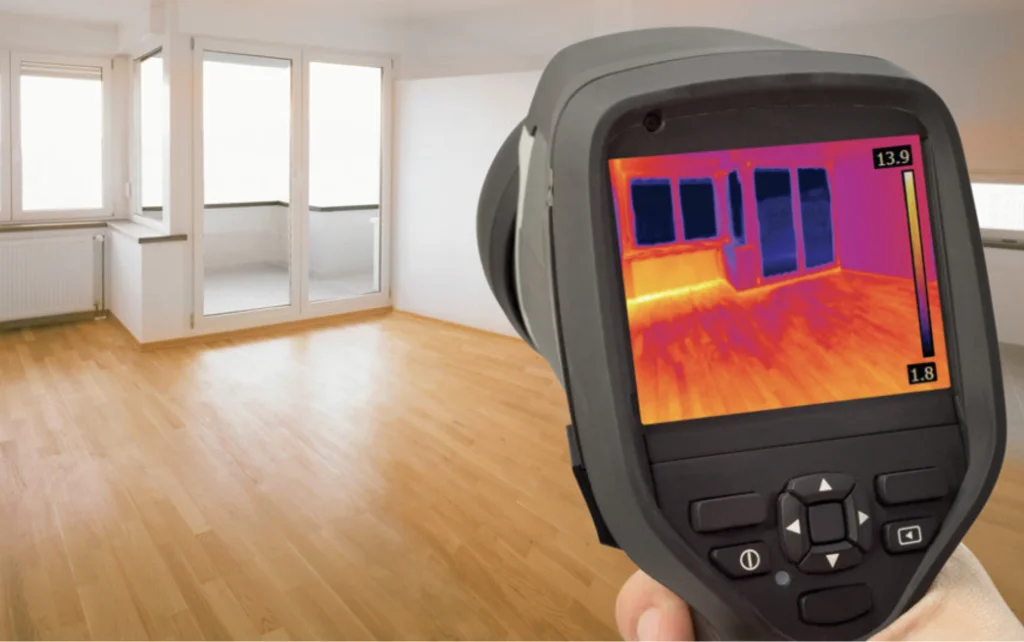
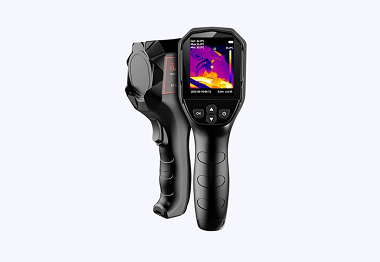
- Diagnostic checks isolated dampness to one bedroom ceiling spot and staining around the skylight.
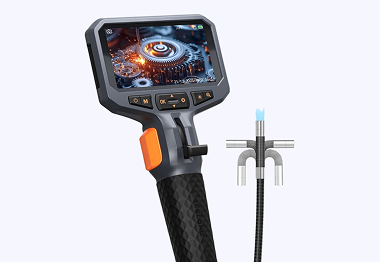
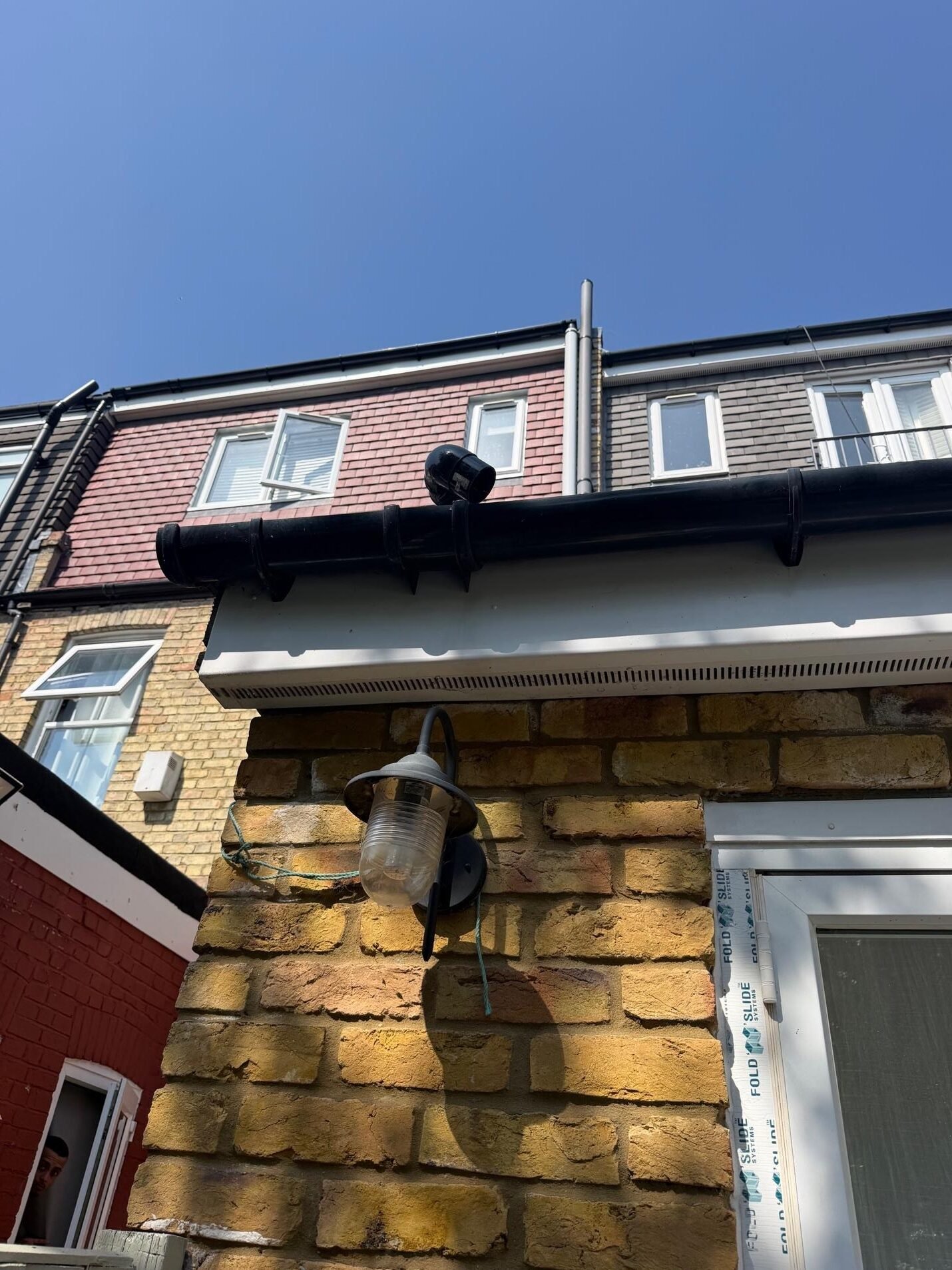
- External checks identified cracked render, unsealed roof joints, defective tiles and degraded flashings as active points of water ingress.
The diagnosis established that water was penetrating vulnerable roof details during rainfall, tracking through the timber framework and manifesting internally on the bedroom ceiling.
The Solution
To permanently resolve the penetrating damp, the survey recommended the following sequence:
- Appoint a competent roofing contractor to address defective tiles, cracked render, flashings and unsealed roof junctions.
- Inspect and restore seals around the skylight to eliminate water bypass.
- Allow affected internal ceiling surfaces to dry out completely prior to decorating.
- Apply a stain-blocking primer and repaint minor marks, replacing sections of plasterboard if structural softening has occurred.
The Outcome
The survey gave the property owner clear, actionable guidance that saved them money. By confirming that internal walls and floors were dry, the report prevented unnecessary spending on internal damp proofing, restricting repairs to exterior roof maintenance.
Why This Case Matters
High-level penetrating damp requires external roof maintenance rather than internal damp proofing. Independent diagnostic surveys differentiate between external envelope faults and internal moisture issues, ensuring building owners invest only in correct, effective repairs.