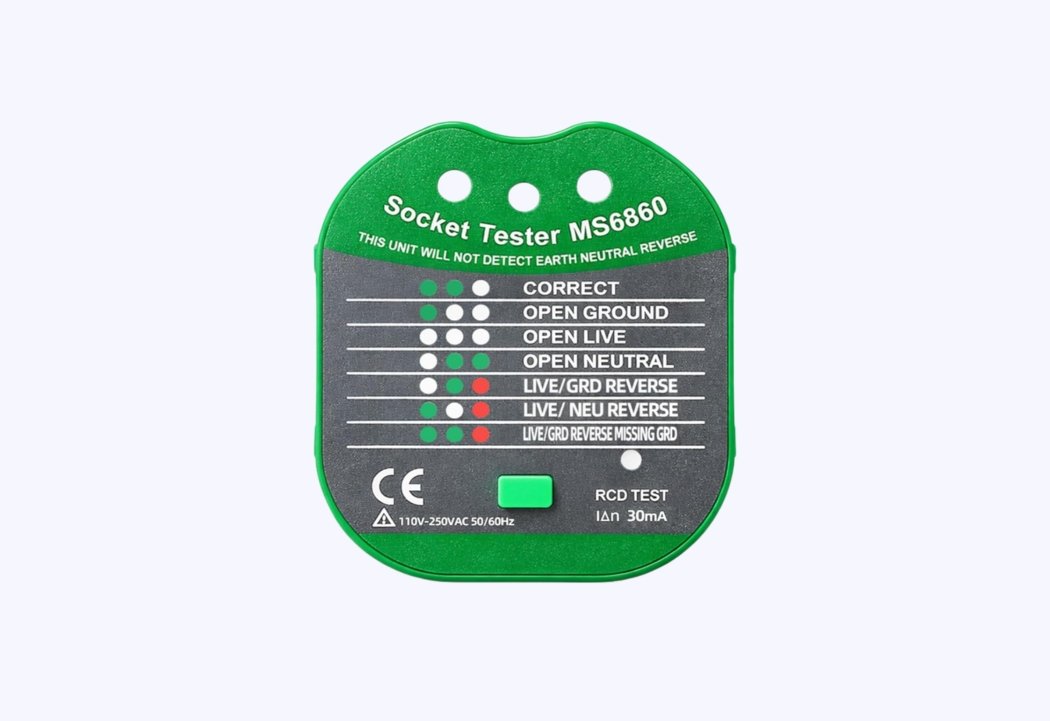
A Level 1 damp survey was conducted for a two-storey residential property in Westbourne (W2). The property owner instructed an independent survey to thoroughly evaluate the property’s structural health and inspect for damp or timber decay. The assessment provided a professional evaluation of all accessible internal and external areas.
About the Issue
The homeowner was concerned about a historical water stain located beneath a windowsill and wanted to know if rainwater was penetrating the building envelope. They worried that the stain, combined with an uncapped chimney and an unseen damp proof course, might signify broader moisture issues or rot.
The Challenge
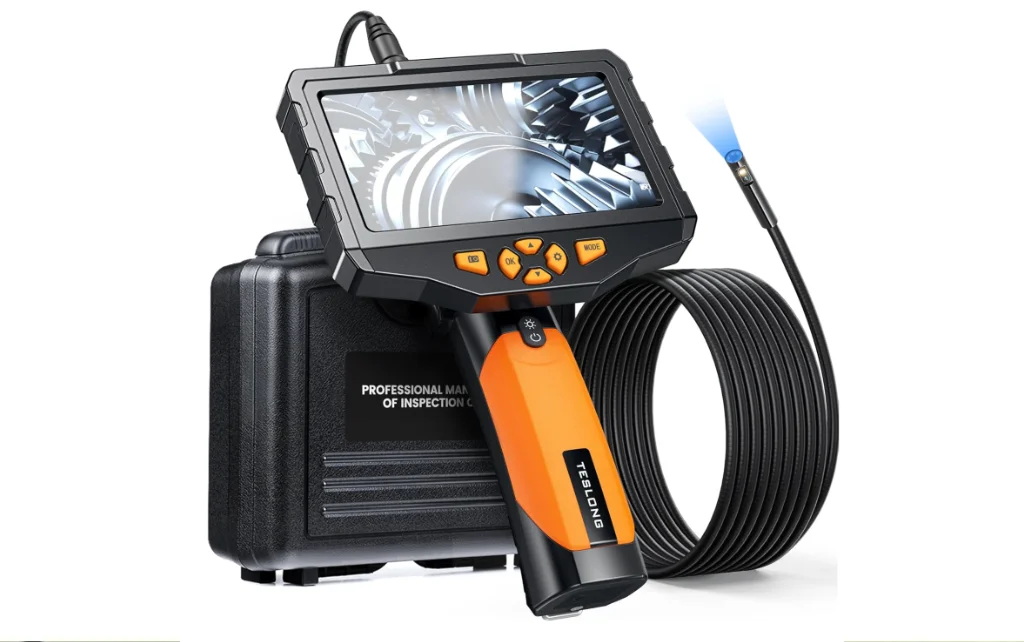
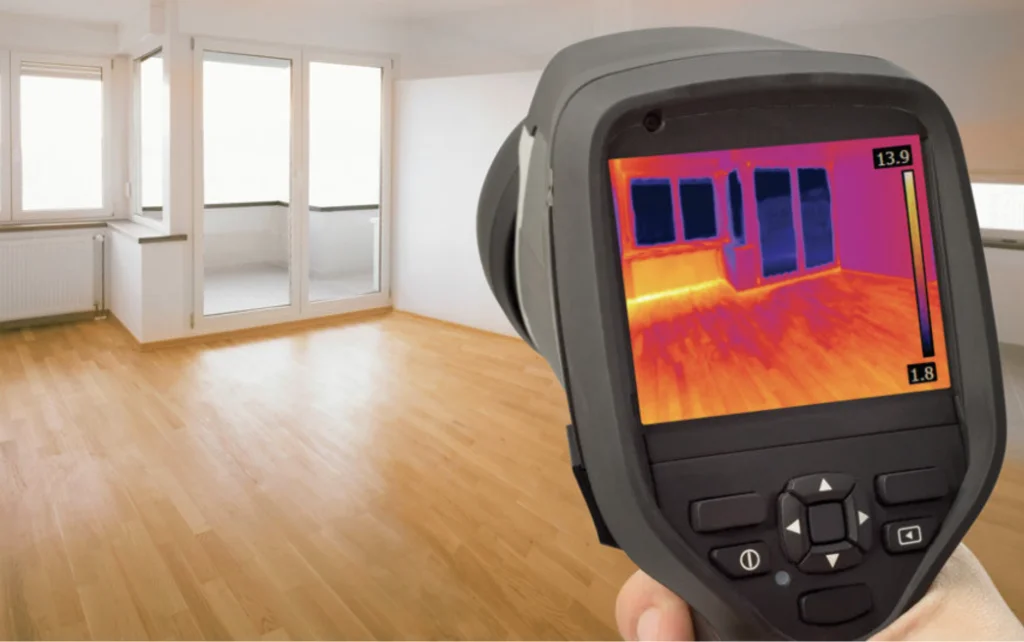
Evaluating the property required a systematic Level 1 damp survey covering internal walls, ceilings, floors, loft space, external masonry, roof coverings, guttering and plumbing networks. The priority was determining whether surface marks reflected active damp or simply historic events.
Diagnostic testing and physical inspection established the following findings:
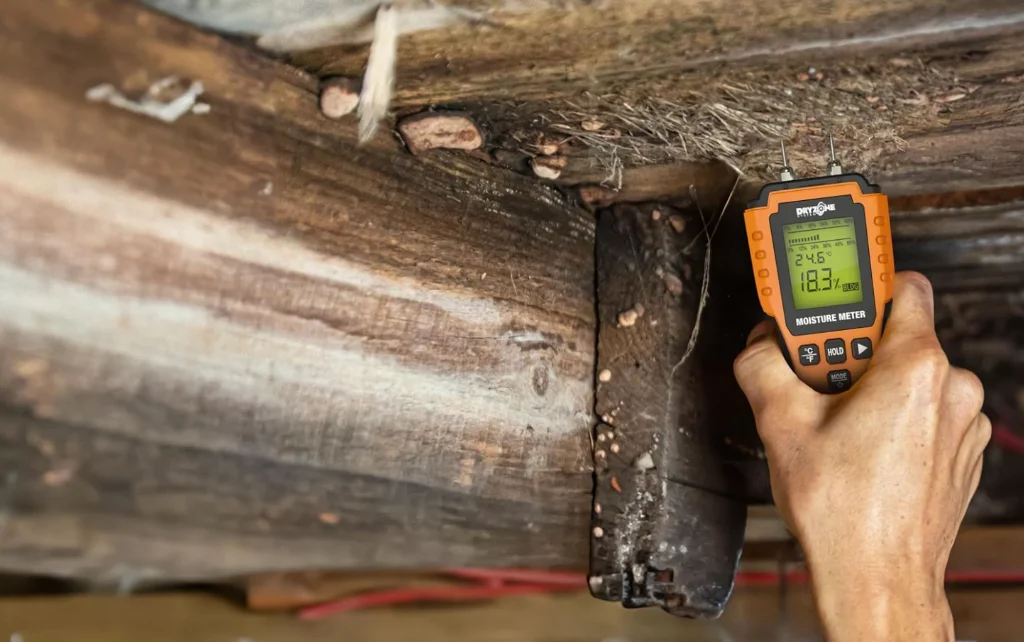
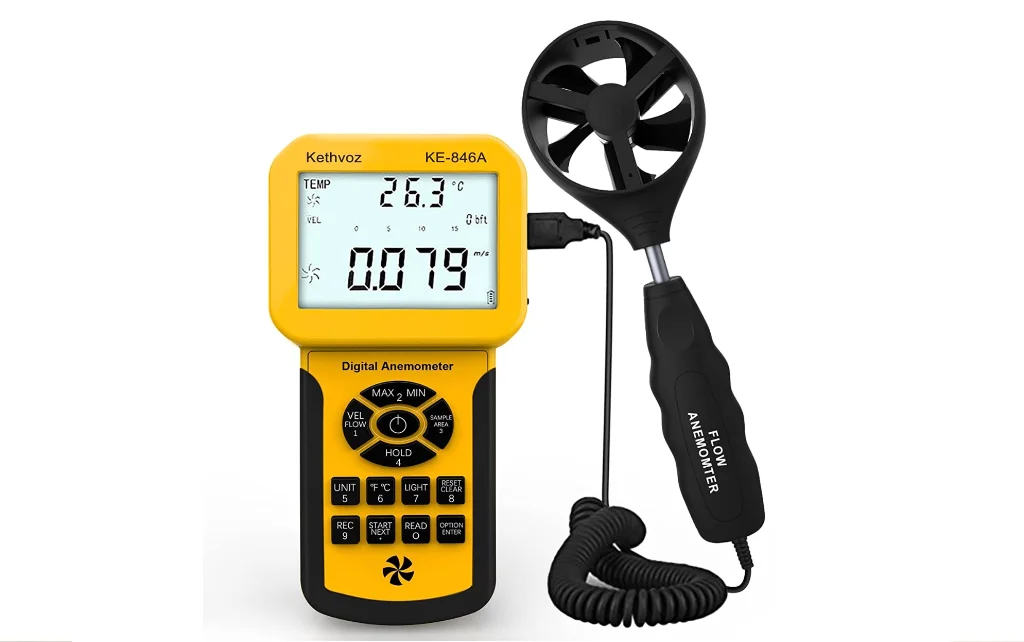
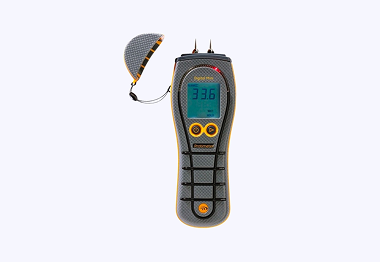
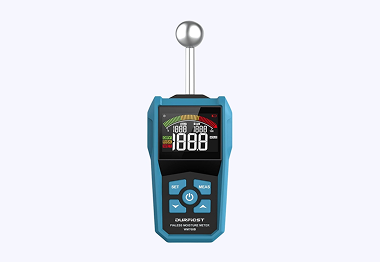
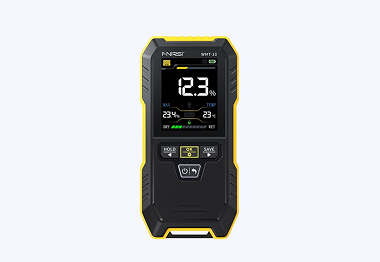
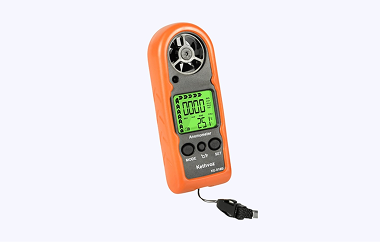
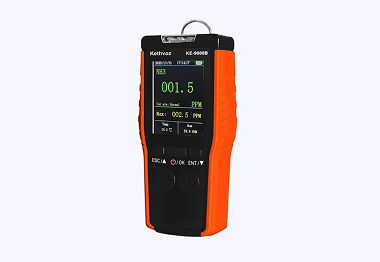
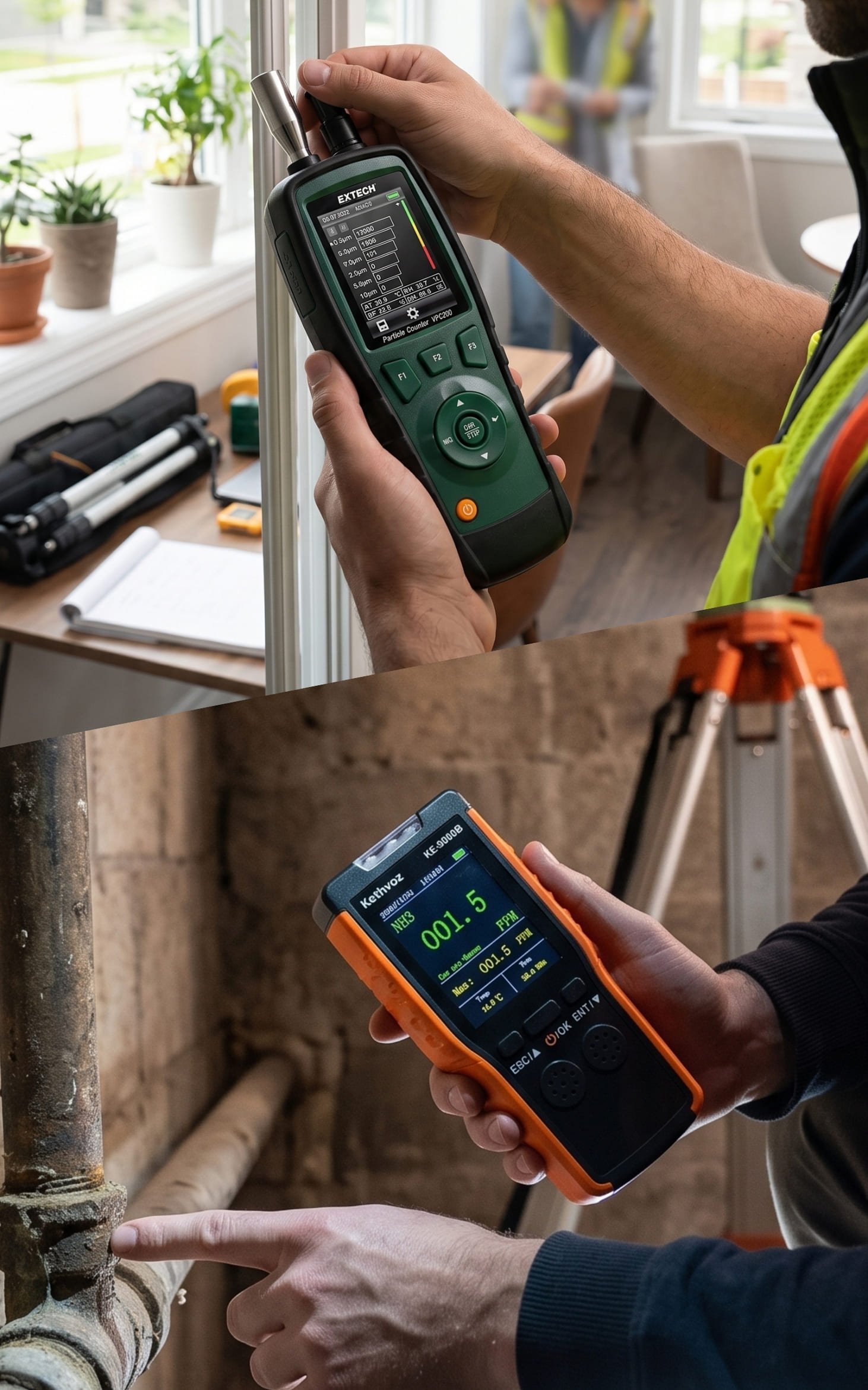
- Moisture meter readings across all internal walls averaged approximately 10%, proving the masonry is thoroughly dry.
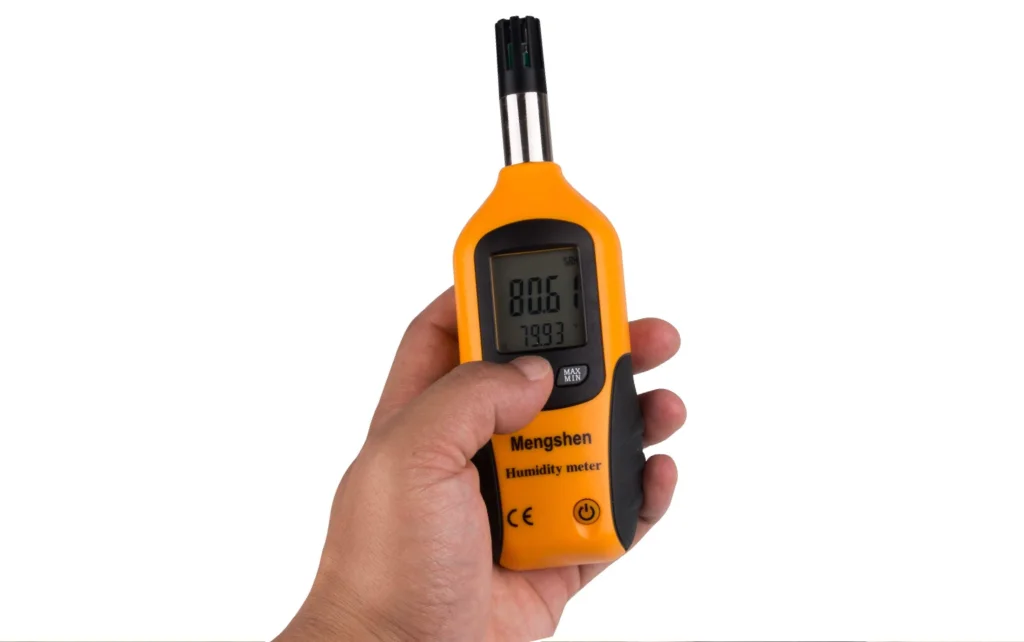
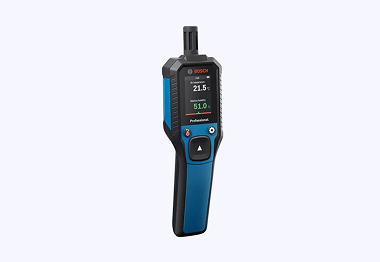
- Relative humidity levels were measured at approximately 51%, confirming healthy indoor conditions with no risk of condensation.
- Testing beneath the windowsill confirmed the minor water stain was historical, displaying no elevated moisture levels.
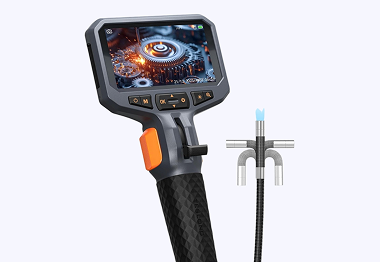
- Plumbing pipework was entirely leak-free and visible timbers showed no traces of wet rot, dry rot, or woodworm.
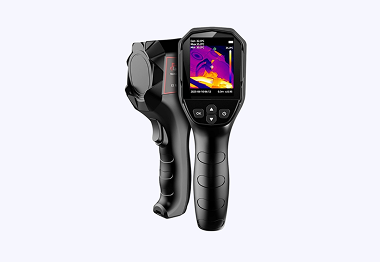
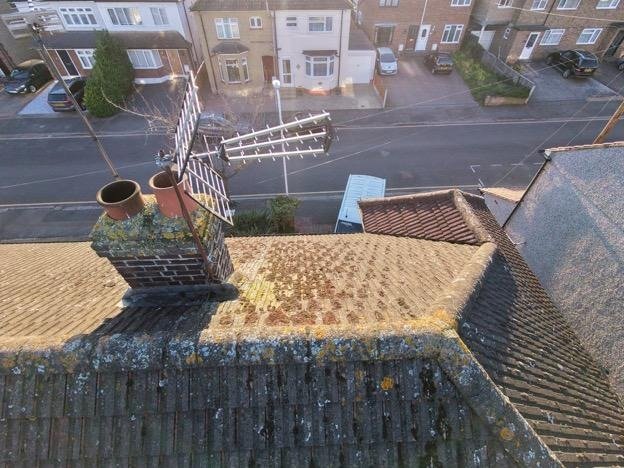
Outside, external brickwork and render were in sound condition. The loft space remained watertight and well-ventilated, though the roofing felt showed age-related deterioration that was not causing water ingress. The rear flat roof displayed surface staining from water pooling, yet internal ceilings beneath remained completely dry. Additionally, while no visible DPC was detected, no rising damp existed internally.
The Solution
Since the survey issued a clean bill of health regarding active damp, remedial damp proofing was entirely ruled out. The inspector outlined the following preventative maintenance measures:
- Install chimney caps to block rainwater from entering through the open stack.
- Clean out existing guttering to facilitate smooth water runoff and prevent blockages.
- Monitor pooling on the rear flat roof and consider improving drainage falls if required in the future.
- Perform ongoing general roof maintenance as necessary.
The Outcome
The property owner received definitive proof that their home was dry and structurally sound. They saved money by ruling out unnecessary damp-proofing interventions, gaining a clear list of basic exterior maintenance tasks instead.
Why This Case Matters
Visual blemishes like old water stains or standing water on flat roofs can lead property owners to assume structural failure. Specialist diagnostics look past surface appearances to measure true moisture levels, ensuring home maintenance funds are directed toward sensible roof care rather than unneeded damp proofing.