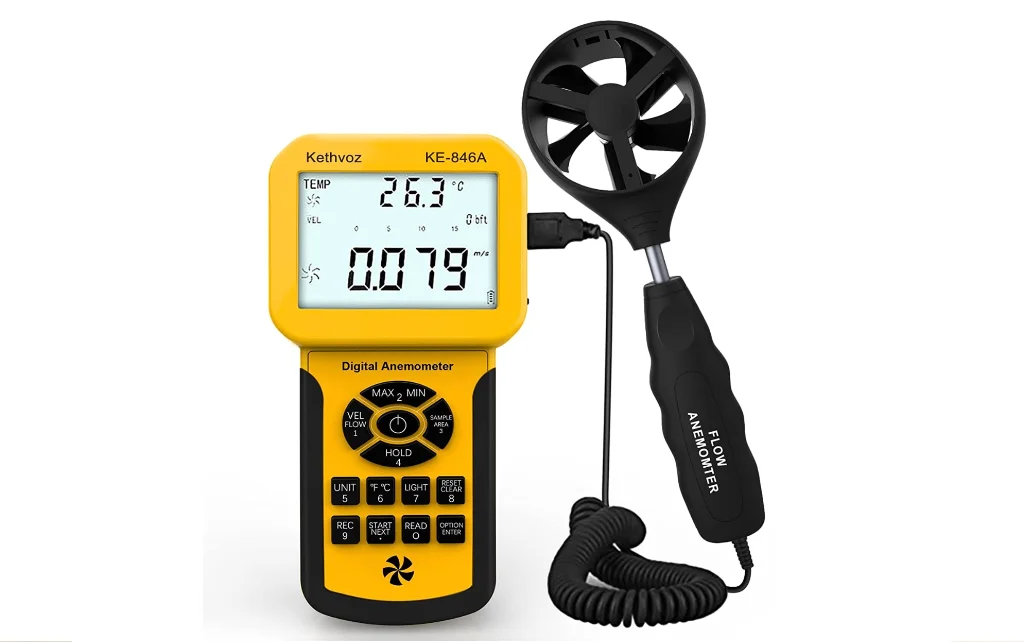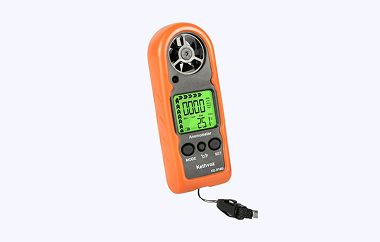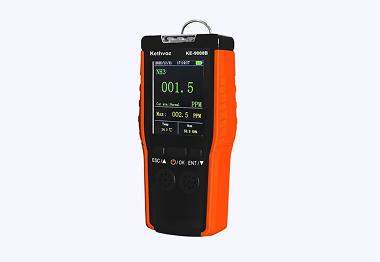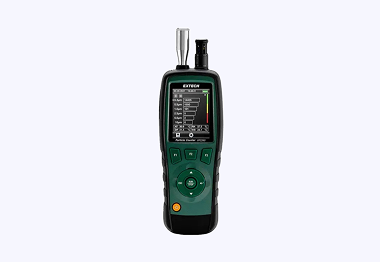
An independent Level 1 damp survey was carried out on a two-storey residential property in Westbourne (W2). The property owner requested the survey to evaluate potential moisture risks and gain a comprehensive understanding of the home’s condition. The thorough inspection covered all accessible internal, external and structural areas.
About the Issue
The homeowner noticed a minor historical water stain beneath a windowsill and grew concerned about potential rain penetration. They feared that this mark could indicate ongoing water ingress, roof defects, or hidden decay within the wall structure.
The Challenge
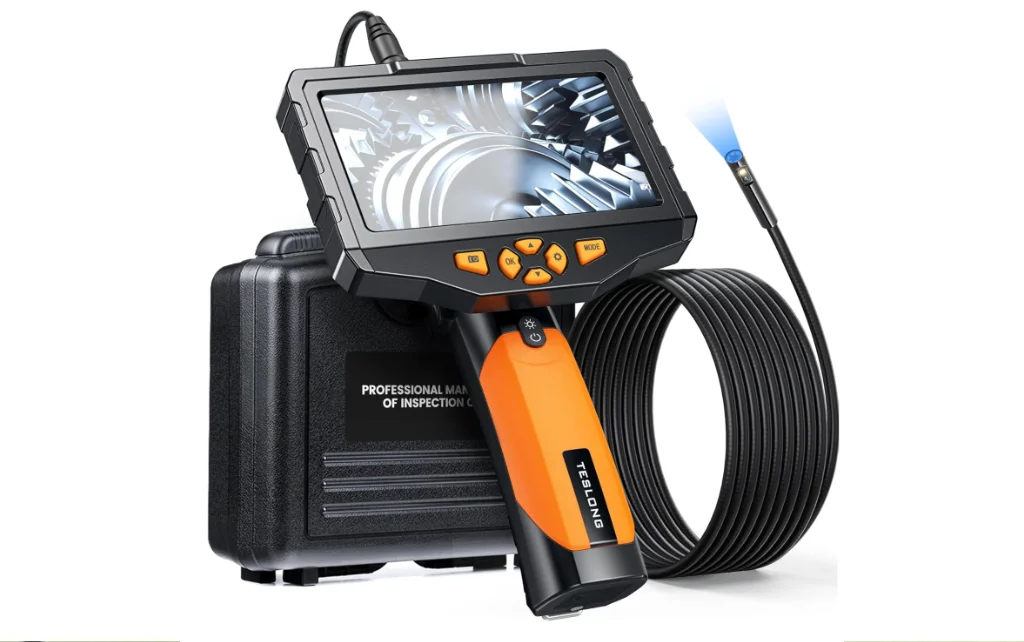
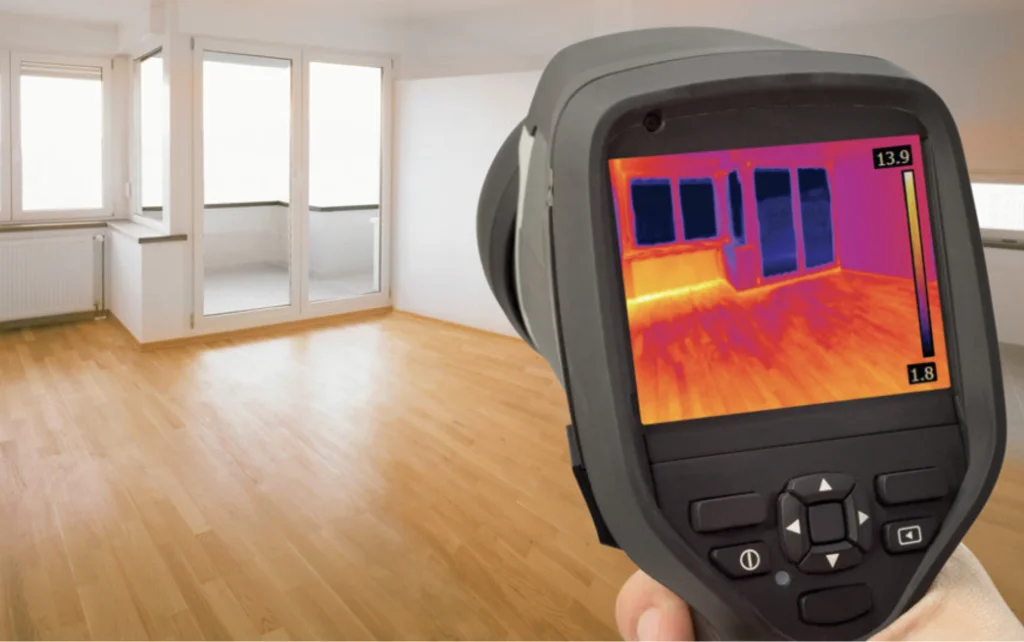
The surveyor conducted a Level 1 damp survey, systematically checking internal walls, ceilings, floor surfaces, roof timbers, drainage elements and plumbing fixtures. The core objective was to separate active damp mechanisms from harmless, historic cosmetic defects.
Key observations and readings recorded during the assessment:
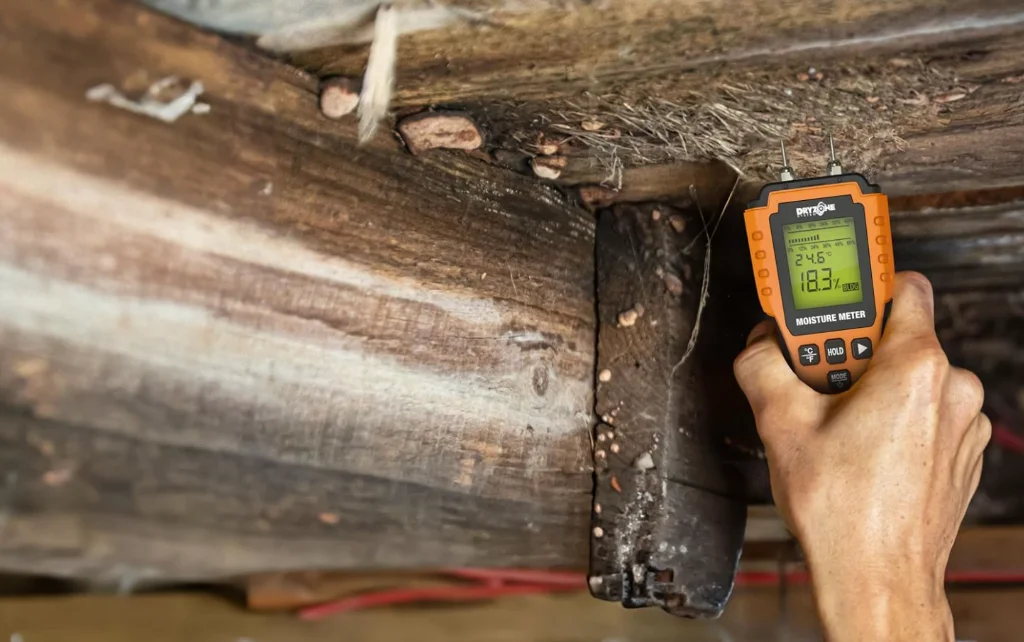
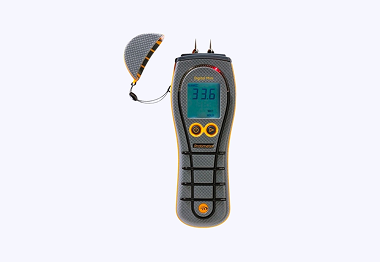
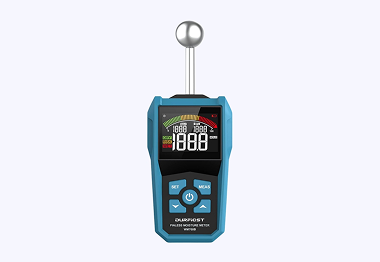
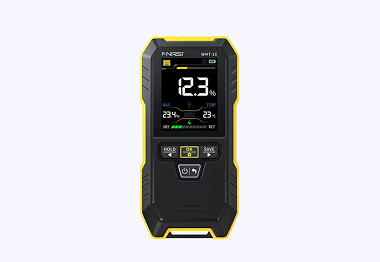
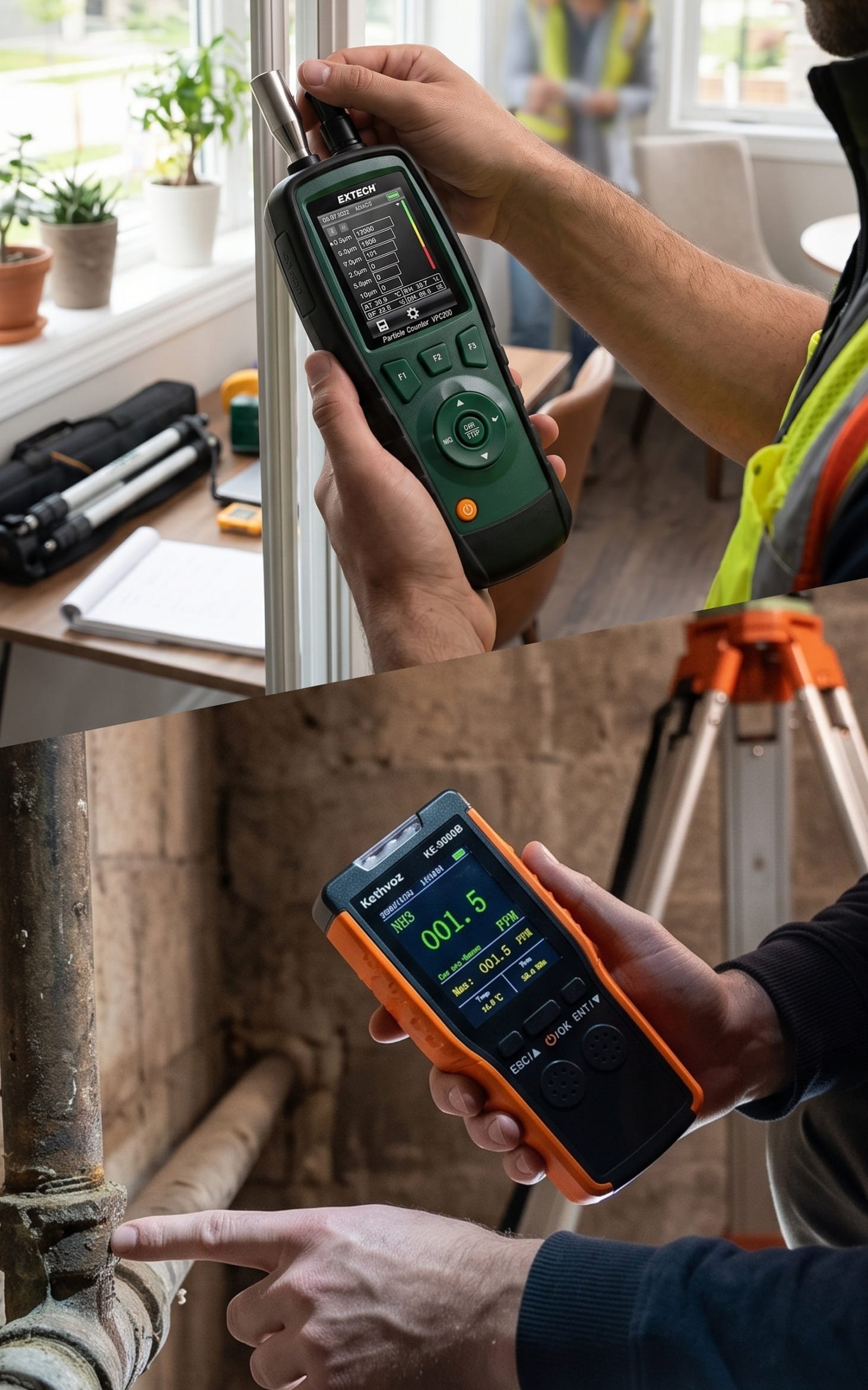
- Quantitative moisture testing across internal walls yielded average readings of approximately 10%, indicating completely dry conditions.
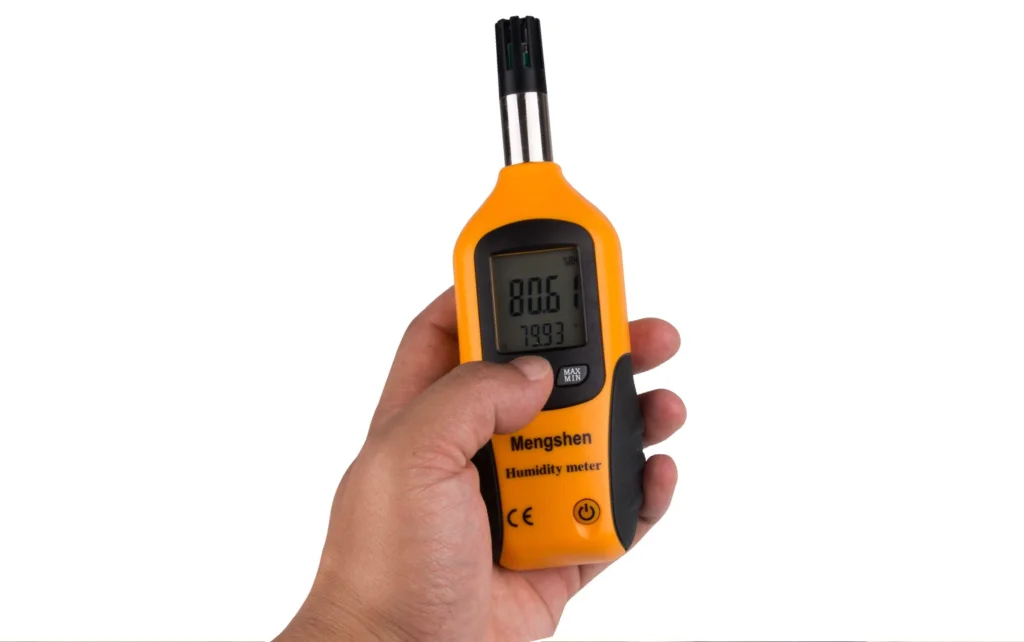
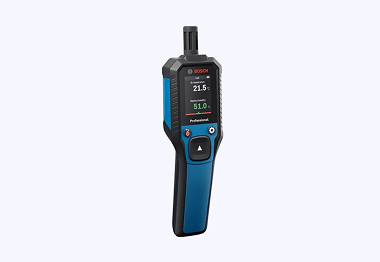
- Relative humidity levels indoors were measured at approximately 51%, maintaining a comfortable and healthy balance.
- Moisture checks directly over the windowsill stain confirmed no elevated moisture, proving the defect was historical and dry.
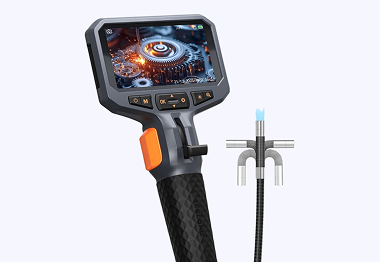
- Timber checks across accessible structural members revealed no signs of dry rot, wet rot, or woodworm.
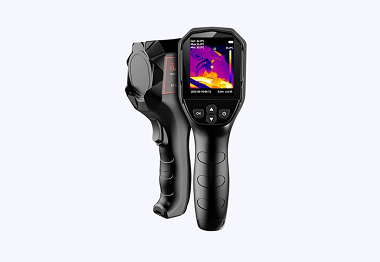
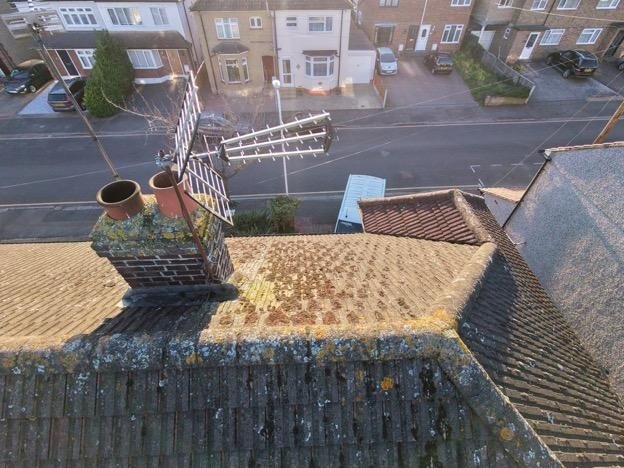
The survey further noted that all plumbing was free of active leaks. The main roof structure was confirmed watertight with adequate ventilation, notwithstanding minor roofing felt deterioration typical for its age. An uncapped chimney stack was noted as a potential route for rainwater and the rear flat roof exhibited surface staining from water pooling; however, no internal damp penetration was recorded anywhere. External brickwork and render remained in good condition and the lack of a visible DPC caused no internal rising damp.
The Solution
The survey confirmed a clean bill of health regarding damp, ruling out any requirement for remedial damp proofing. Recommended preventative actions focused on sensible property upkeep:
- Install chimney caps to eliminate potential rainwater ingress via the chimney stack.
- Clean guttering to guarantee effective drainage and prevent water overflow.
- Monitor pooling on the flat roof, improving drainage falls if needed over time.
- Undertake general roof maintenance as required over time.
The Outcome
The homeowner received total reassurance that their home was dry and structurally sound. By opting for an independent specialist survey, they avoided high expenditure on unnecessary damp proofing quotes and gained a focused maintenance checklist.
Why This Case Matters
Uncapped chimneys and older roofing felts are common features in period properties that do not automatically cause damp. Specialist damp diagnostic surveys evaluate real-time performance rather than assuming defects exist, keeping maintenance straightforward and cost-effective.