This Level 1 damp survey was performed on a two-storey residential property located in Bayswater (W2). Commissioned by the property owner, the independent survey aimed to establish the general damp condition of the building across all accessible internal and external zones. The inspection provided an objective, specialist evaluation free from commercial bias.
About the Issue
Prompting the survey was a faint, historical water stain under one of the window sills, which raised concerns for the homeowner. They worried that water might be penetrating the outer walls or that dampness could be spreading unseen behind internal finishes.
The Challenge
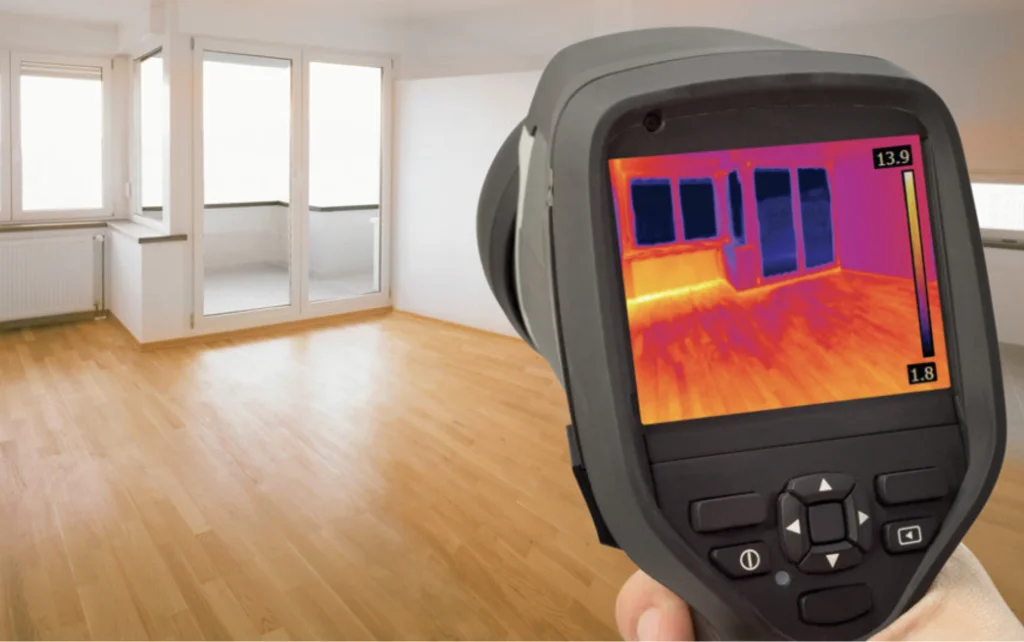
To assess the property’s overall structural integrity, a Level 1 damp survey was executed. The surveyor examined all accessible rooms, ceilings, floors, the loft space, chimney, roof details, gutters, external render and visible plumbing.
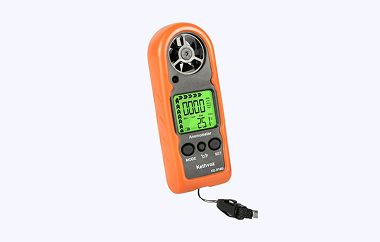
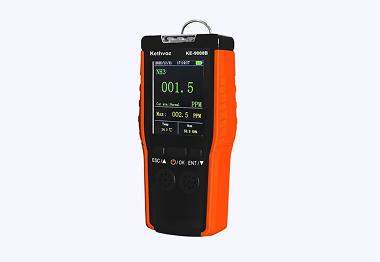
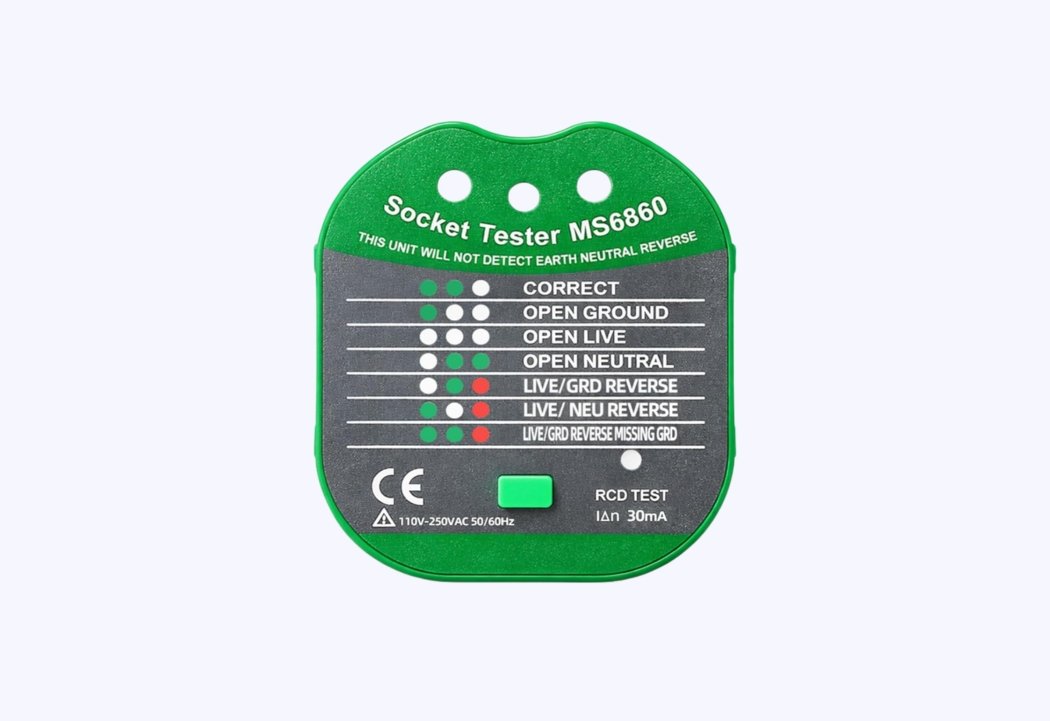
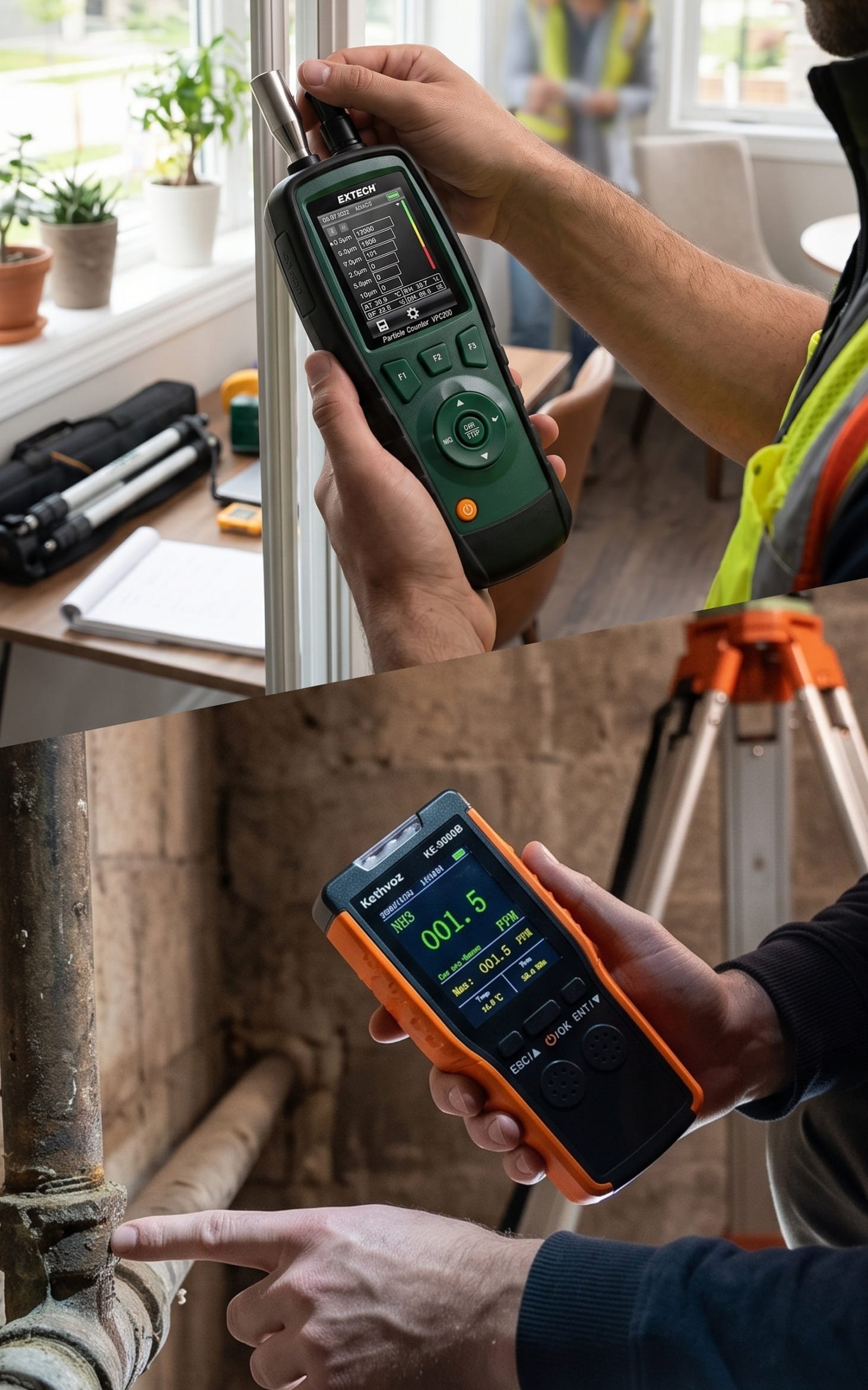
The diagnostic evidence gathered during the survey included:
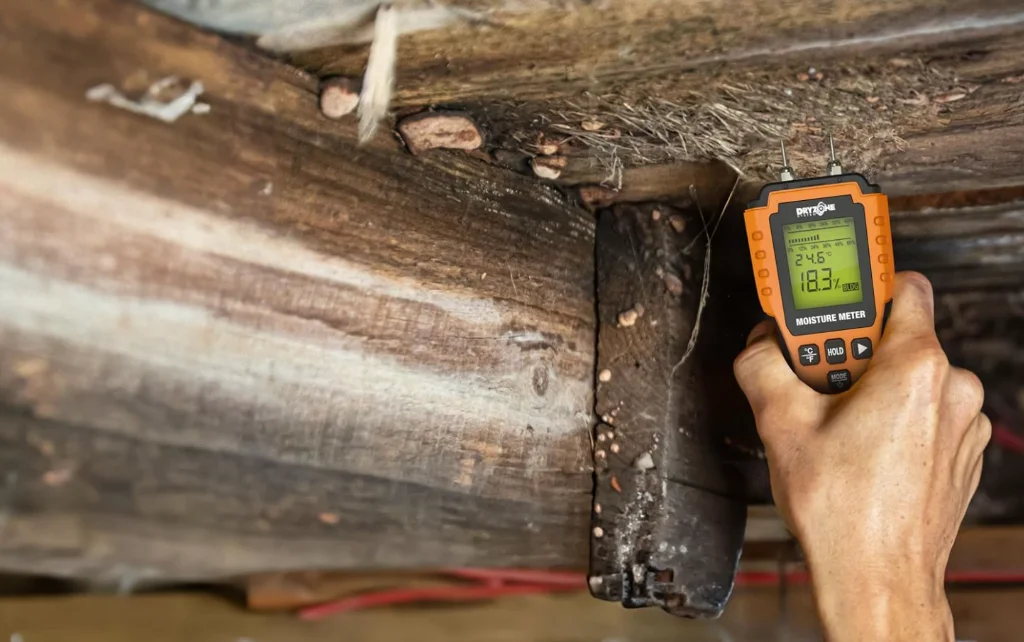
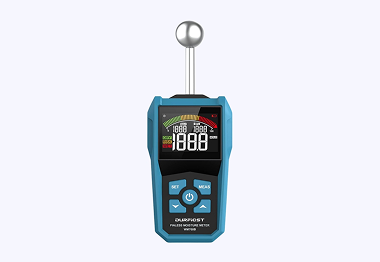
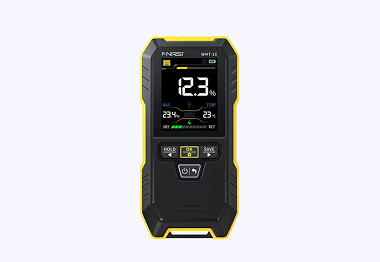
- Average internal wall moisture readings recorded at approximately 10%, well within normal dry parameters.
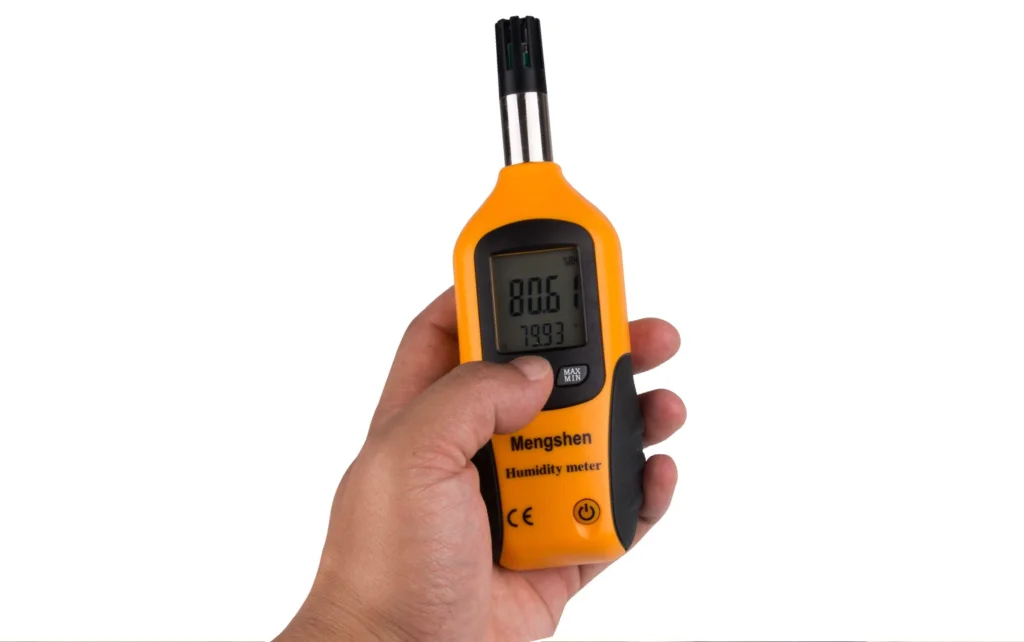
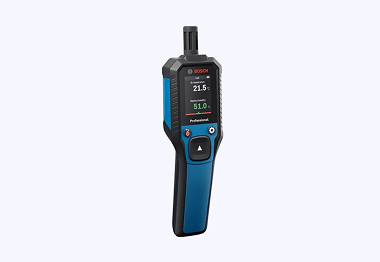
- Internal relative humidity measured at approximately 51%, confirming ideal ambient air conditions.
- Spot-checks on the windowsill stain showed zero elevated moisture readings, verifying the mark was purely historic.
- Complete absence of dry rot, wet rot, or woodworm in all accessible structural timbers.
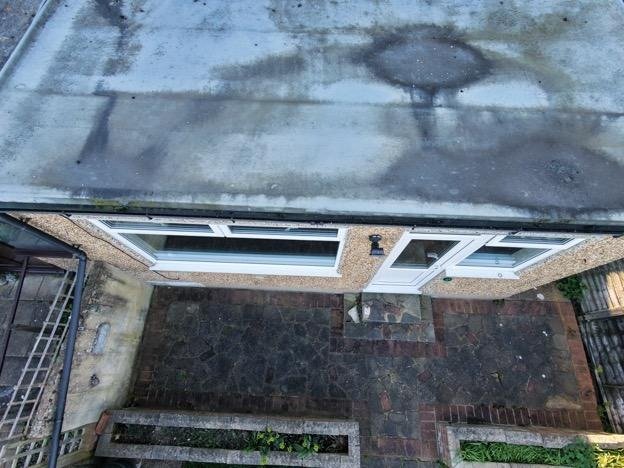
Further assessment revealed that plumbing systems had no active leaks. The roof space remained watertight with proper ventilation, despite typical age-related deterioration of the roofing felt. Although the chimney stack lacked caps and the rear flat roof showed surface staining from water pooling, no water was penetrating internally. External render and brickwork were sound and despite no visible DPC being identified, no rising damp was detected inside.
The Solution
With the property receiving a clean bill of health in relation to damp, no damp proofing treatments were necessary. The report outlined four practical preventative steps:
- Fit chimney caps on the open chimney stack to prevent rainwater ingress.
- Clean out guttering to ensure efficient rainwater clearance.
- Keep an eye on flat roof water pooling and adjust drainage or falls if necessary.
- Complete routine general roof maintenance over time.
The Outcome
The property owner gained full clarity regarding their home, confirming that no active leaks or damp problems existed. They avoided redundant plaster work or wall injections, leaving them with an easy, low-cost maintenance plan to protect the exterior.
Why This Case Matters
Contractors selling damp proofing systems often treat any historic stain or missing DPC as an urgent call for expensive chemical treatments. Independent damp specialists focus on objective diagnostic readings, protecting property owners from unnecessary building work.