An independent Level 3 damp survey was carried out on a flat in Kennington (SE11). The property owner requested the survey to investigate active ceiling leaks and wall moisture issues across the upper living areas. The comprehensive inspection offered an impartial evaluation of the entire structure.
About the Issue
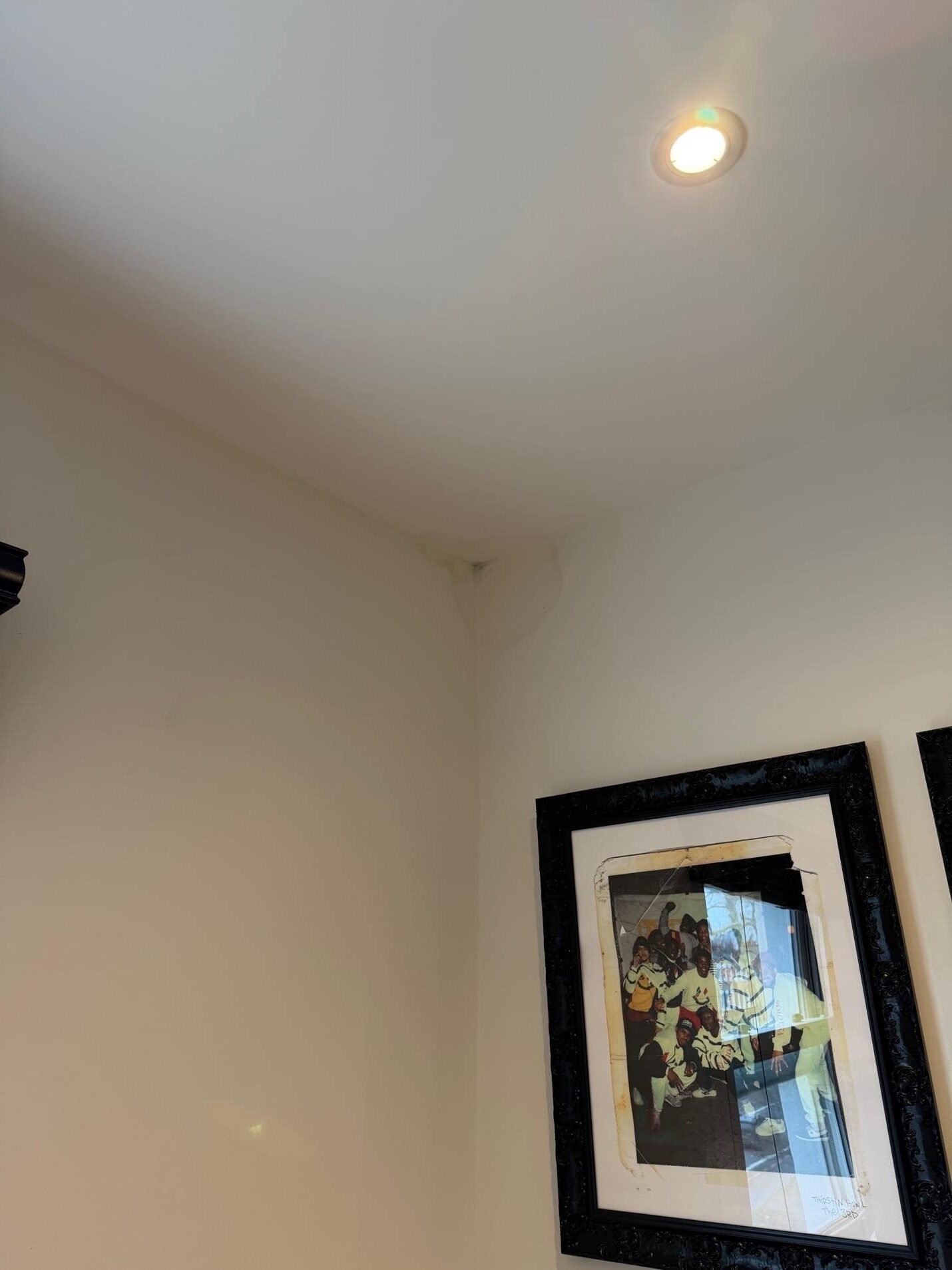
Concerns arose when the homeowner discovered an active leak at the upper corner of the front office ceiling, along with damp spotting on bedroom walls and window condensation. They feared that water was penetrating through structural brickwork or that internal floor timbers were decaying.
The Challenge
Executing a complete Level 3 damp survey involved checking all upper-level rooms, lower kitchen floor slabs, structural masonry and roof drainage via drone. The diagnostic focus was determining whether moisture was entering from the roof or building up from internal living activities.
Testing and observations revealed crucial evidence:
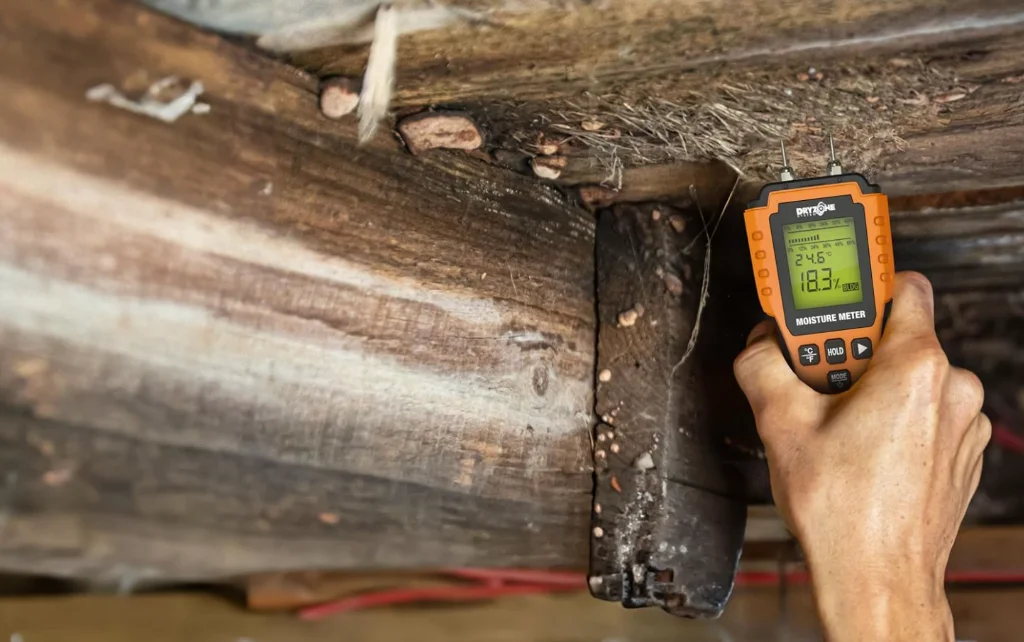
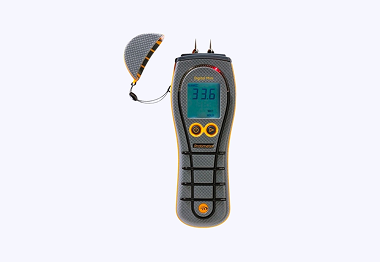
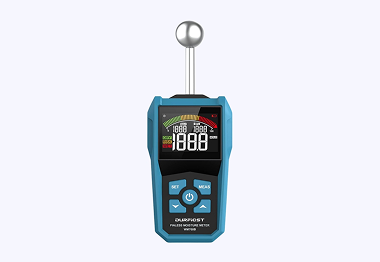
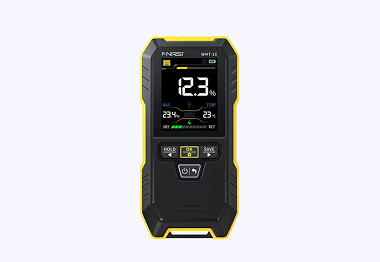
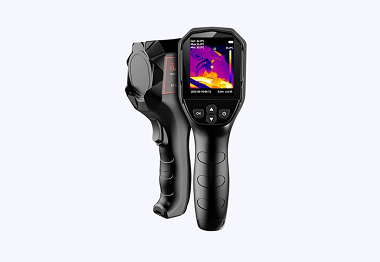
- Ceiling inspection in the front office identified active penetrating damp originating from above, matching high-level water ingress rather than rising groundwater.
- Aerial drone photography confirmed standing water pooling on the roof surface alongside guttering requiring clearing and repair.
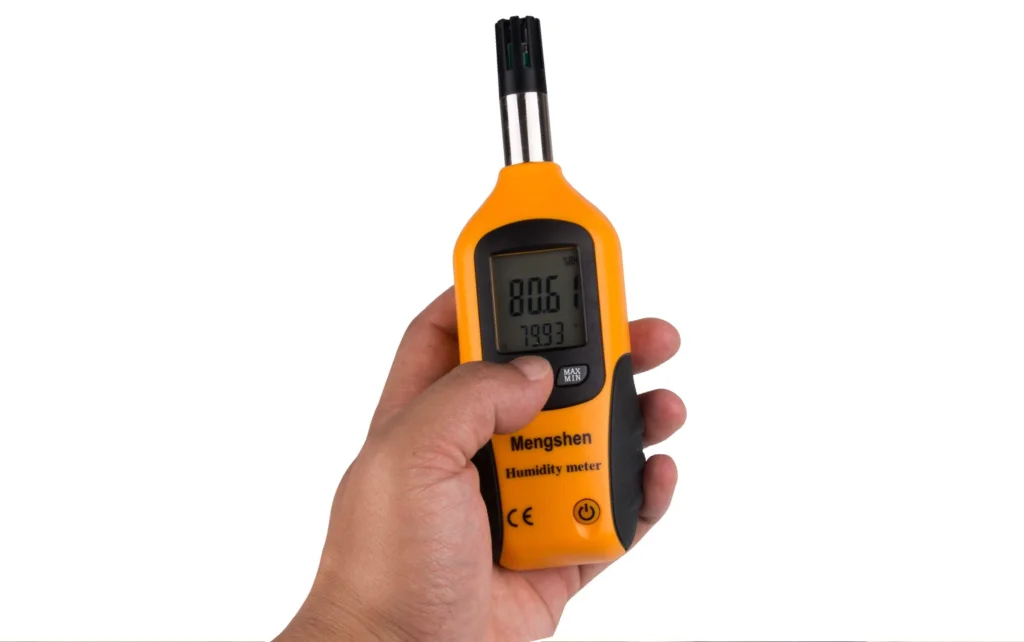
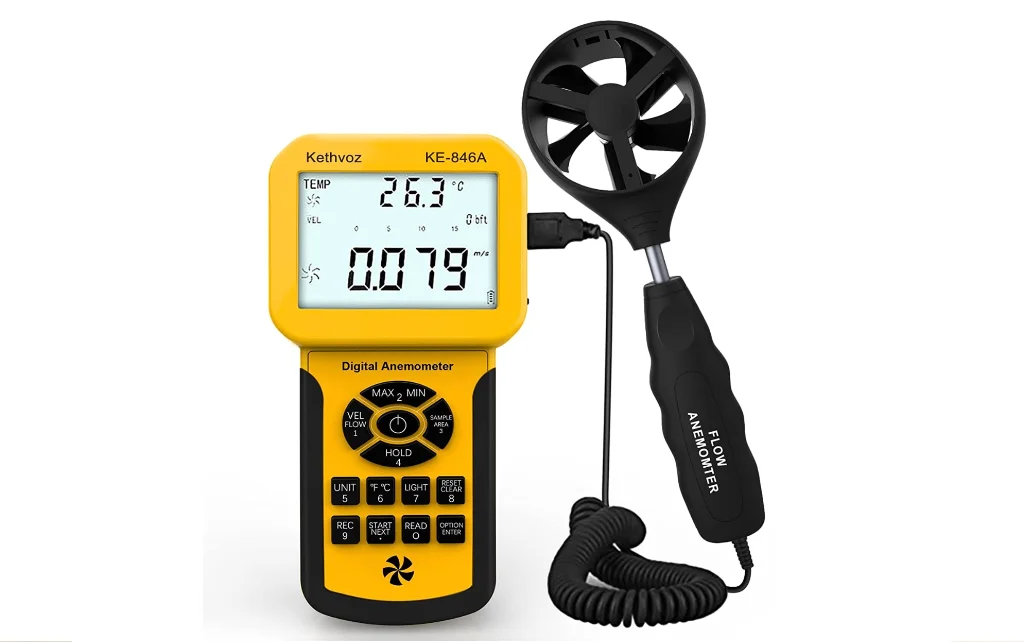
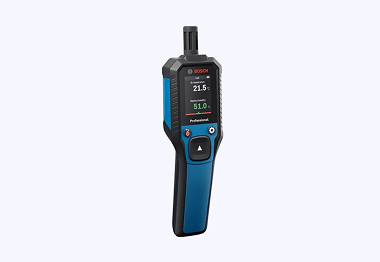
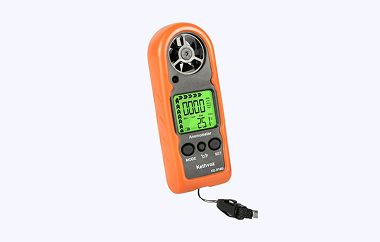
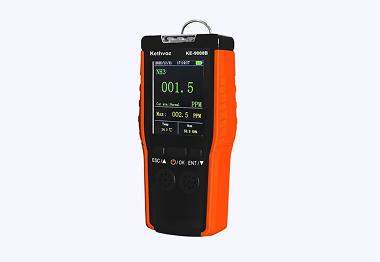
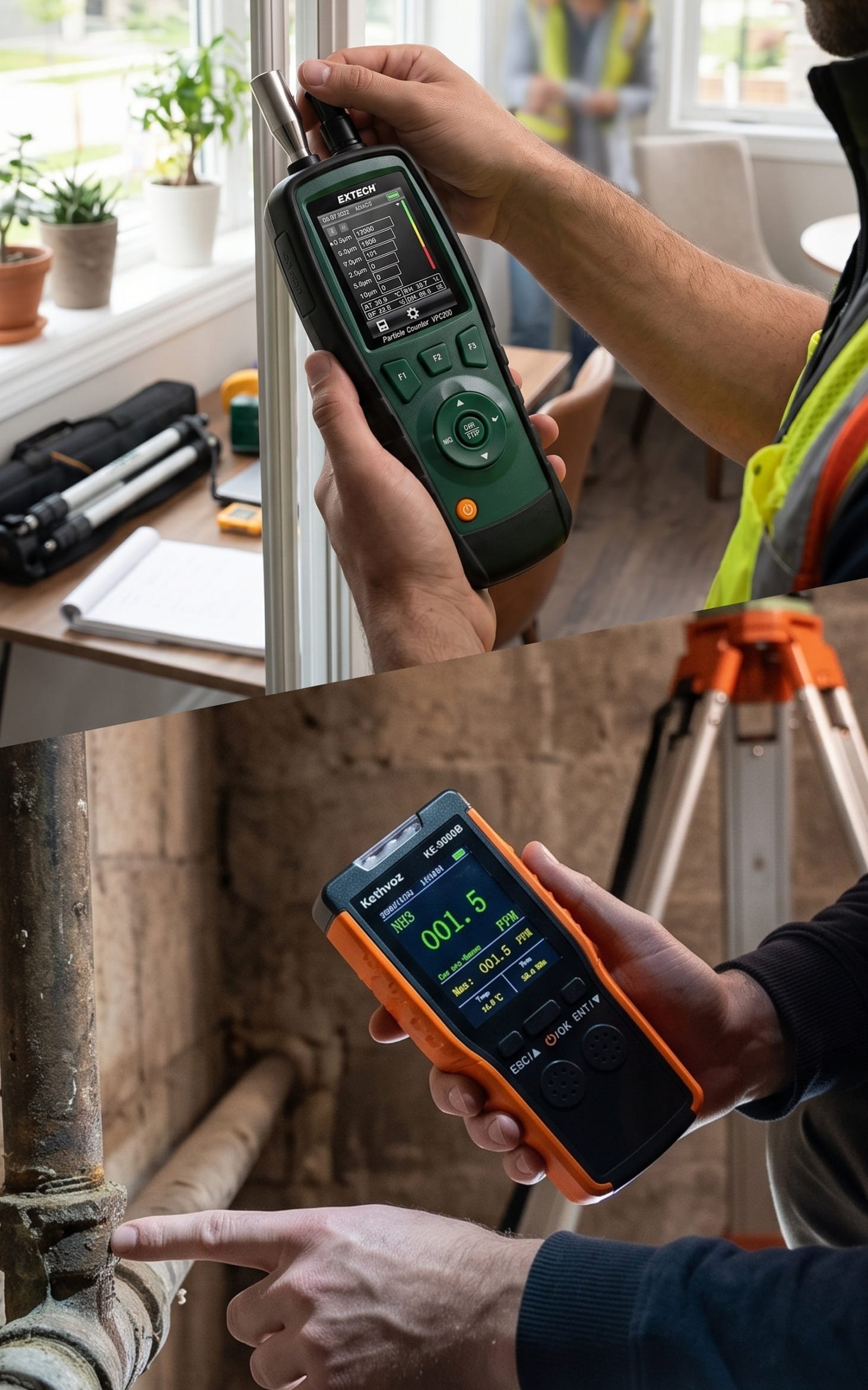
- Atmospheric measurements in the upstairs bedroom recorded elevated humidity levels, with steam from the nearby ensuite creating window condensation and cold wall damp spotting.
- Testing on the kitchen floor confirmed dry, healthy conditions.
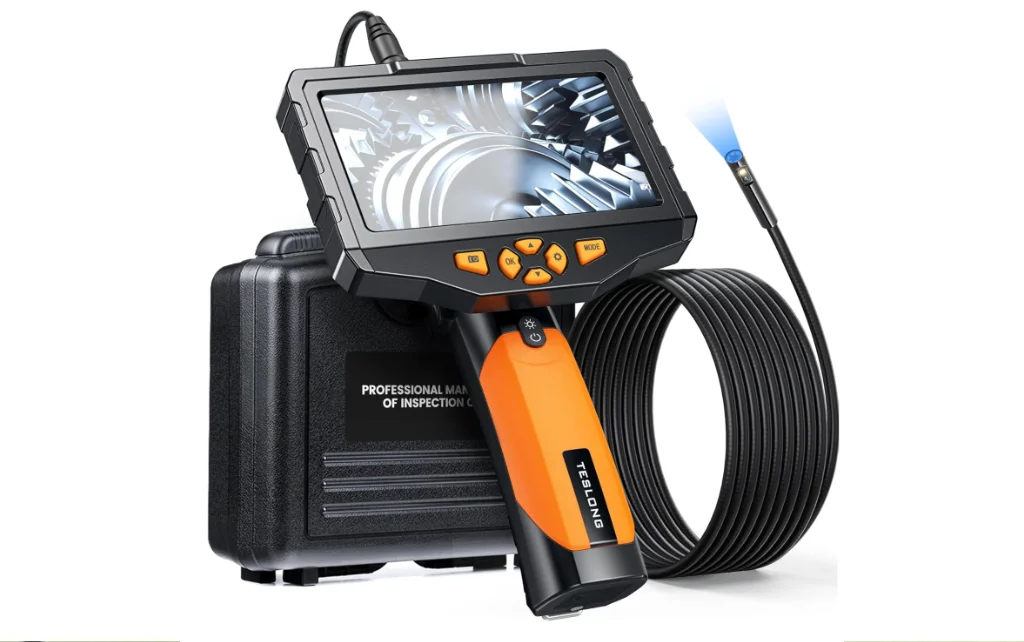
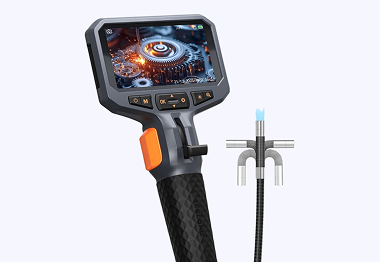
The surveyor verified that the structural condition was sound, with good external pointing, zero structural movement and no traces of woodworm, wet rot, or dry rot in structural timbers.
The Solution
To permanently resolve internal moisture, the report detailed four key remedial recommendations:
- Commission a qualified roofer to eliminate roof water pooling, improve drainage routes and maintain guttering.
- Set up a high-capacity dehumidifier configured with a continuous drain outlet plumbed into a waste pipe.
- Upgrade ensuite ventilation to prevent moist air from spreading into the adjacent bedroom.
- Redecorate internal surfaces using breathable finishes once external repairs are finished and masonry has dried naturally.
The Outcome
The property owner received clear proof that their flat was structurally healthy and free of timber rot. By using an independent survey, they avoided high contractor quotes for unnecessary chemical damp proofing, directing their budget toward essential roof maintenance and ventilation.
Why This Case Matters
High humidity from bathrooms can mimic structural dampness on cold walls, confusing homeowners. Independent diagnostic surveys combine internal atmospheric checks with aerial roof inspections, separating room condensation from true rainwater penetration.