This independent Level 3 damp survey evaluated a multi-storey property located in Walthamstow (E17). Commissioned by the property owner to investigate ceiling stains and skylight moisture, the survey delivered a thorough diagnostic report. The assessment evaluated all internal spaces, subfloors, structural timbers and roof surfaces without commercial bias.
About the Issue
The property owner noticed ceiling marks below an upper bathroom and discoloured finishes near kitchen skylights. Unsure whether the issue pointed to hidden pipe bursts or structural roof failure, they requested an expert diagnostic survey before redecorating.
The Challenge
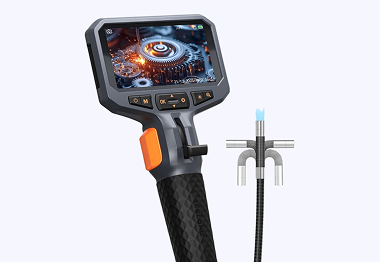
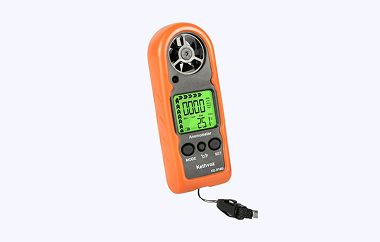
The surveyor conducted a complete Level 3 investigation across all storeys, testing wall moisture levels, atmospheric humidity, mechanical extractors and high-level roof coverings.
Key diagnostic evidence recorded during the inspection included:
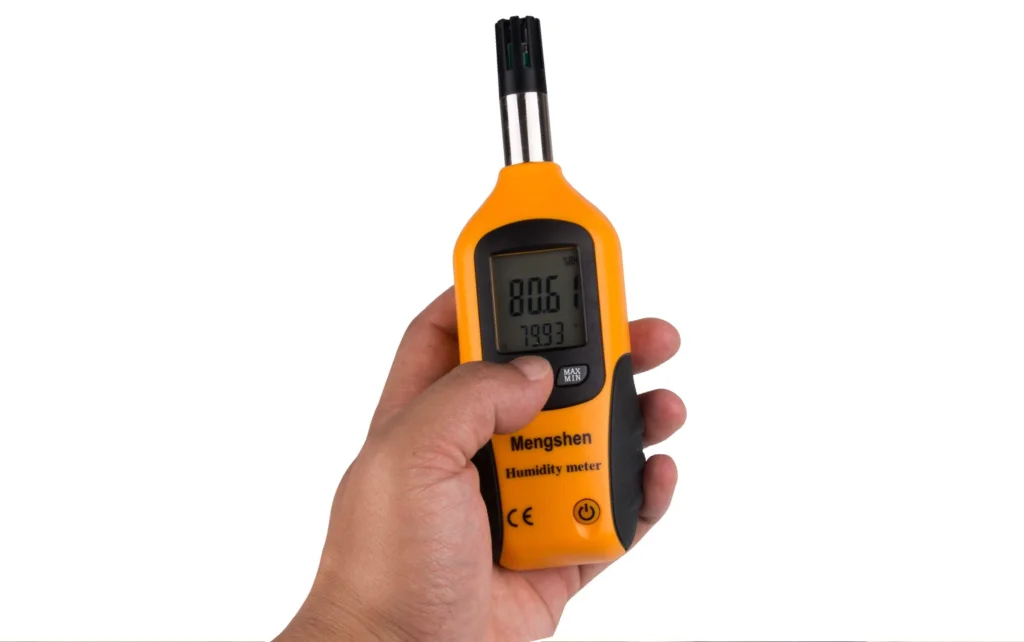
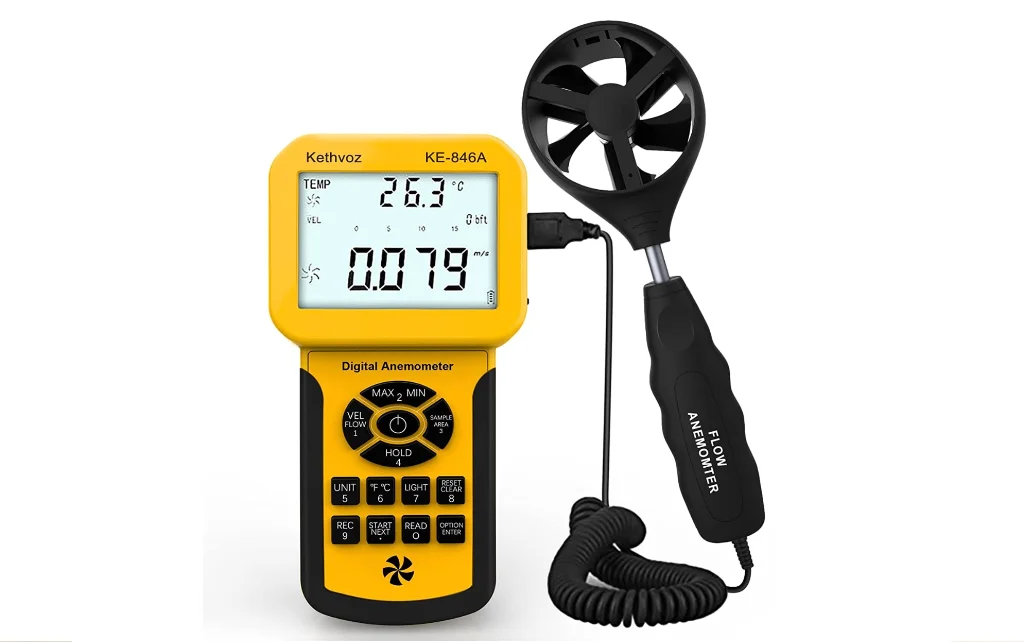
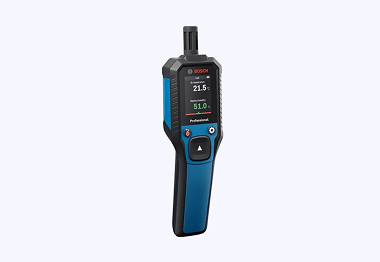
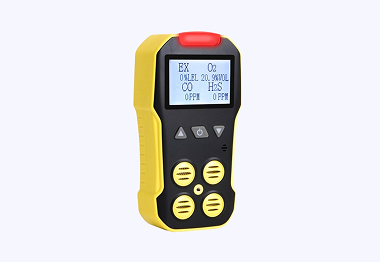
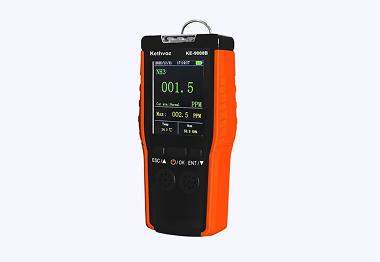
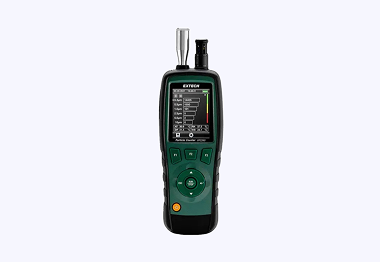
- Environmental readings recorded healthy indoor air quality, measuring 45.9% RH (22.4°C) on top floors and 44.9% RH (22.2°C) on ground levels.
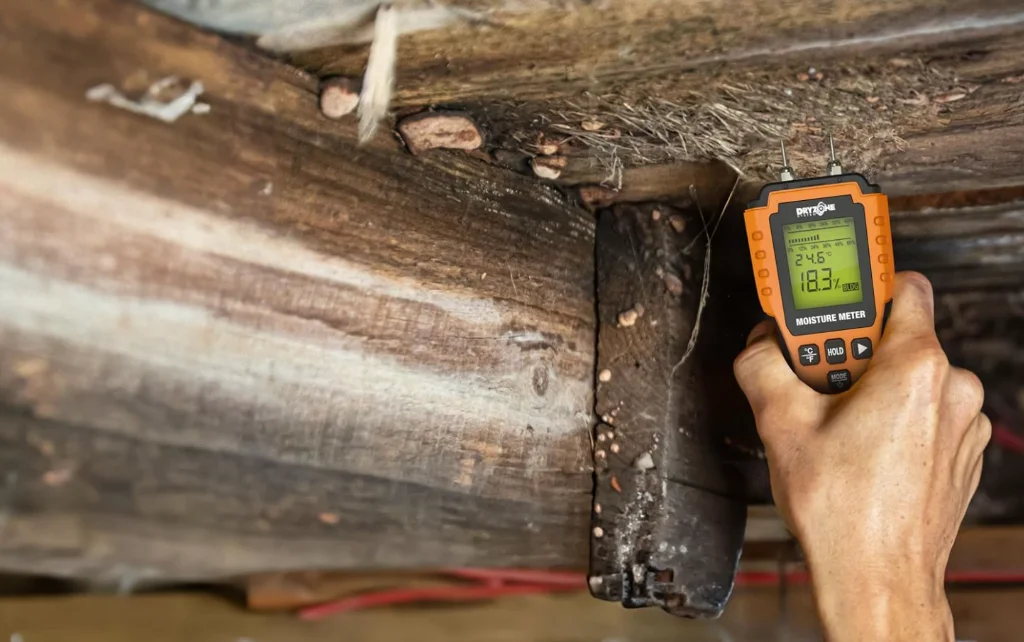
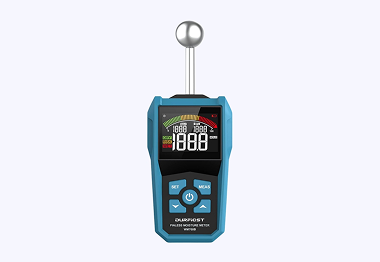
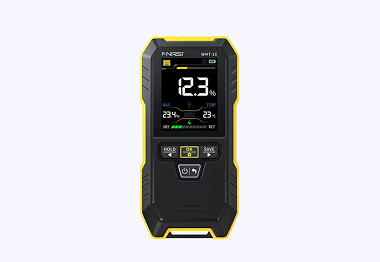
- Moisture meters confirmed all internal walls, ceilings and floors were dry, with zero active leaks or rising damp.
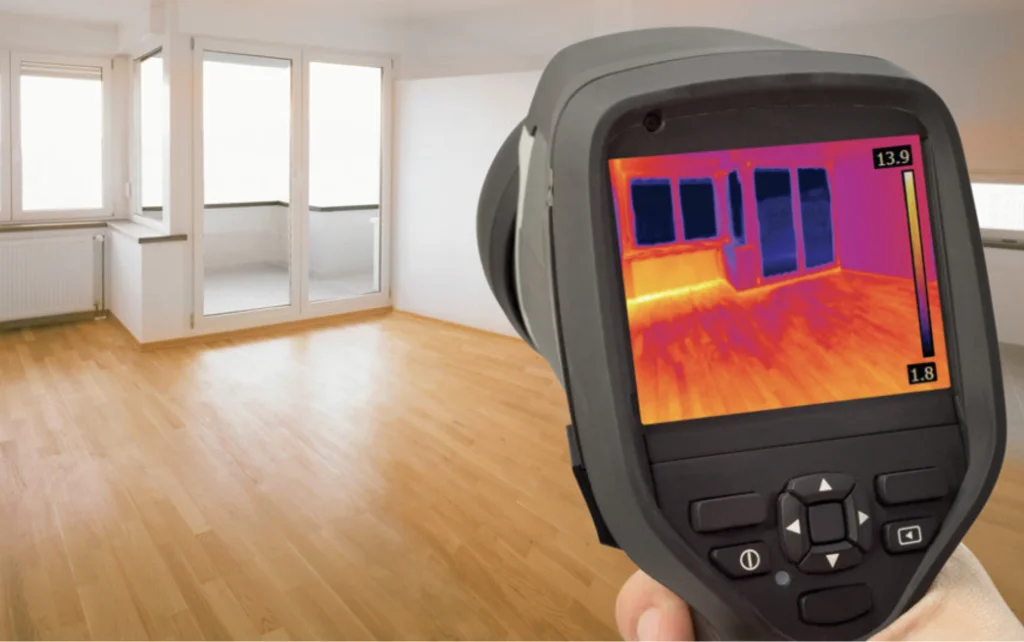
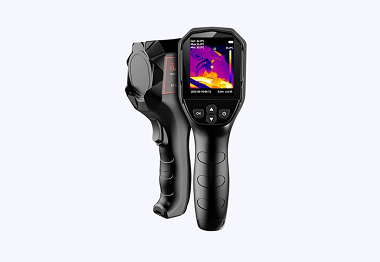
- Thermal camera scans showed normal thermal patterns across all living areas with no concealed water ingress.
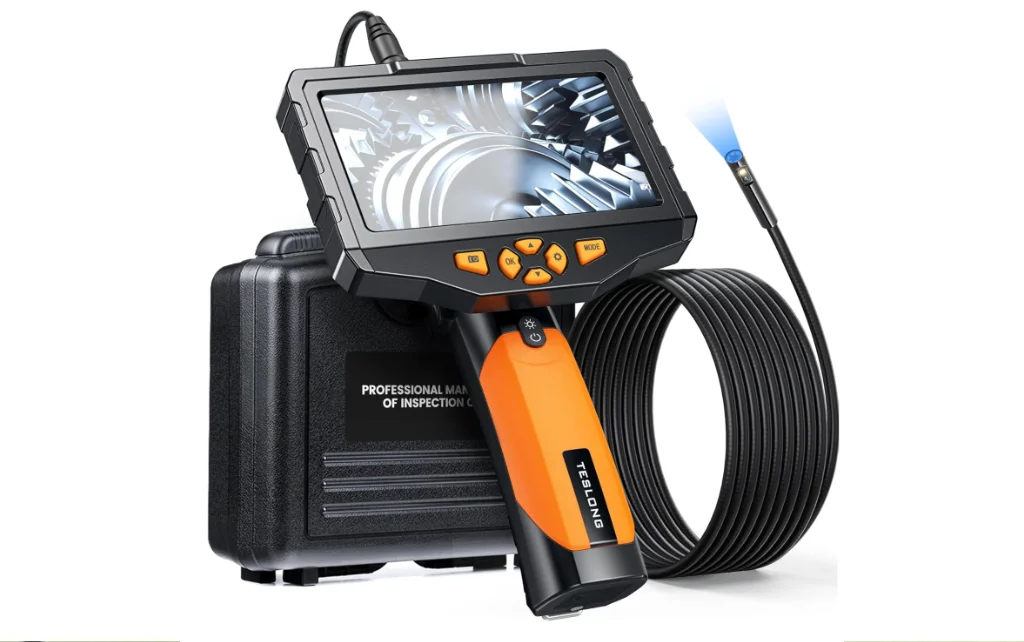
- Inspection of building timbers confirmed zero rot or woodworm, though the external timber decking in the rear garden was severely rotten and collapsing.
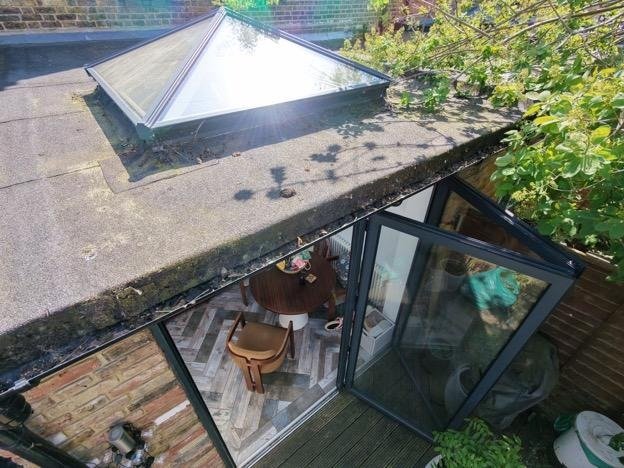
- Aerial drone photography pinpointed gutter debris accumulation and worn felt joints on the main ridge and rear flat roof.
The findings proved that internal ceiling marks were historic and dry, with active defects restricted to exterior maintenance items.
The Solution
To maintain the property’s watertight condition and eliminate outdoor hazards, the survey recommended the following sequence:
- Clean out accumulated debris from the rear guttering system.
- Reseal degraded felt joints along the main roof ridge and rear flat roof.
- Inspect and refresh perimeter seals around the kitchen skylights.
- Repair or replace non-operational extractor fans on the upper levels.
- Remove the rotten external timber decking and construct a solid concrete slab or flagstone terrace with suitable drainage.
The Outcome
The property owner achieved complete peace of mind knowing the house was structurally sound and internal pipework was leak-free. By following an independent diagnostic report, they saved money on unnecessary internal repairs, focusing exclusively on basic roof sealing and garden patio construction.
Why This Case Matters
Unbiased damp surveys separate actual building defects from historic water marks. Verifying that internal surfaces are dry prevents property owners from funding invasive internal plaster stripping when straightforward roof felt maintenance is all that is required.