An independent Level 1 damp survey was commissioned for a two-storey residential property in Bayswater (W2). The property owner arranged the inspection to establish a clear baseline of the building’s overall condition and verify whether any hidden damp defects existed. The goal was to secure an authoritative, unbiased health check of the structure before undertaking routine maintenance.
About the Issue
The homeowner noticed minor surface staining beneath a windowsill and felt uncertain about potential hidden leaks within the structure. Fearing that this stain might point to active water ingress, roof leaks, or underlying dampness within the walls, they requested a professional inspection to determine if remedial work was necessary.
The Challenge
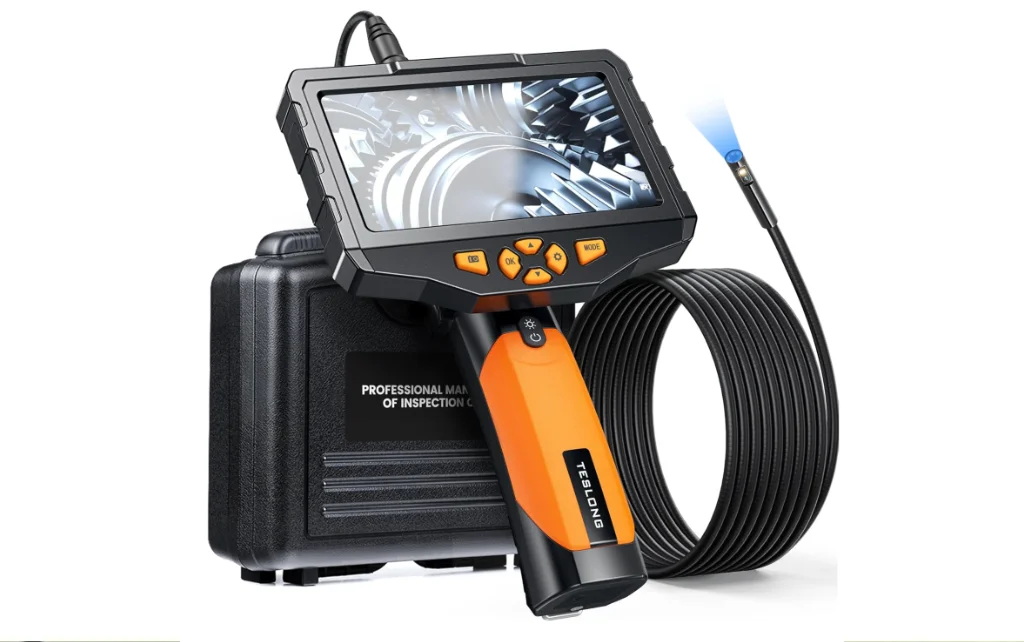
A Level 1 damp survey was undertaken to assess all accessible internal walls, ceilings, floors, external building elements, roof space and plumbing. The diagnostic assessment required systematically inspecting every structural component while distinguishing between active moisture problems and harmless historic markings.
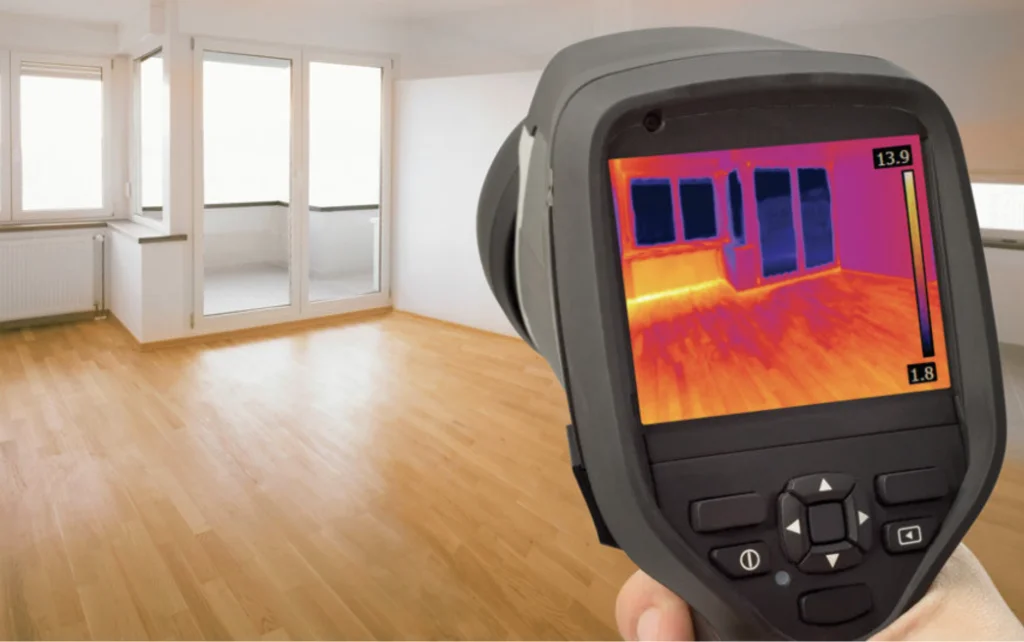
Testing and visual checks revealed key evidence across the property:
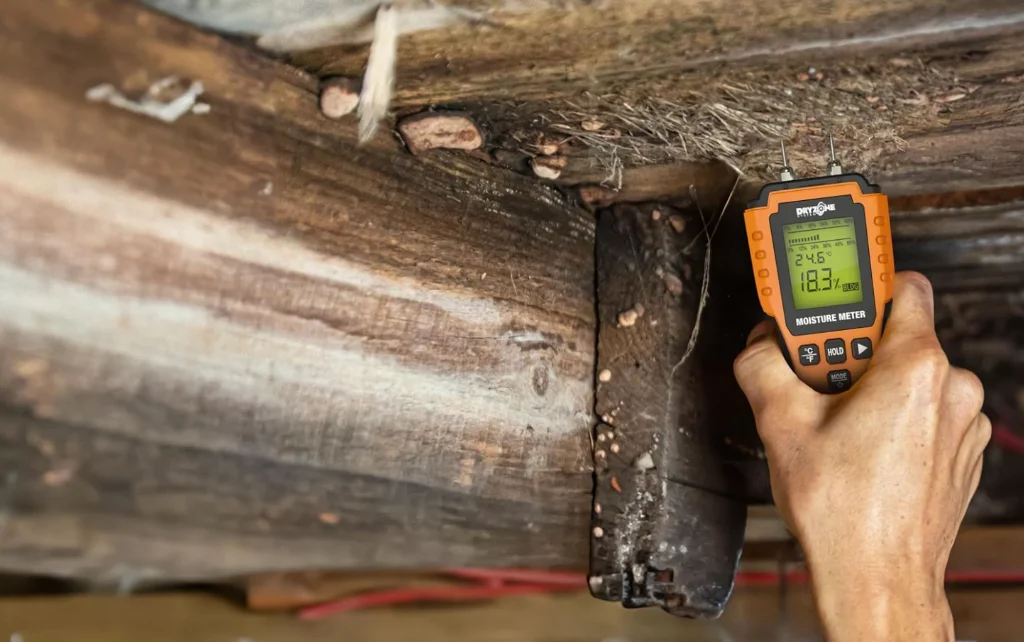
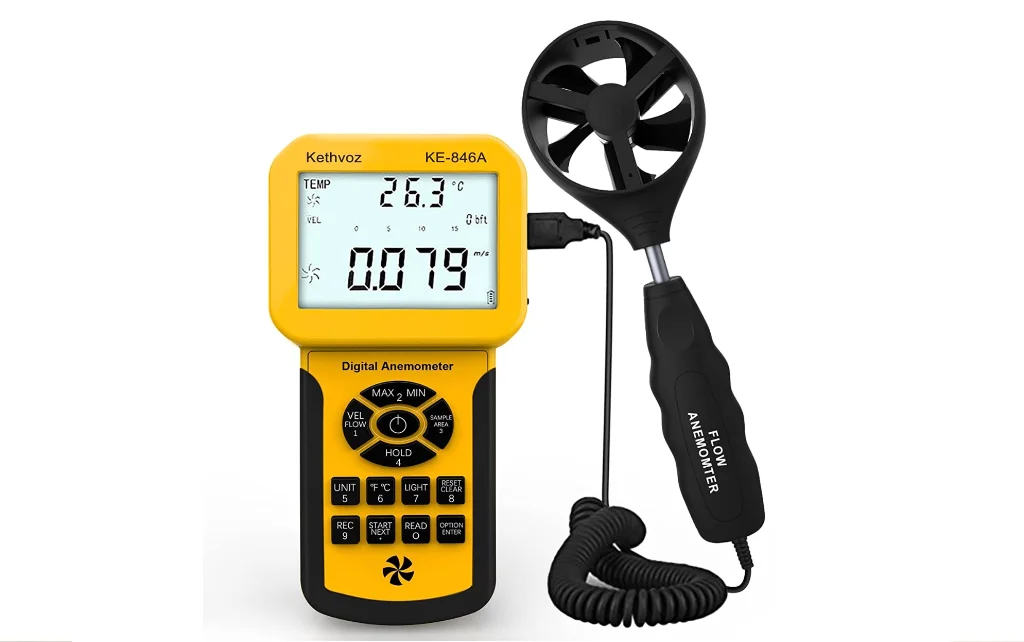
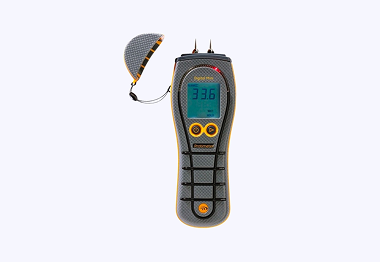
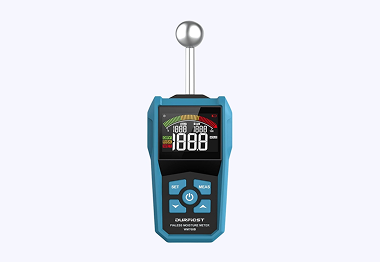
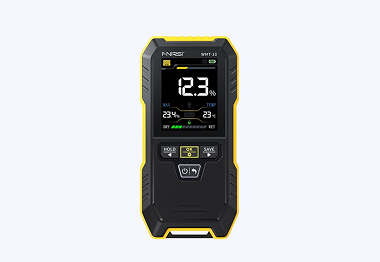
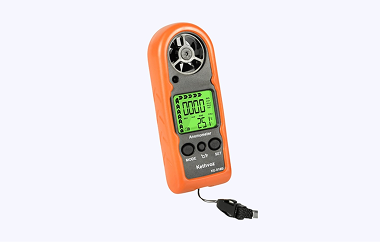
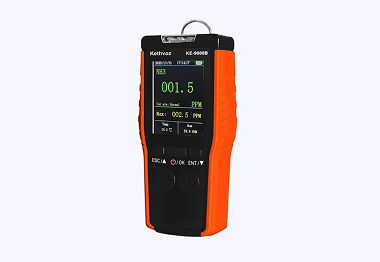
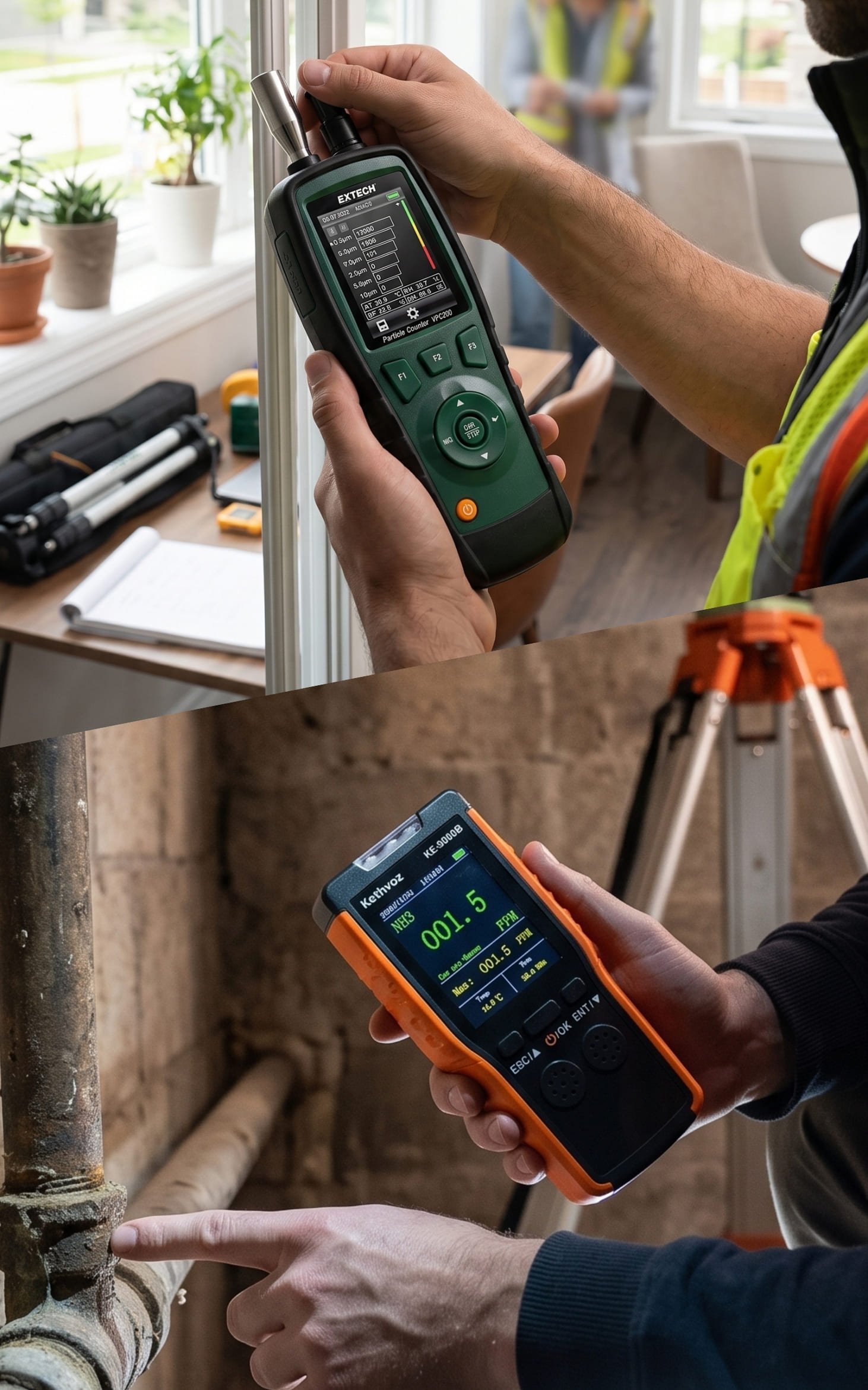
- Moisture meter testing across internal walls yielded readings averaging approximately 10%, confirming acceptable dry conditions throughout.
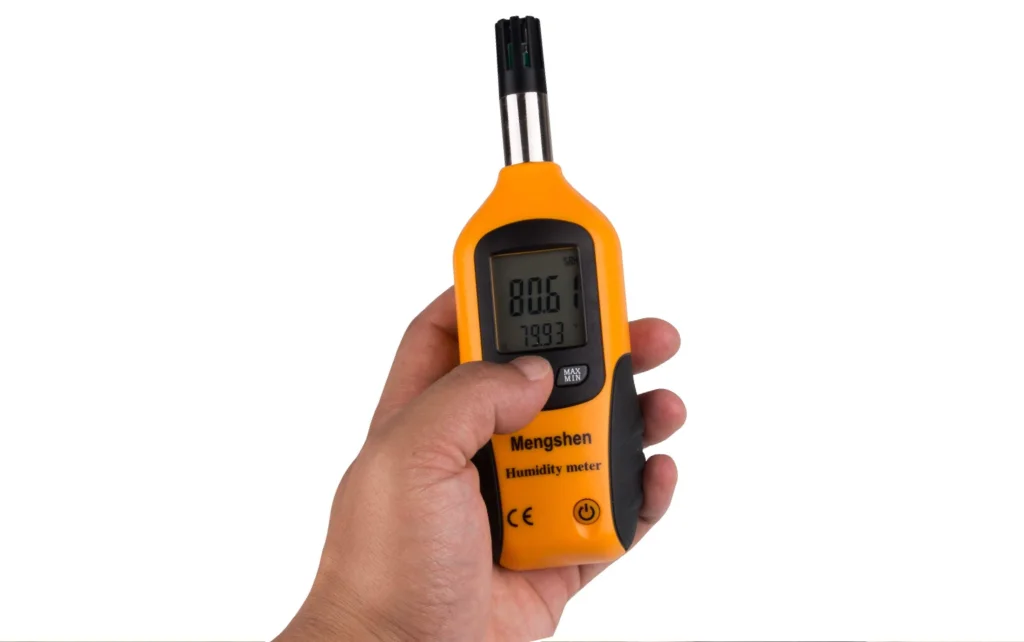
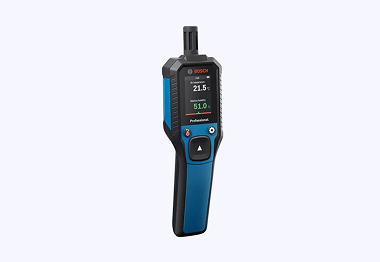
- Environmental readings recorded internal relative humidity at approximately 51%, maintaining a normal range that prevents condensation or mould growth.
- The minor water stain beneath the windowsill produced no elevated moisture readings, proving it was entirely historic and inactive.
- Inspections of accessible timbers confirmed zero evidence of dry rot, wet rot, or woodworm infestation, while plumbing checks showed no active leaks.
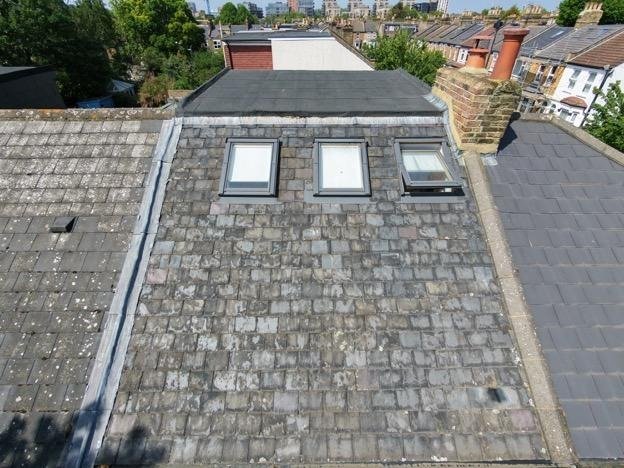
External checks showed the main roof structure to be watertight and adequately ventilated, though with expected deterioration of the roofing felt due to age. While no visible damp proof course (DPC) was identified, no rising damp was found internally. The uncapped chimney stack presented a pathway for potential rainwater entry and the rear flat roof exhibited surface staining from water pooling, though without any internal penetration.
The Solution
Because no active damp was present, no invasive damp proofing treatments were required. The survey recommended a simple preventative maintenance strategy:
- Install chimney caps on the uncapped chimney stack to prevent future rainwater ingress.
- Clean all guttering to maintain proper surface water drainage and prevent overflow.
- Monitor the rear flat roof pooling and improve drainage or falls if necessary over time.
- Carry out general roof maintenance as needed.
The Outcome
The property owner gained complete peace of mind with a clean bill of health regarding dampness across the building. By obtaining an objective evaluation, they avoided spending money on unnecessary damp proofing treatments or wall injections that aggressive sales contractors might have recommended for an inactive stain.
Why This Case Matters
A minor visual mark or an absent DPC can easily be misdiagnosed by uncertified inspectors as an active structural fault requiring thousands of pounds in chemical damp proofing. An independent diagnostic specialist assesses actual moisture readings and environmental conditions, saving property owners from paying for remedies to non-existent problems.