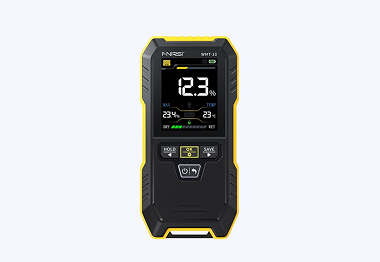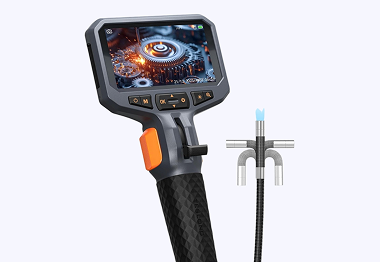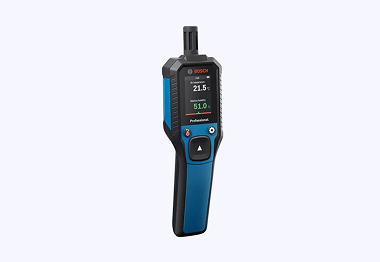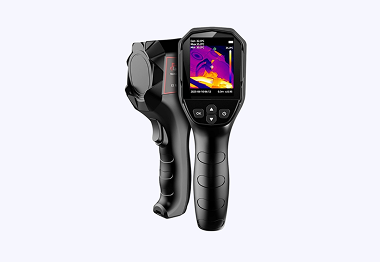
A Level 3 damp survey was executed on a terraced house in Bow (E3). The property owner instructed an independent diagnostic inspection to determine the root cause of high internal humidity and wall staining near the ground-floor bathroom. The objective was to obtain an impartial evaluation free from contractor sales pressure.
About the Issue
Discolouration around the ground-floor rear shower enclosure, mould patches in an upper bedroom and exterior paint flaking near the front bay window caused concern for the homeowner. They worried that the building suffered from widespread rising damp or roof failure that might require extensive tanking.
The Challenge
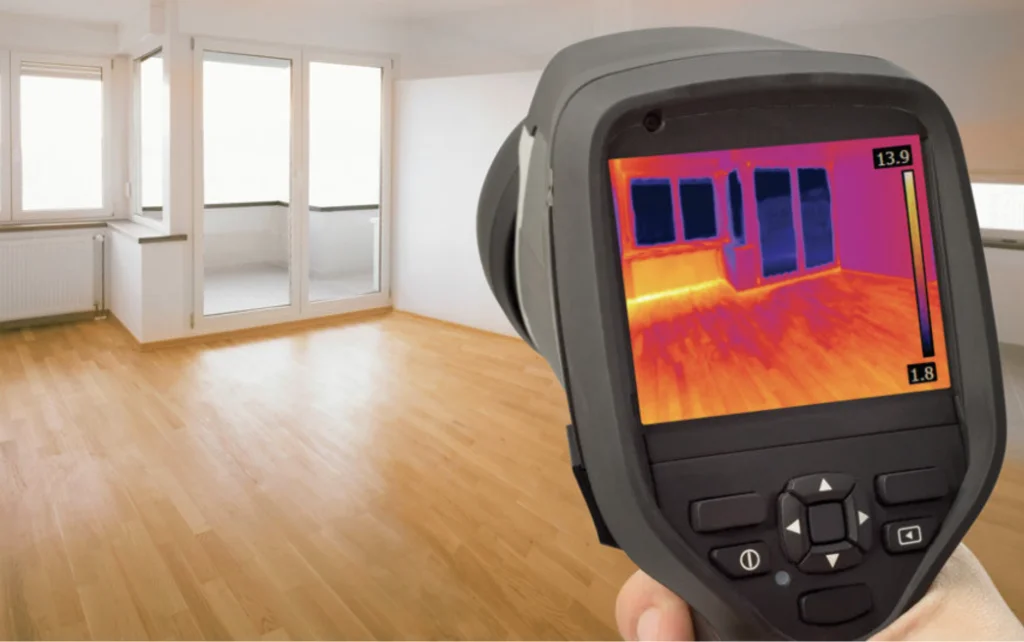
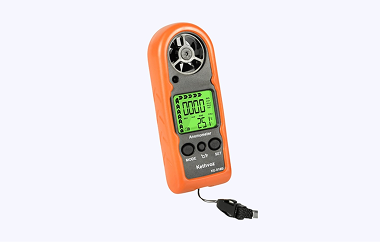
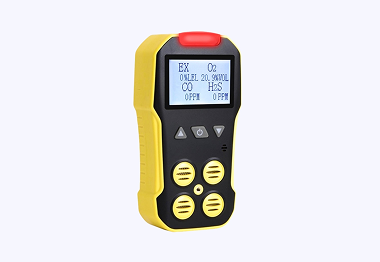
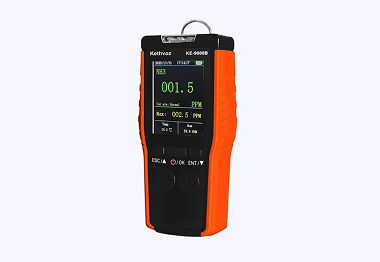
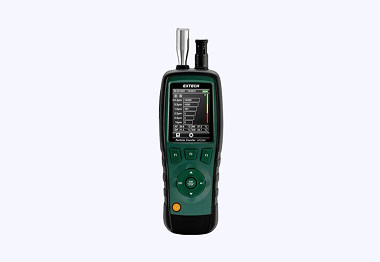
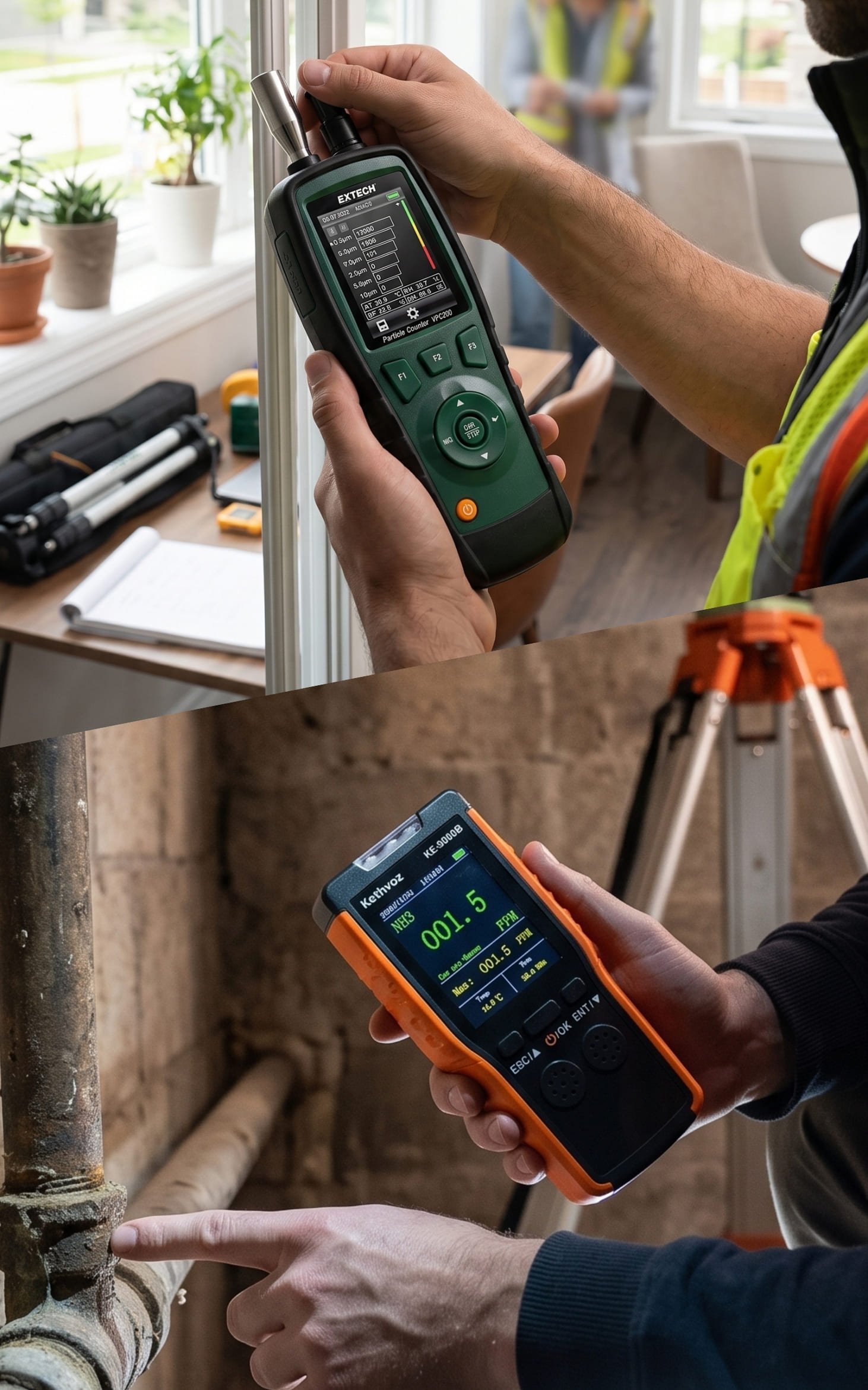
Executing the Level 3 survey involved testing internal walls across all floors, measuring ambient air humidity, checking basement surfaces and assessing high-level roof detailing.
The diagnostic investigation yielded key physical data:
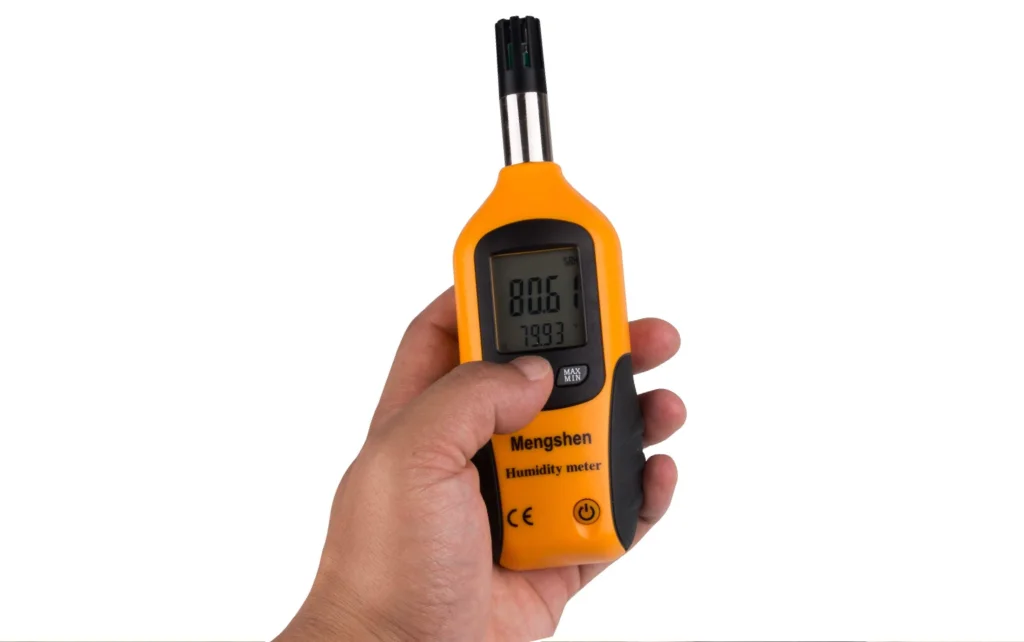
- Ambient relative humidity registered at an average of 61%, sitting above the ideal 50–55% threshold.
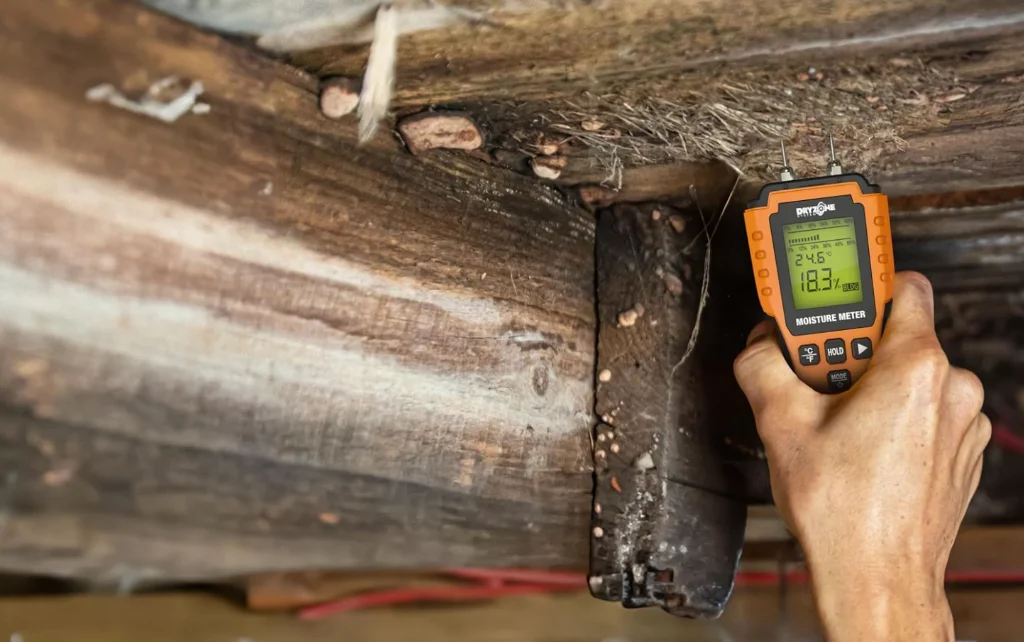
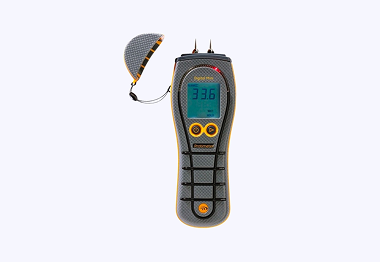
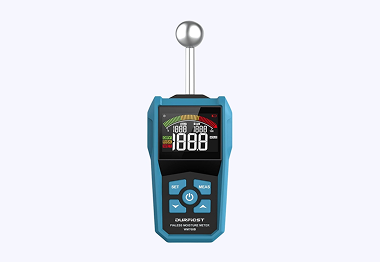
- Moisture testing in the ground-floor rear bathroom identified water escaping from defective shower seals, alongside rising damp on lower tiled wall sections pulling water from the floor.
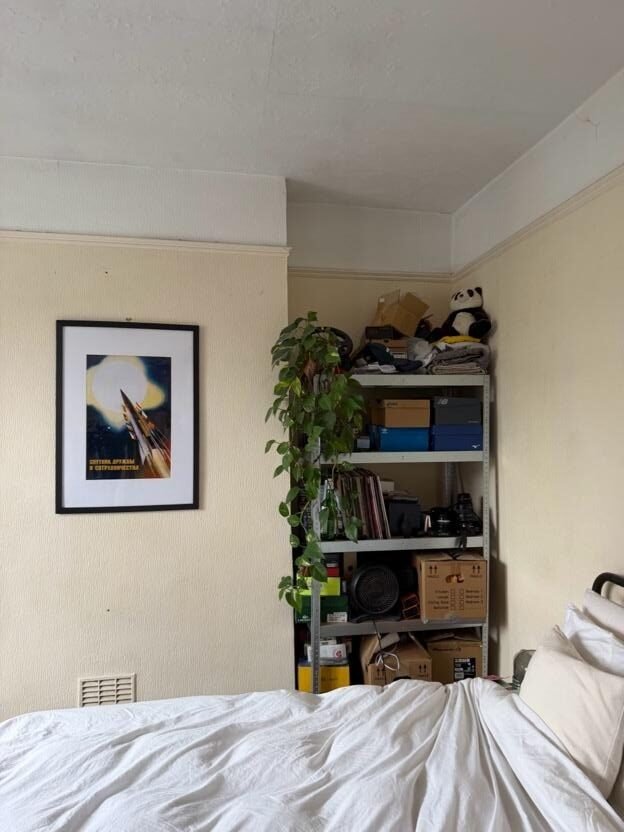
- Testing in the upstairs drying room recorded dry wall masonry behind visible mould, isolating the issue to surface condensation driven by indoor laundry drying.
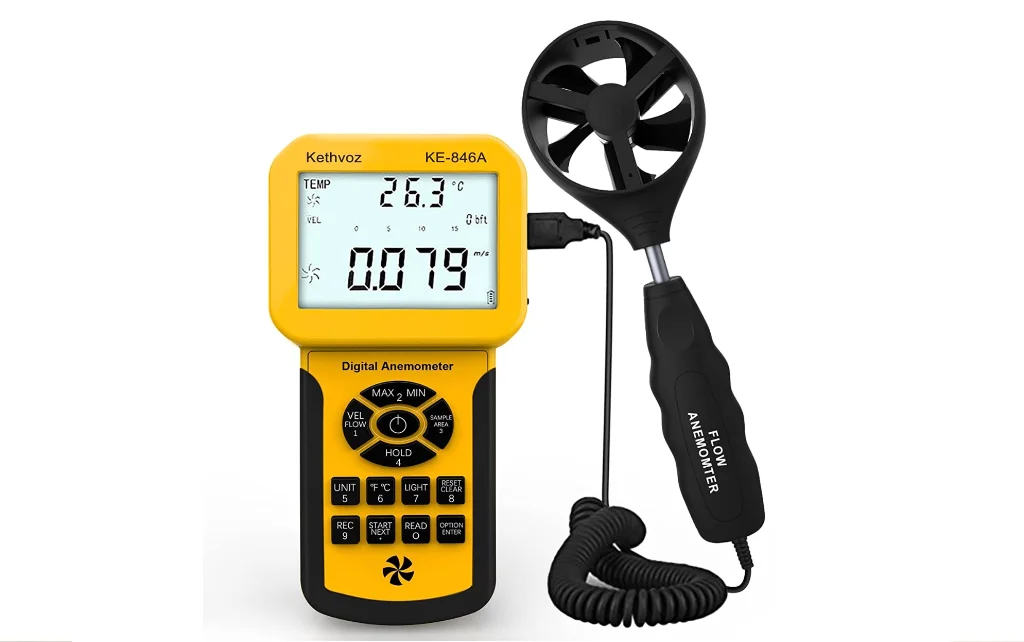
- Functional testing verified that all extractor fans were operational and achieving adequate airflow.
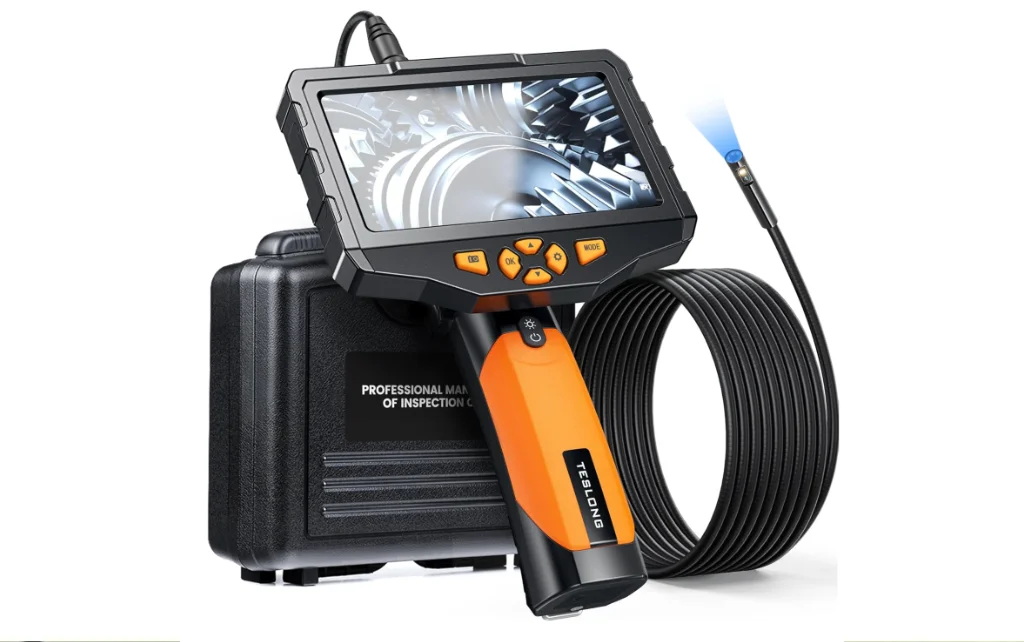
- Inspection of the basement confirmed floor and wall dampness consistent with original un-waterproofed terraced construction, suitable for storage but requiring an estimated £50,000 cavity membrane drainage system, sump pump and tanking finishes for habitable use.
External inspection confirmed that the main roof was sound despite tile moss, but the upper parapet wall suffered from penetrating damp due to missing weather protection. External paint peeling on the front bay, upper windows and front door was attributed to weathering rather than active damp ingress. Accessible structural timbers, brickwork and the damp proof course were all verified in good condition with zero woodworm or rot.
The Solution
The report detailed a focused action plan to address exterior weatherproofing and localised moisture defects:
- Install metal flashing over the top of the roof parapet wall to prevent rainwater penetration.
- Undertake full external redecoration across exposed masonry and window joinery.
- Reseal the shower enclosure in the ground-floor rear bathroom and apply a waterproof render/plaster system to lower tiled walls affected by rising damp.
- Lower internal humidity to approximately 50% using a dehumidifier and avoiding unvented indoor clothes drying.
- Leave the basement as a storage zone unless undertaking a full £50,000 habitable conversion with a cavity membrane and sump pump.
The Outcome
The survey gave the property owner absolute certainty regarding their building’s health. Armed with independent findings, they avoided unnecessary damp proofing across dry living areas, focusing budget strictly on fixing the shower enclosure, capping the parapet wall and managing internal humidity.
Why This Case Matters
Localised shower seal failures can mimic rising damp on bathroom walls, leading to incorrect building specifications. Independent damp specialists use targeted diagnostics to separate plumbing leaks and rising capillary moisture from general structural health, protecting property owners from over-engineered contractor quotes.